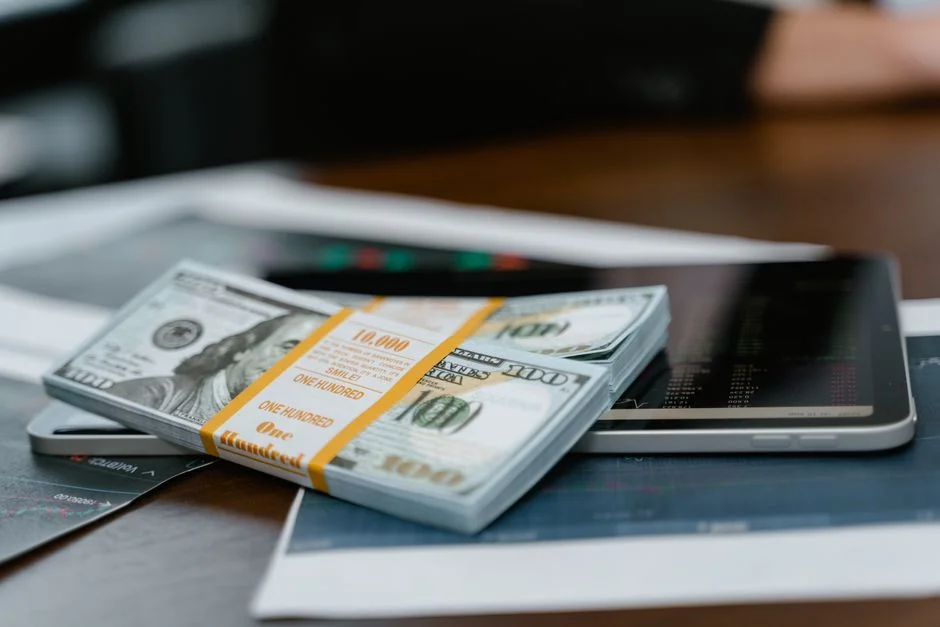
Apple has increased prices on some of its products by nearly 20%, marking one of the most aggressive pricing moves in the company's recent history. The announcement comes as Xbox also confirmed it is raising the cost of its gaming consoles, adding to mounting concerns that consumer electronics prices are climbing faster than many households can absorb.
The Scope of Apple's Price Increases
The price adjustments affect select Apple products across multiple categories. The company, headquartered in Cupertino, California, implemented the changes in recent weeks, though Apple has not disclosed exactly which models saw the steepest increases. Industry analysts estimate the increases range from 10% to nearly 20% depending on the product line, with premium devices bearing the largest jumps.
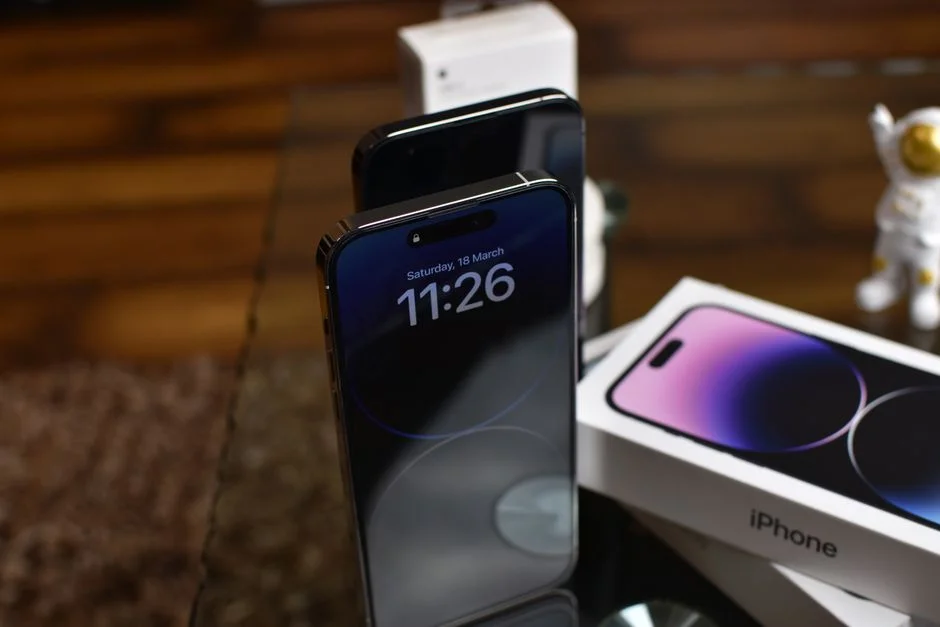
Apple has historically demonstrated strong pricing power. The company can raise prices without triggering the same consumer backlash that might hurt competitors, largely because of the tight integration between its hardware, software, and services ecosystem. iPhone users, for instance, often remain within the Apple ecosystem due to the friction involved in switching to Android, making them more tolerant of price hikes.
Xbox Enters the Price Increase Arena
Microsoft's Xbox division confirmed it is raising the cost of its gaming consoles. The move represents a significant shift for a company that has long competed aggressively on price in the gaming hardware market. Xbox has traditionally positioned itself as the more affordable option compared to Sony's PlayStation, but the new pricing brings its flagship console closer to parity with competitors.
The gaming industry has faced sustained cost pressures from supply chain disruptions, semiconductor shortages, and rising development expenses for next-generation games. These factors have forced multiple hardware makers to reconsider their pricing strategies over the past several years.
Why Both Moves Matter for the Broader Market
Together, the decisions by two major technology brands send a signal about the direction of consumer electronics pricing. Apple and Xbox together represent billions of dollars in annual consumer spending. When these companies move, competitors often follow.
Investors are watching closely. Price increases can protect profit margins during periods of inflation, which is why Apple shares have held relatively steady despite broader market volatility. For Xbox and Microsoft, the calculus differs slightly. Gaming is a key growth pillar for Microsoft, and hardware pricing affects not just console sales but also the subscriber base for Game Pass, the company's subscription service.
Economic Context and Consumer Impact
The timing of these increases coincides with persistent inflation in the United States, where consumer prices have risen substantially since 2022. While inflation has cooled from its peak, everyday purchases remain significantly more expensive than they were a few years ago. Households are increasingly selective about discretionary spending, and consumer electronics sit squarely in that category.
Apple's decision to raise prices suggests the company believes its customers can absorb higher costs without meaningfully reducing demand. The strategy carries risks. If consumers begin to delay upgrades or shift toward older, cheaper models, Apple's revenue growth could suffer. Analysts will be monitoring iPhone and Mac sales figures in the coming quarters to assess whether the price increases have dented demand.
Competitive and Market Implications
The gaming console market is particularly sensitive to pricing shifts. Sony's PlayStation and Nintendo's Switch compete directly with Xbox, and any price advantage can sway purchasing decisions for millions of consumers. If Xbox prices approach Sony's territory, some gamers may reconsider which ecosystem to join.
Apple faces a different competitive dynamic. In smartphones and tablets, it competes primarily with Android devices across a wide price range. Apple has increasingly positioned itself as a premium-only brand, effectively ignoring the budget segment. This strategy works as long as consumers perceive Apple products as worth the premium. The latest price hikes test that assumption.
What Comes Next
Apple typically holds its Worldwide Developers Conference each June, where new software and occasionally hardware take centre stage. Investors will be watching for any signals about future pricing strategy. Xbox has not announced a specific timeline for when the new console prices take effect, but the changes are expected within the current quarter.
The next few months will reveal whether these price increases stick. If consumer demand drops sharply, both companies have room to reverse course. For now, both Apple and Microsoft appear willing to risk some volume loss in exchange for higher per-unit revenue. That trade-off will depend entirely on how price-sensitive their respective customer bases turn out to be.
Market observers expect more clarity once holiday-quarter sales data becomes available. Until then, investors and consumers alike should watch whether these price increases hold or face pushback in an economy where many households are already stretched thin.
See Also
- Apple Sets $95 Payout for iPhone Buyers in AI Lawsuit
- Limpopo Leader Slams Court Bid as Conference Proceeds
Analysts will be monitoring iPhone and Mac sales figures in the coming quarters to assess whether the price increases have dented demand.Competitive and Market ImplicationsThe gaming console market is particularly sensitive to pricing shifts. Xbox has not announced a specific timeline for when the new console prices take effect, but the changes are expected within the current quarter.The next few months will reveal whether these price increases stick.
What is the latest news about apple raises some prices by nearly 20 xbox follows with console hike?
Why does this matter for telecommunications?
What are the key facts about apple raises some prices by nearly 20 xbox follows with console hike?