On a sun-baked field outside Kyiv, the whine of racing drones filled the air as families settled in with plates of grilled meat and cold drinks. The event, simply named after its own invitation, drew hundreds of spectators over the weekend to watch pilots navigate courses at speeds exceeding 100 miles per hour, according to local media reports.
A Hobby Grows Into Something Larger
Drone racing started as a niche pastime in Ukraine a decade ago. Today it has attracted serious investment from technology companies and defence contractors who view the sport as a testing ground for next-generation autonomous aircraft. Competitors at the Kyiv event ranged from teenage hobbyists to engineers working on commercial delivery drones.
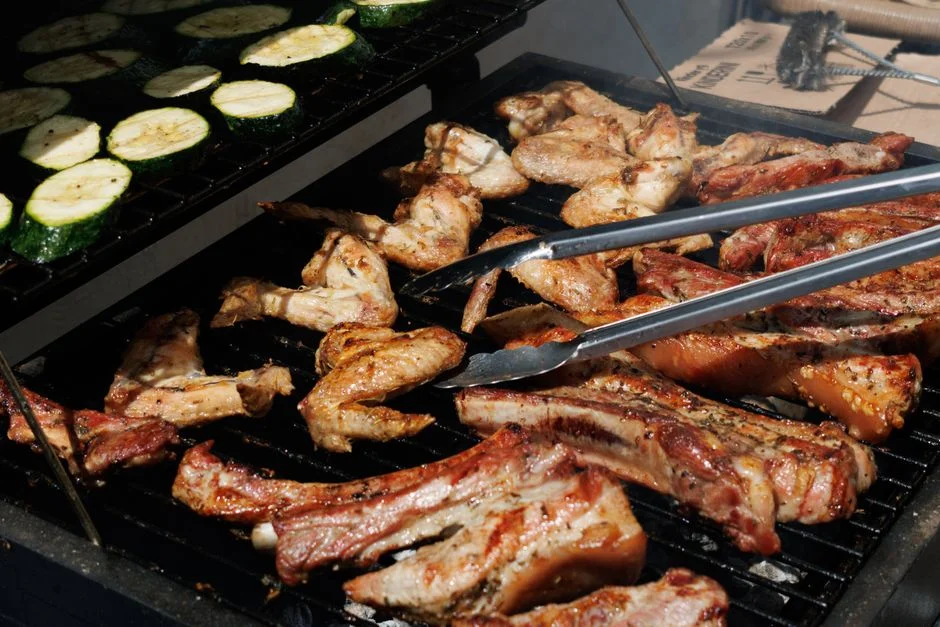
The barbecue and family atmosphere masked a more serious purpose. Several teams used the races to trial new software under real-world conditions. Cameras and sensors mounted on the craft gathered flight data that engineers later analyzed in nearby tents turned into makeshift workshops.
Why Businesses Are Watching
The commercial drone market in Eastern Europe is projected to reach $2.4 billion by 2027, according to industry forecasts. Ukrainian firms are positioning themselves to capture a share of that growth, and the racing community has become an unexpected talent pipeline. Graduates of the hobby have moved into roles at aerospace companies and robotics startups across the region.
Organisers of the Kyiv event said they deliberately kept admission free and offered discounted food to attract a broad crowd. "We want people to see this as something normal, something fun," one of the event coordinators told local media. The strategy appears to be working. Among the crowd, children as young as six wore goggles to experience first-person view flights on simulators set up beside the main course.
Skills That Translate to the Commercial Sector
Pilots at the races demonstrated abilities that have direct applications beyond recreation. Precise manual control, rapid decision-making under pressure, and understanding of aerodynamics all feature in both racing and commercial drone operations. Several companies have begun sponsoring racers in exchange for access to their development teams.
The defence angle adds another layer of economic interest. Ukraine has developed one of the world's most active drone industries in response to recent conflicts, and many racing techniques have crossover value for reconnaissance and logistics applications. Investment flowing into drone technology has created demand for skilled workers, and the racing community offers a training ground that requires minimal government funding.
The Food and Beverage Side
Barbecue vendors at the event represented a different kind of local economy. Family-run grill operations served traditional Ukrainian dishes alongside more standard fare. The arrangement provided income for small caterers while keeping costs low for attendees. Such partnerships between tech events and local food businesses have become common in Kyiv, where organisers often rely on community vendors rather than national chains.
What Comes Next
Organisers announced plans to expand the event next year, adding a second track and inviting competitors from neighbouring countries. If the schedule holds, the 2025 edition could draw more than two thousand participants and spectators combined, according to early registration figures.
Investors and corporate scouts are expected to attend future events more formally. Several drone manufacturers have already begun discussions about using the races as recruitment venues, a sign that the hobby is increasingly seen as an industrial pipeline rather than mere entertainment.
Economic Stakes for Ukraine
The country needs new industries that can generate exports and skilled employment. Drone technology, with its relatively low entry costs and high growth potential, fits that requirement. Racing events like this one serve a dual purpose: they build public enthusiasm for drones while simultaneously functioning as informal talent scouts and product demonstrations.
Whether the weekend gatherings will translate into lasting commercial success remains to be seen. But for now, the drones keep flying, the grills keep smoking, and a growing community of pilots, engineers, and families keeps showing up to see what this technology can do.
See Also
- Arteta's Bold Move Shakes Up LaLiga's Dynamics
- Google Overhauls AI Overviews to Boost Market Competition