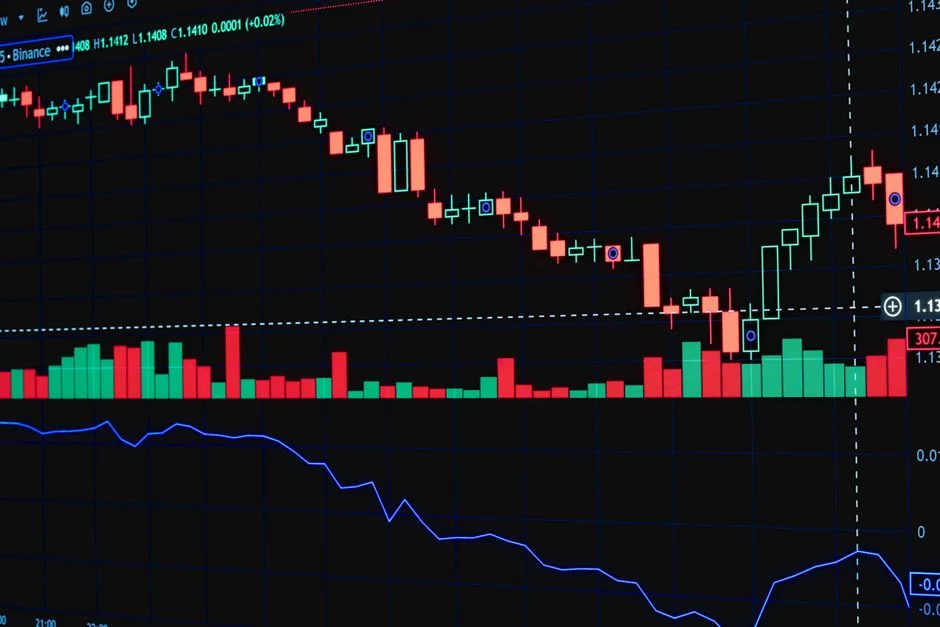
The Tehran Stock Exchange reopened its doors today, marking the end of an unprecedented 80-day trading hiatus triggered by the intensifying conflict between Iran, the United States, and Israel. This strategic pause, initiated to manage volatility and preserve liquidity, has concluded with a decisive move to reintegrate Iranian equities into the global investment narrative. Market participants in Tehran are closely monitoring the opening bell to gauge the resilience of the Iranian economy amidst ongoing geopolitical friction.
Market Mechanics of the Reopening
The decision to halt trading for nearly three months was a rare administrative maneuver by the Tehran Stock Exchange (TSE) to prevent a panic-driven sell-off. During the closure, the price-to-earnings ratios of key industrial and petrochemical firms remained frozen, creating a snapshot of value that is now being stress-tested. Investors are eager to see if the underlying fundamentals of major companies have withstood the pressure of supply chain disruptions and currency fluctuations.
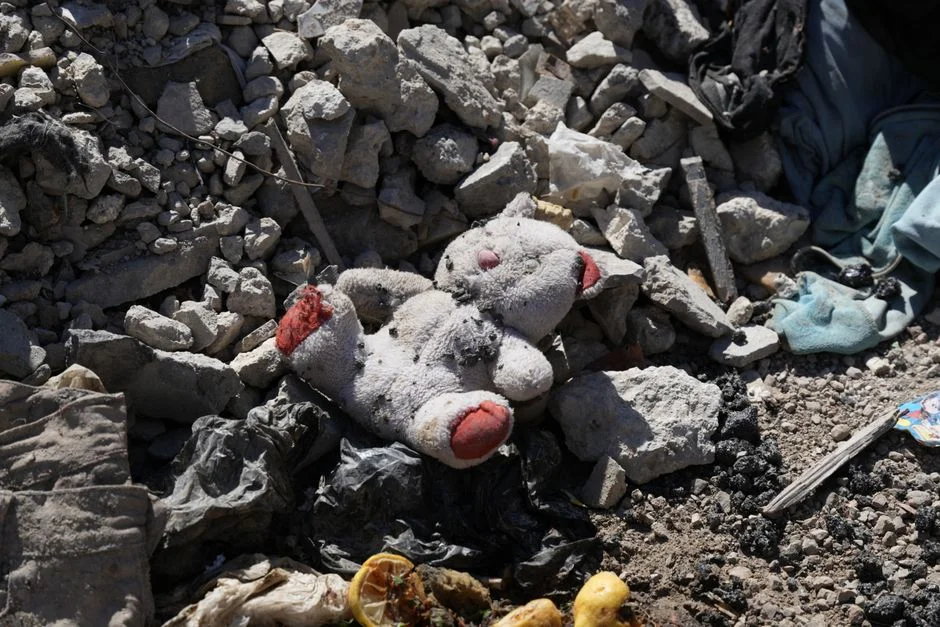
Trading volumes are expected to be initially thin as institutional investors adopt a wait-and-see approach. The TSE has implemented circuit breakers to manage potential volatility, ensuring that no single stock can swing more than 10% in a single session without a temporary pause. These mechanisms are designed to restore confidence and prevent the erratic price action that often characterizes emerging markets during periods of geopolitical uncertainty.
The reopening also signals a broader economic strategy by Iranian authorities to stabilize the Rial. By allowing capital to flow back into the equity market, the government hopes to draw in foreign direct investment and domestic savings that had been parked in gold or US dollars. This liquidity injection is crucial for funding corporate expansion and maintaining operational efficiency in key sectors.
Geopolitical Tensions and Economic Ripple Effects
The conflict involving Iran, Israel, and the United States has created a complex web of economic dependencies and vulnerabilities. Markets are sensitive to news from the region, with every diplomatic statement or military maneuver causing ripples in global commodity prices. The war has not only disrupted local trade routes but has also influenced how international investors perceive risk in the broader Middle Eastern economic zone.
Impact on Regional Trade Corridors
The strategic location of Iran means that any conflict in the region directly affects the flow of goods through the Persian Gulf and the Caspian Sea. Shipping insurance premiums have risen, and logistics companies are rerouting vessels to avoid potential hotspots. This increases the cost of imports and exports for neighboring countries, creating inflationary pressures that extend beyond Iran’s borders. Businesses in the Gulf Cooperation Council (GCC) states are feeling the pinch as supply chains become less predictable and more expensive.
For the United States, the situation presents both challenges and opportunities. American energy markets are watching the Persian Gulf closely, as any disruption to oil flows can lead to a spike in crude prices. This directly impacts consumer spending power and inflation rates in the US, influencing Federal Reserve monetary policy decisions. The interconnectedness of the global economy means that a conflict in Tehran can have tangible effects on gas prices in New York and manufacturing costs in Detroit.
Investor Sentiment and Capital Flows
Institutional investors are re-evaluating their exposure to Iranian assets, balancing the high yield potential against the elevated geopolitical risk. The 80-day closure acted as a circuit breaker for sentiment, allowing emotions to cool and data to accumulate. Now, the focus is on whether the market can sustain the gains seen in the opening sessions or if a correction is imminent. This uncertainty is driving a cautious approach, with many funds opting to increase their cash reserves before committing to larger equity positions.
Retail investors in Tehran are showing renewed interest in the market, driven by the desire to protect their savings from inflation. The Rial has faced significant pressure, and equities are often seen as a hedge against currency devaluation. This domestic demand provides a floor for stock prices, supporting the market even when foreign investors remain on the sidelines. The interplay between local and foreign capital will be a key determinant of the market’s trajectory in the coming weeks.
The role of sovereign wealth funds is also coming into focus. These funds are looking for opportunities to acquire undervalued assets while other investors are hesitant. Their long-term horizon allows them to absorb short-term volatility, potentially stabilizing the market. Their moves are closely watched as indicators of confidence in the Iranian economy’s long-term prospects.
Corporate Earnings and Sector Performance
Petrochemicals and automotive sectors are expected to lead the reopening rally, given their export orientation and sensitivity to oil prices. Companies in these sectors have benefited from the recent surge in crude prices, which has boosted their profit margins. However, they also face challenges related to supply chain disruptions and the cost of raw materials. The performance of these key sectors will set the tone for the broader market.
The technology and telecommunications sectors are also in the spotlight, as they represent the modernizing face of the Iranian economy. These companies are less dependent on oil revenues and more reliant on domestic consumption and regional exports. Their performance will provide insights into the health of the Iranian middle class and the resilience of local demand. Investors are looking for signs of growth in these sectors to justify higher valuations.
Small and medium-sized enterprises (SMEs) face unique challenges, including access to credit and the cost of imports. The reopening of the stock market offers these companies a potential avenue for raising capital, but they must convince investors of their stability and growth potential. The performance of SMEs will be a test of the market’s depth and its ability to support a diverse range of businesses.
Financial Sector Resilience
Banks and financial institutions are navigating a complex environment, balancing the need for liquidity with the pressure of non-performing loans. The war has affected the creditworthiness of some borrowers, leading to a rise in defaults. Banks are responding by tightening lending criteria and increasing provisions for bad debts. This cautious approach is aimed at preserving capital and ensuring stability in the financial system.
Insurance companies are also feeling the impact of the conflict, with claims related to logistics and trade disruptions rising. This is putting pressure on their profit margins and forcing them to adjust their pricing strategies. The financial sector’s ability to adapt to these challenges will be crucial for the overall health of the economy.
Global Market Implications
The reopening of the Iranian market has implications for global investors, particularly those with exposure to emerging markets. It serves as a case study in how geopolitical events can disrupt financial flows and alter investment strategies. The performance of the Tehran Stock Exchange will be watched by investors in Asia, Europe, and the Americas, as it provides a barometer for risk appetite in the region. This global attention underscores the interconnected nature of modern financial markets.
Commodity markets are also reacting to the developments in Iran. Oil prices, in particular, are sensitive to news from the Persian Gulf, as any disruption to supply can lead to a price spike. This has implications for energy companies worldwide, as well as for consumers who face higher fuel costs. The interplay between geopolitical events and commodity prices is a key factor to monitor for investors and policymakers alike.
The currency markets are also in focus, with the Rial’s performance being a key indicator of economic stability. A strong Rial can attract foreign investment, while a weak Rial can lead to capital flight. The central bank’s monetary policy decisions will be crucial in managing the currency’s value and maintaining confidence in the economy. This dynamic is closely watched by economists and investors around the world.
Regulatory Framework and Future Outlook
The Tehran Stock Exchange is implementing new regulatory measures to enhance transparency and investor protection. These include stricter disclosure requirements for listed companies and improved governance standards. These reforms are aimed at attracting long-term investors and building trust in the market. The success of these initiatives will depend on consistent enforcement and the ability to adapt to changing market conditions.
Looking ahead, the market will face several key tests. The ability to maintain liquidity and manage volatility will be crucial for sustaining investor confidence. The performance of key sectors will provide insights into the health of the economy and the effectiveness of government policies. The global economic environment, including interest rates and trade dynamics, will also play a significant role in shaping the market’s trajectory.
Investors should monitor the upcoming quarterly earnings reports for major Iranian companies, which will provide detailed insights into the impact of the war on corporate profits. These reports will be critical in determining the sustainability of the current market rally. Additionally, diplomatic developments between Iran, the United States, and Israel will continue to influence market sentiment, making geopolitical news a key factor for investors to watch. The next few weeks will be pivotal in establishing the new normal for the Tehran Stock Exchange.
See Also
- Nara Lokesh Leverages Technology to Transform Mahanadu Experience for Businesses
- Delhi Braces for Rain as Satellite Imagery Reveals Massive Cloud Belt Over India
The currency markets are also in focus, with the Rial’s performance being a key indicator of economic stability. Investors should monitor the upcoming quarterly earnings reports for major Iranian companies, which will provide detailed insights into the impact of the war on corporate profits.