Blockchain technology has moved beyond the hype cycle to become a structural force in the global economy. This decentralized ledger system is reshaping how value is stored, transferred, and verified across industries. Investors and businesses are no longer asking if blockchain matters, but how quickly they must adapt to survive.
The Economic Foundation of Decentralization
At its core, blockchain is a shared, immutable ledger that facilitates the process of recording transactions and managing assets in a business network. Unlike traditional databases, no single party controls the record. This structure reduces the need for intermediaries, which can lower costs and increase speed for transactions.
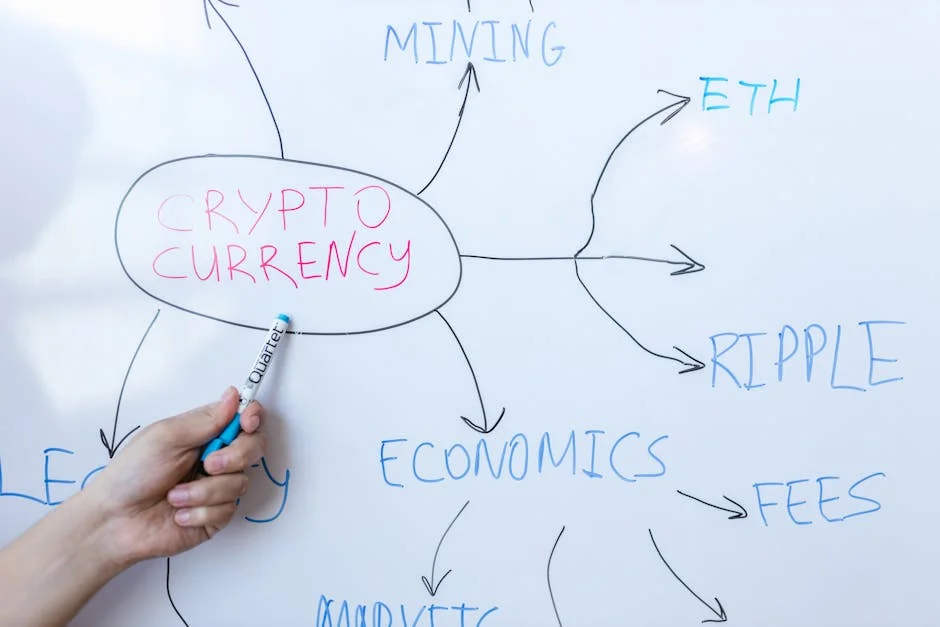
The economic implications are profound for sectors reliant on trust and verification. Financial institutions in New York and London are integrating distributed ledger technology to streamline clearing and settlement processes. This shift promises to reduce the days-long wait times for international wire transfers to near-instantaneous completion.
However, the technology is not a panacea. Implementation costs remain high, and the energy consumption of certain consensus mechanisms has drawn scrutiny from environmental regulators. Businesses must weigh the upfront capital expenditure against the long-term operational savings to determine the true return on investment.
Financial Markets and Investment Flows
The financial sector has been the most aggressive adopter of blockchain innovation. Cryptocurrencies like Bitcoin and Ethereum have created a new asset class that attracts both retail and institutional investors. The total market capitalization of digital assets has fluctuated wildly, often reacting to macroeconomic indicators such as interest rate changes and inflation data.
Institutional adoption is accelerating. Major asset managers have launched exchange-traded funds (ETFs) that track the performance of leading cryptocurrencies. This provides traditional investors with a regulated vehicle to gain exposure to the digital asset market without holding the underlying tokens directly. The influx of institutional capital has added a layer of stability to what was once considered a volatile frontier market.
Decentralized Finance Disrupts Traditional Banking
Decentralized finance (DeFi) platforms are challenging the dominance of traditional banks by offering lending, borrowing, and trading services without a central authority. These platforms use smart contracts—self-executing contracts with the terms directly written into code—to automate processes. This reduces counterparty risk and opens up financial services to the unbanked population in emerging markets.
Yet, the DeFi sector faces significant regulatory hurdles. Regulators in the United States and the European Union are scrutinizing the stability of these platforms. The collapse of several high-profile DeFi protocols in recent years has highlighted the risks associated with smart contract bugs and liquidity crunches. Investors must exercise due diligence to understand the underlying mechanics before committing capital.
Supply Chain Transparency and Efficiency
Beyond finance, blockchain is revolutionizing supply chain management. Companies like Walmart and Maersk are using the technology to track goods from origin to consumer. This transparency helps to combat counterfeiting, reduce waste, and improve inventory management. For consumers, it provides a verifiable story behind the products they purchase.
The ability to trace the provenance of goods is particularly valuable in the food and pharmaceutical industries. In the event of a contamination outbreak, blockchain can pinpoint the source within seconds rather than days. This speed can save lives and minimize financial losses for retailers and manufacturers. The technology enables a level of accountability that was previously difficult to achieve in complex global supply networks.
However, the success of blockchain in supply chains depends on data integrity at the source. If the initial data entry is flawed, the entire chain of trust is compromised. This requires collaboration among competitors and stakeholders to establish common standards and data formats. The integration of Internet of Things (IoT) sensors with blockchain ledgers is one solution to automate data capture and reduce human error.
Regulatory Landscape and Policy Responses
Regulators worldwide are grappling with how to classify and regulate blockchain assets. The lack of a unified global framework creates uncertainty for businesses operating across borders. In the United States, the Securities and Exchange Commission (SEC) has taken an aggressive stance, classifying many tokens as securities. This classification subjects issuers to strict disclosure requirements and trading rules.
Other jurisdictions are adopting more nuanced approaches. The European Union’s Markets in Crypto-Assets (MiCA) regulation aims to create a harmonized regulatory environment for crypto assets. This could provide greater legal certainty for businesses and investors. In Asia, countries like Singapore and Japan have emerged as friendly hubs for blockchain innovation, attracting startups and established firms alike.
The regulatory response will significantly influence the pace of adoption. Clear rules can encourage investment and innovation, while overly burdensome regulations can stifle growth. Policymakers must balance the need for consumer protection with the desire to foster a dynamic digital economy. The outcome of these regulatory battles will shape the future structure of global financial markets.
Technological Challenges and Scalability
Despite its promise, blockchain technology faces several technical challenges. Scalability remains a critical issue for many networks. As the number of transactions increases, the speed and cost of processing can become bottlenecks. Solutions like sharding and layer-two protocols are being developed to address these limitations and improve throughput.
Interoperability is another key challenge. Currently, many blockchain networks operate as silos, making it difficult for assets and data to flow seamlessly between them. Cross-chain bridges and interoperability protocols are emerging to connect these networks. This will enable a more cohesive and efficient digital ecosystem, allowing users to leverage the strengths of different blockchains.
Security is also a paramount concern. While blockchain is inherently secure due to its cryptographic foundations, the surrounding infrastructure can be vulnerable. Hacks, smart contract bugs, and user error can lead to significant financial losses. Continuous auditing and the adoption of best practices are essential to maintain trust in the system. The technology is evolving, but it is not yet foolproof.
Future Outlook for Businesses and Investors
The integration of blockchain into the global economy is still in its early stages. Businesses that fail to adapt risk being left behind by more agile competitors. Investors should look beyond the price fluctuations of cryptocurrencies and focus on the underlying utility of the technology. The companies building the infrastructure and applications for blockchain are likely to capture long-term value.
Watch for regulatory announcements from the SEC and the European Commission in the coming months. These decisions will provide clarity on the legal status of various digital assets. Additionally, monitor the performance of layer-two scaling solutions, as their success will determine the scalability of major blockchain networks. The next phase of blockchain adoption will be defined by practical application and regulatory clarity.
In Asia, countries like Singapore and Japan have emerged as friendly hubs for blockchain innovation, attracting startups and established firms alike. The regulatory response will significantly influence the pace of adoption.