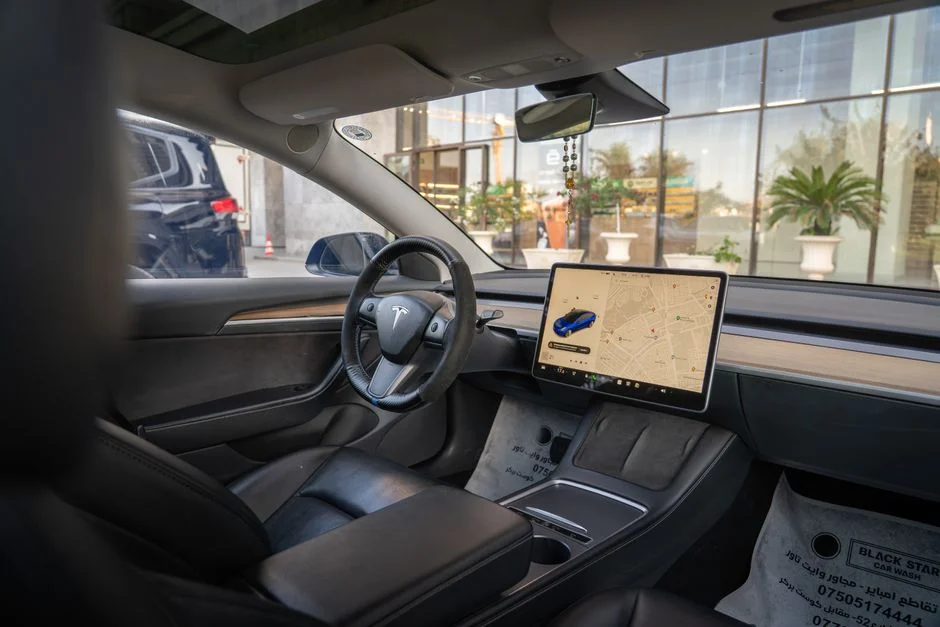
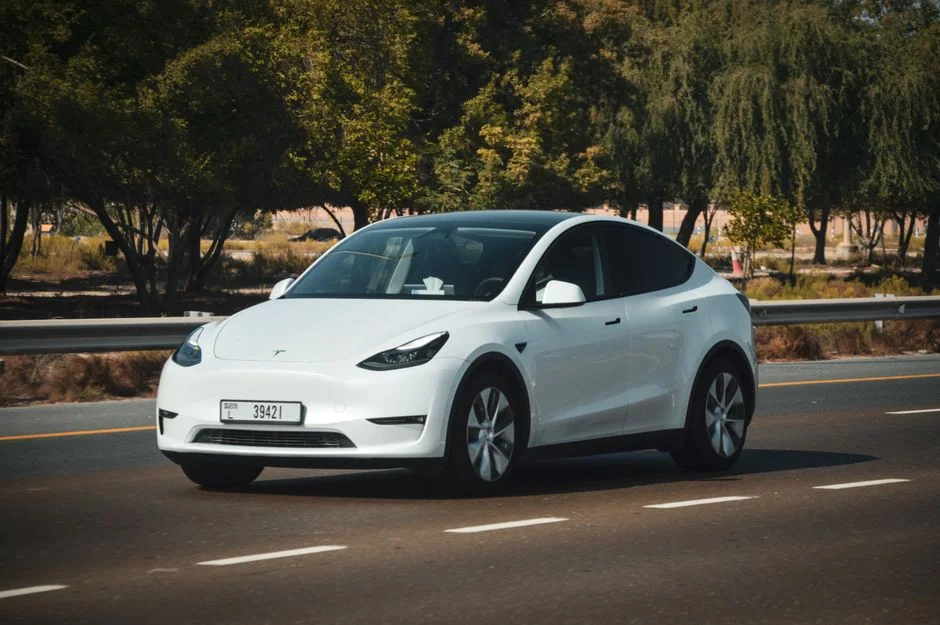
Tesla has officially teased the arrival of a tri-motor Model 3 Plaid, a move that signals an aggressive push to dominate the premium electric vehicle segment. The announcement confirms that the automaker is ready to bring high-performance engineering to its most popular sedan, directly challenging rivals like Porsche and BMW. This development arrives at a critical juncture for the US auto industry, where electric vehicle adoption is accelerating but consumer expectations for range and speed are rising.
A New Benchmark for Performance
The Model 3 Plaid represents a significant engineering leap for Tesla’s mid-size sedan lineup. By incorporating three electric motors, the vehicle aims to deliver sub-four-second 0-60 mph acceleration, a metric that has long been reserved for luxury performance cars. This specification places the Model 3 directly in the arena with established German competitors who have historically dominated the high-end EV market. The inclusion of tri-motor technology suggests that Tesla is leveraging its battery and motor efficiency gains to offer premium performance at a relatively accessible price point.
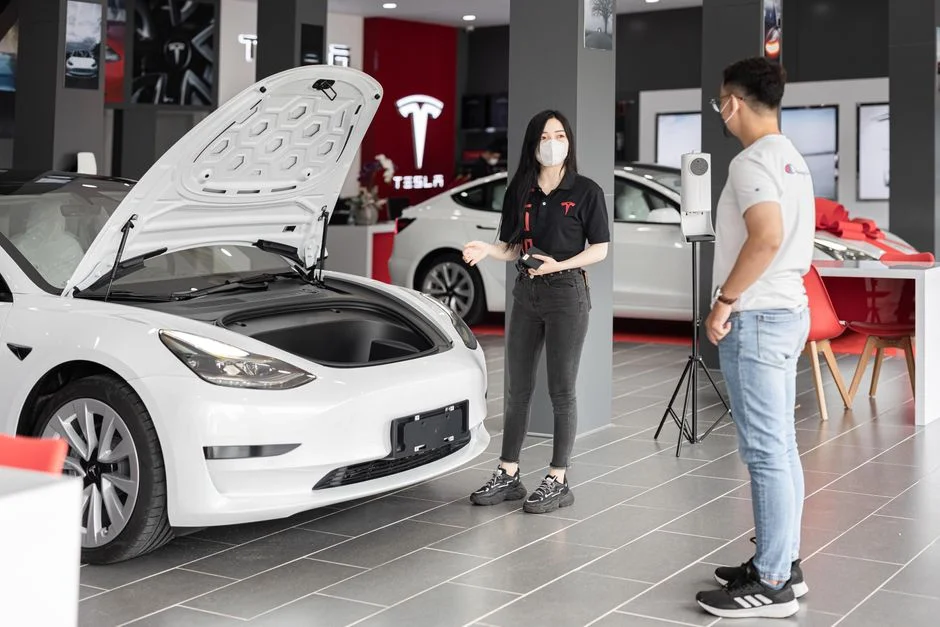
Investors and industry analysts are watching this launch closely to see how it affects Tesla’s average selling price. A higher-performance variant often commands a premium, which could help offset margin pressures in the broader automotive sector. The company has previously used the “Plaid” branding to denote peak performance, as seen with the Model S Plaid, which offers a top speed of 200 mph and exceptional torque. Replicating this success with the more affordable Model 3 could drive revenue growth and strengthen brand loyalty among performance-oriented buyers.
Implications for the US Auto Market
The introduction of a high-performance Model 3 has direct consequences for the United States automotive landscape. American consumers are increasingly turning to electric vehicles, driven by federal tax credits and improving charging infrastructure. A faster, more capable Model 3 could accelerate this transition, particularly among buyers who previously hesitated due to perceived performance limitations of early EVs. This shift could pressure traditional US automakers like Ford and General Motors to accelerate their own performance EV launches.
Competitive Dynamics
Competitors are already reacting to Tesla’s aggressive pricing and performance strategies. The Porsche Taycan and BMW i4 have been key rivals in this segment, but Tesla’s vertical integration allows for quicker iteration and cost management. The tri-motor setup in the Model 3 Plaid could force rivals to upgrade their own powertrains, potentially leading to a wave of new model announcements in the coming quarters. This competitive pressure benefits consumers through better technology and potentially lower prices, but it also squeezes profit margins for established automakers.
The US market is particularly sensitive to these changes because it represents one of Tesla’s largest revenue sources. Any gain in market share in the premium sedan category could have a ripple effect on Tesla’s overall valuation. Investors will be looking at quarterly delivery numbers and average selling price trends to gauge the immediate financial impact of the Plaid variant. The success of this model could also influence consumer perception of Tesla’s engineering capabilities, reinforcing its position as a technology leader rather than just an automaker.
Investor Perspective and Market Reaction
Wall Street has reacted with cautious optimism to the news of the Model 3 Plaid. Tesla’s stock price is often influenced by product cycle updates, and the introduction of a new high-performance variant is typically viewed as a positive catalyst. Analysts are focusing on the potential for this model to drive volume growth in the mid-to-high price bracket. The ability to offer a tri-motor vehicle at a competitive price point demonstrates Tesla’s continued engineering prowess and cost control.
However, investors are also mindful of the broader economic context. Rising interest rates and inflation have affected consumer spending power, potentially slowing EV adoption. The Model 3 Plaid must compete not only with other EVs but also with strong offerings from internal combustion engine vehicles. Tesla’s ability to maintain demand for its premium variants will be crucial for its financial performance in the near term. The market will be watching for initial reservation numbers and early delivery updates to assess consumer enthusiasm.
The financial implications extend beyond Tesla’s balance sheet. Suppliers in the US automotive sector, including battery manufacturers and semiconductor providers, stand to benefit from increased production volumes. The tri-motor configuration requires advanced power electronics and high-capacity battery packs, driving demand for these components. This supply chain activity could create jobs and stimulate economic growth in key manufacturing regions such as Texas and California.
Technological Advancements and Innovation
The technical specifications of the Model 3 Plaid highlight Tesla’s ongoing investment in electric powertrain technology. The tri-motor setup allows for precise torque vectoring, enhancing handling and stability at high speeds. This technology is derived from lessons learned from the Model S and Model X Plaid models, demonstrating Tesla’s ability to scale innovation across its lineup. The use of silicon carbide inverters and advanced battery cells contributes to improved efficiency and range, addressing key consumer concerns about electric vehicles.
Tesla’s approach to software integration also plays a crucial role in the Model 3 Plaid’s appeal. The vehicle’s performance can be updated over the air, allowing for continuous improvement and new feature additions. This software-defined vehicle approach differentiates Tesla from traditional automakers and creates a recurring revenue stream through software subscriptions. Investors view this capability as a key competitive advantage that can drive long-term value creation.
Economic Impact and Supply Chain Effects
The launch of the Model 3 Plaid has broader economic implications for the United States. The expansion of Tesla’s production capacity supports job creation in manufacturing and engineering sectors. The company’s Gigafactories in Texas and California are major employers, contributing to local economies and tax revenues. The demand for raw materials such as lithium, cobalt, and nickel also stimulates economic activity in mining and refining industries, both domestically and internationally.
The competitive pressure on traditional automakers could lead to increased investment in research and development. Companies like Ford and General Motors are likely to accelerate their EV strategies to keep pace with Tesla’s innovations. This dynamic fosters a more dynamic and innovative automotive industry, which benefits the broader economy through technological spillovers and increased productivity. The shift towards electric vehicles also aligns with US climate goals, potentially leading to further policy support and incentives.
Future Outlook and What to Watch
The market will be closely monitoring the initial sales figures and customer reviews of the Model 3 Plaid. These metrics will provide insight into consumer demand and the model’s competitive positioning. Tesla’s ability to maintain production efficiency and manage supply chain costs will be critical for the model’s success. Investors should also watch for any updates on Tesla’s software features and over-the-air updates, which can significantly enhance the vehicle’s value proposition.
Looking ahead, the automotive industry is likely to see a wave of new EV launches from both Tesla and its competitors. The introduction of the Model 3 Plaid sets a new benchmark for performance and value, forcing rivals to innovate and adapt. Consumers in the United States will benefit from a wider selection of high-quality electric vehicles with improved range and performance. The coming months will be crucial for determining the long-term impact of this launch on the EV market and Tesla’s financial trajectory.
See Also
- Microsoft Error Leaks Forza Horizon 6 Details Days Before Launch
- 18-Year-Old Loses Temper at Airport, Gets 6-Week Jail Sentence