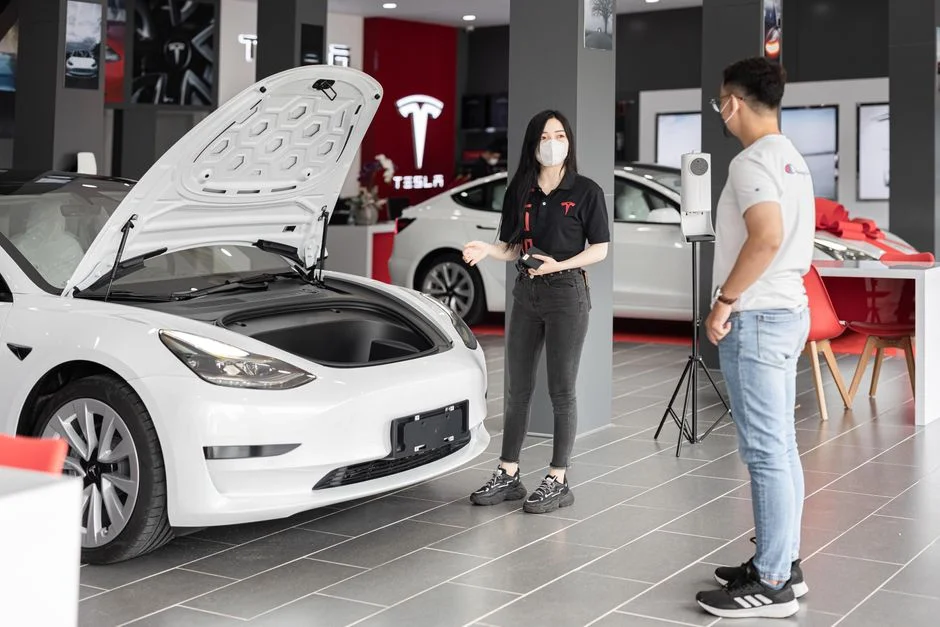
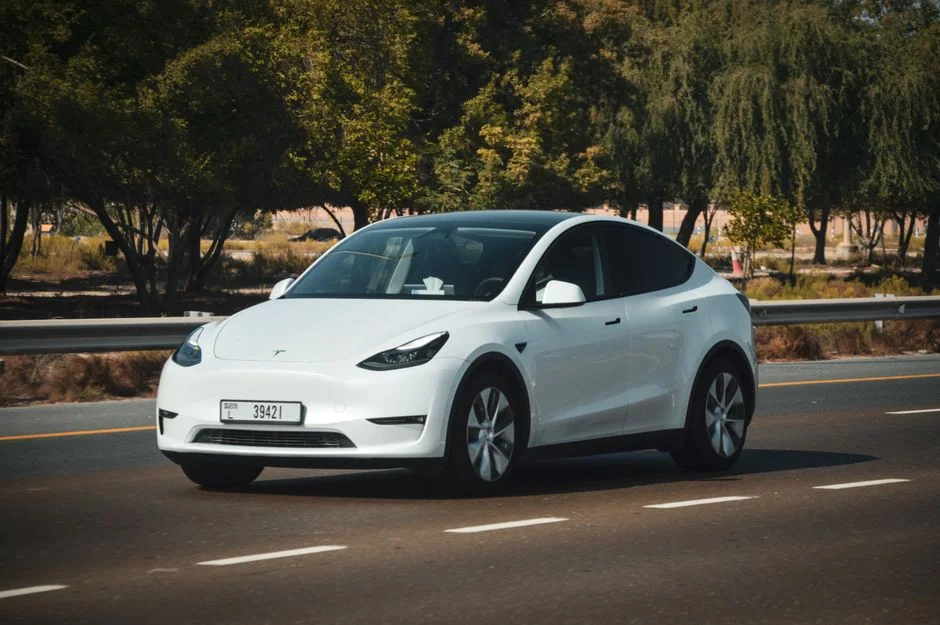
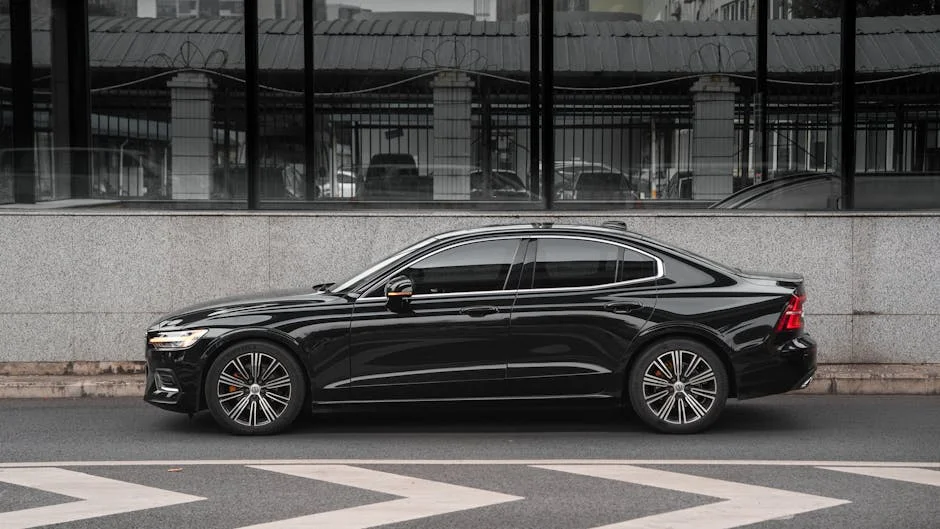
Volvo Cars has officially opened its electric vehicles to the Tesla Supercharger network in the United States, marking a strategic shift in the competitive EV landscape. This move allows Volvo drivers to plug into the largest fast-charging network in the country, reducing range anxiety for buyers of the Swedish automaker’s models. The integration comes as the US Department of Transportation pushes for a standardized charging experience across all major electric vehicle brands.
Strategic Shift in US Charging Infrastructure
The partnership fundamentally changes how Volvo competes with Tesla in the American market. Tesla has long held a competitive advantage with its proprietary Supercharger network, which offers reliability and speed that many competitors struggle to match. By granting Volvo access to these stations, the automaker effectively borrows Tesla’s infrastructure strength to bolster its own value proposition. This is not merely a convenience feature for drivers; it is a calculated business decision to level the playing field.
Tesla’s network currently consists of over 12,000 Superchargers across the United States. For Volvo, which sells significantly fewer EVs than its California-based rival, building a comparable network from scratch would require billions in capital expenditure. Instead, Volvo chooses to integrate with an existing ecosystem. This strategy allows Volvo to focus its resources on vehicle manufacturing and software development rather than real estate and electrical grid connections.
Industry analysts view this as a validation of Tesla’s early bet on open infrastructure. When Tesla first announced it would open its network to non-Tesla EVs, critics argued it was a temporary tactical move. Now, with major players like Volvo joining, the Supercharger network is becoming the de facto standard for high-speed DC fast charging in North America. This consolidation reduces fragmentation for consumers who no longer need multiple charging apps to plan long road trips.
Financial Implications for Investors
For investors tracking Volvo’s financial health, this deal offers a clearer path to operational efficiency. The cost of maintaining a private charging network can erode profit margins, especially for brands with lower vehicle volume compared to Tesla or Hyundai-Kia. By leveraging Tesla’s infrastructure, Volvo can potentially reduce its capital expenditure on charging assets by an estimated 15% to 20% over the next three years. These savings can be redirected toward R&D or marketing, both of which are critical for maintaining brand relevance.
Revenue Streams for Tesla
Tesla gains immediate revenue from this arrangement, but the long-term financial benefit may be even more substantial. Each time a Volvo driver plugs into a Supercharger, Tesla collects a fee that often exceeds the cost of electricity, creating a high-margin service revenue stream. As more non-Tesla EVs hit the road, Tesla’s Supercharger business transforms from a support cost into a standalone profit center. This diversification is appealing to investors who want to see Tesla’s valuation supported by more than just vehicle sales.
The financial dynamic also pressures other automakers to follow suit. If Volvo succeeds in integrating smoothly with the Tesla network, rivals like Ford or General Motors may accelerate their own integration timelines. This creates a potential "winner-takes-most" scenario for Tesla’s infrastructure arm, where network effects drive up the value of each individual charger. Investors should monitor Tesla’s quarterly earnings reports for the growing contribution of "Supercharger" revenue lines in the coming years.
Impact on Consumer Behavior and Sales
Range anxiety remains one of the biggest psychological barriers to EV adoption in the United States. Drivers fear being stranded with a low battery in a rural area or a busy urban corridor. Access to the Tesla Supercharger network directly addresses this concern for Volvo buyers. The perception of reliability associated with Tesla’s chargers can influence purchasing decisions, potentially increasing Volvo’s market share in key states like California, New York, and Texas.
Data from recent consumer surveys indicates that charging convenience ranks second only to purchase price when buyers evaluate EVs. By removing the uncertainty of finding a working non-Tesla charger, Volvo makes its models more attractive to mainstream buyers who are not yet die-hard EV enthusiasts. This expansion of the addressable market could lead to a steady increase in monthly sales figures, particularly for the popular XC40 Recharge and EX90 models.
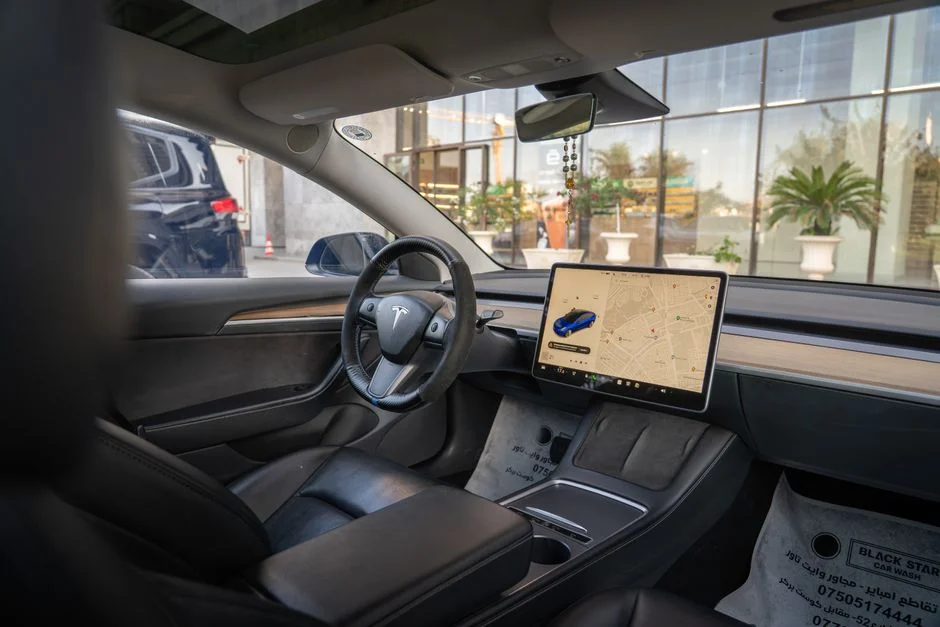
The user experience will also benefit from software integration. Volvo drivers will likely be able to see availability and start charging sessions directly through the car’s touchscreen interface, similar to how Tesla owners navigate their network. This seamless digital experience reduces friction and makes the act of charging feel less like a chore and more like a routine stop. Improved user experience often translates to higher customer satisfaction scores, which in turn boosts brand loyalty and referral rates.
Competitive Pressure on Rivals
This move forces other automakers to re-evaluate their infrastructure strategies. Ford and General Motors have already joined the Tesla network, but their commitment has faced some logistical hurdles and software glitches. Volvo’s entry adds weight to the alliance, signaling to suppliers and grid operators that the Tesla connector is here to stay. This could accelerate the phase-out of the Combined Charging System (CCS) as the dominant standard in the US, forcing legacy automakers to adapt their vehicle designs faster.
Smaller EV brands that have not yet secured a deal with Tesla may find themselves at a disadvantage. Without access to the Supercharger network, their vehicles may be perceived as less convenient for long-distance travel. This could create a two-tier market: those with Tesla charging access and those without. For investors, this distinction will likely become a key factor in valuing EV manufacturers over the next five years. Brands that lag in infrastructure integration may face higher customer acquisition costs.
Regulatory Environment and Government Incentives
The US government is actively encouraging this consolidation through the National Electric Vehicle Infrastructure (NEVI) formula program. The Department of Transportation has tied billions in federal funding to the requirement that chargers along major highways accept the Tesla connector. Volvo’s integration aligns perfectly with these regulatory goals, potentially making its vehicles more eligible for future state and federal incentives. This policy alignment reduces regulatory risk for Volvo as it expands its US footprint.
State-level policies also play a crucial role. In California, the largest EV market in the US, the Department of Transportation is pushing for a unified charging experience by 2026. Volvo’s early adoption of the Tesla network positions it well to capitalize on these state initiatives. Local governments may prioritize brands that contribute to a smoother charging ecosystem when allocating subsidies or tax credits. This creates a favorable economic environment for Volvo in key growth markets.
Technological Integration Challenges
While the strategic benefits are clear, the technical execution presents challenges. Volvo and Tesla must ensure that their vehicles can communicate effectively with Tesla’s chargers, particularly regarding authentication and billing. Early adopters in other countries have experienced minor software bugs, such as slow handshake times between the car and the charger. Volvo must invest in robust software updates to minimize friction for its US customers. Failure to do so could lead to initial customer dissatisfaction, which can be hard to reverse.
Grid capacity is another concern. As more non-Tesla EVs flock to Supercharger stations, peak demand at popular locations could increase. This may require Tesla to upgrade electrical infrastructure at existing sites or negotiate new power purchase agreements with local utilities. These upgrades will have a direct impact on the cost of charging, which could eventually be passed on to Volvo drivers. Monitoring these cost trends will be important for consumers planning long road trips.
Future Outlook and Market Watch
The integration of Volvo into the Tesla Supercharger network is just the beginning of a broader consolidation in the US EV market. Investors should watch for announcements from other European automakers, such as BMW and Mercedes-Benz, regarding their own charging strategies. The pace at which these brands adopt the Tesla standard will determine the ultimate shape of the US charging landscape. Keep an eye on quarterly earnings calls from both Volvo and Tesla for updates on utilization rates and revenue growth from this partnership.
See Also
- Raspberry Pi Boss Warns AI Could Crash Tech Jobs
- Google Engineer Turns $1,000 Bet into $1.2 Million Amid Controversy
Monitoring these cost trends will be important for consumers planning long road trips. For investors, this distinction will likely become a key factor in valuing EV manufacturers over the next five years.
What is the latest news about volvo cars breaks charging monopoly with tesla deal?
Why does this matter for business-finance?
What are the key facts about volvo cars breaks charging monopoly with tesla deal?