Apple confirmed Wednesday that its next-generation Siri artificial intelligence system will deliver deeply personalized experiences, a development that intensifies competition with Google Gemini and reshapes the landscape for tech investors watching the AI assistant market.
Siri's Personality Shift
The updated Siri moves beyond generic voice commands to learn individual user habits, preferences, and routines. The system draws on on-device processing to handle sensitive data without transmitting it to cloud servers, a technical approach Apple says protects user privacy while delivering more relevant responses. Industry observers note the shift reflects how artificial intelligence is becoming a personal utility rather than a novelty feature.
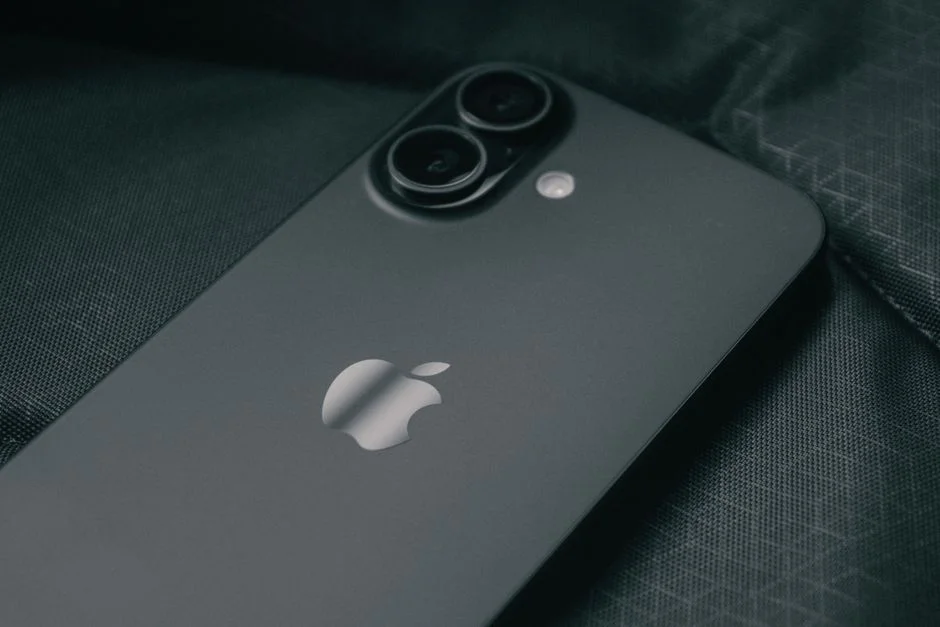
The redesign arrives as consumers increasingly expect technology to anticipate their needs. Apple's senior vice president of Machine Learning described the new capability as "intelligence that knows you, not just your commands" during a presentation at Apple Park in Cupertino. The company plans a phased rollout beginning next quarter across iPhone, iPad, and Mac devices.
The Google Gemini Factor
Google Gemini has gained ground by integrating across search, email, and workspace applications. Apple watchers say the Siri upgrade is partly a response to Alphabet's strategy of embedding generative AI throughout its product ecosystem. The two companies are now competing not just on hardware but on which AI assistant consumers trust most with their daily digital lives.
The economic stakes are substantial. AI assistants drive device loyalty, app store revenue, and services subscriptions worth billions annually. Morgan Stanley analysts estimate the personal AI assistant market could exceed $80 billion globally by 2027, making Siri's relevance a financial imperative for Apple rather than a mere feature update.
Market and Investor Implications
Apple shares ticked up 1.2 percent in after-hours trading following the announcement, reflecting investor confidence that enhanced AI capabilities will stimulate upgrade cycles. Historical patterns show feature-driven upgrades correlate with stronger-than-expected iPhone sales in subsequent quarters.
The announcement also carries implications for app developers building on Apple's platform. When Siri becomes more capable and personalized, third-party developers gain opportunities to create services that integrate more deeply with the assistant. That could spark a new wave of AI-enhanced applications, expanding the economic activity flowing through Apple's developer ecosystem.
Privacy as Economic Differentiator
Apple's decision to emphasize on-device processing for sensitive tasks may appeal to enterprise customers and privacy-conscious consumers. While Google Gemini processes many queries through cloud infrastructure, Apple positions its approach as fundamentally different. For businesses evaluating which AI platform to adopt company-wide, data handling practices increasingly influence purchasing decisions.
The privacy-first architecture could also affect regulatory relationships in Europe and Asia, where governments have scrutinized American tech companies' data practices. Apple's approach may provide a competitive advantage in markets with strict data sovereignty requirements.
Economic Ripple Effects
The AI assistant market influences adjacent industries beyond technology companies. Customer service operations, healthcare scheduling, and financial services increasingly rely on conversational AI. As Siri becomes more capable, businesses that depend on these platforms may need to recalibrate their own digital strategies.
Apple's move also pressures competitors to accelerate their own development timelines. Microsoft has expanded Copilot across its product lines, while Amazon continues investing in Alexa capabilities for home and enterprise environments. The result is an AI arms race where speed of innovation directly affects market share and pricing power.
What Comes Next
Developers will get access to expanded Siri capabilities through updated APIs beginning next month, allowing third-party apps to tap into the assistant's enhanced context awareness. Apple has scheduled a global developer conference where detailed technical sessions will outline integration options and revenue-sharing arrangements for AI-powered services built on the platform.
For investors, the Siri announcement signals Apple's commitment to remain competitive in the most visible segment of the AI market. Quarterly earnings calls will likely feature questions about AI-driven services revenue and hardware upgrade cycles tied to the new capabilities. The next several months will show whether the personalized approach translates into measurable economic outcomes for the company.
See Also
- India's Spiky Cactus Fruit Boosts Farmers' Income — and Markets Take Notice
- Mythos Drives Surge in Cybersecurity Experts Amid AI Threats
See AlsoIndia's Spiky Cactus Fruit Boosts Farmers' Income — and Markets Take NoticeMythos Drives Surge in Cybersecurity Experts Amid AI Threats That could spark a new wave of AI-enhanced applications, expanding the economic activity flowing through Apple's developer ecosystem.Privacy as Economic DifferentiatorApple's decision to emphasize on-device processing for sensitive tasks may appeal to enterprise customers and privacy-conscious consumers.