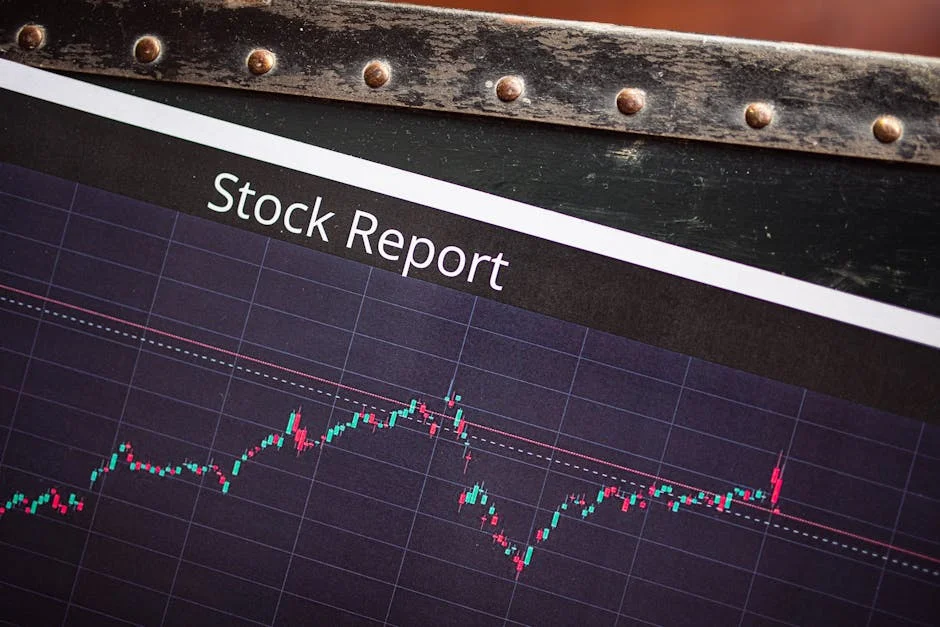
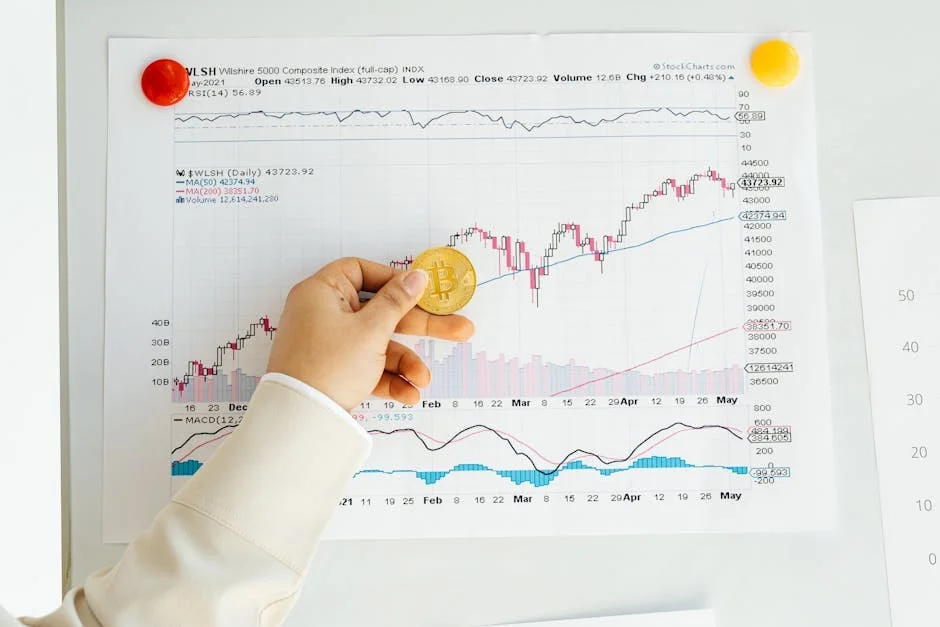
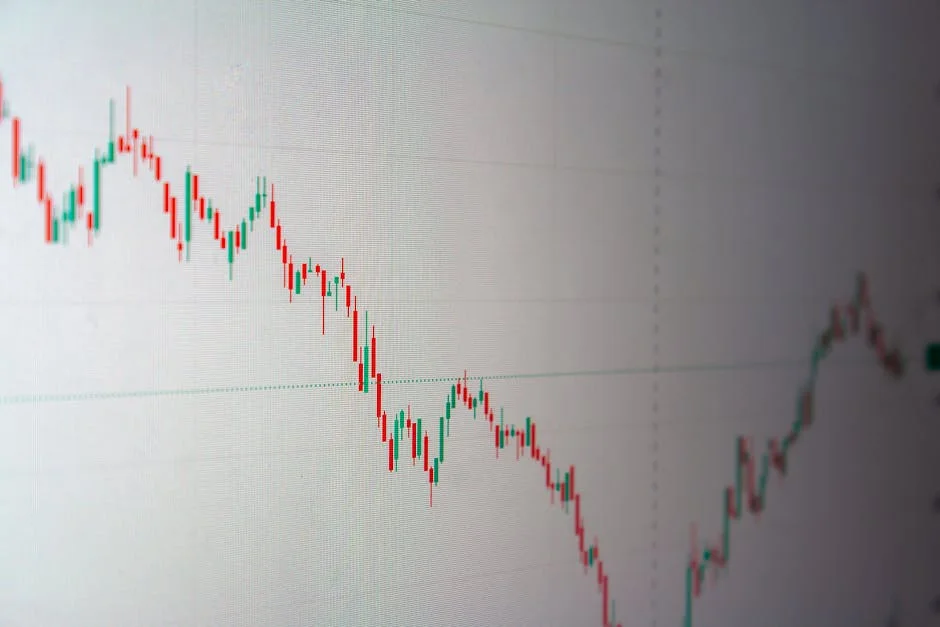
At 3 PM today, India's benchmark stock index, the Sensex, witnessed a dramatic decline, falling over 500 points in a matter of minutes. This sharp downturn has left investors scrambling for answers as geopolitical tensions, particularly concerning Iran, have begun to exert pressure on markets.
Investor Panic Amid Rising Geopolitical Tensions
The sudden fall of the Sensex, which closed at 61,000.30, was largely attributed to escalating tensions in the Middle East, specifically regarding Iran's recent military exercises. Investors reacted swiftly, leading to a sell-off that saw the index drop by 0.83% before markets closed. The military drills, reported to involve ballistic missile tests, have raised alarms worldwide and resulted in a wave of uncertainty among traders.
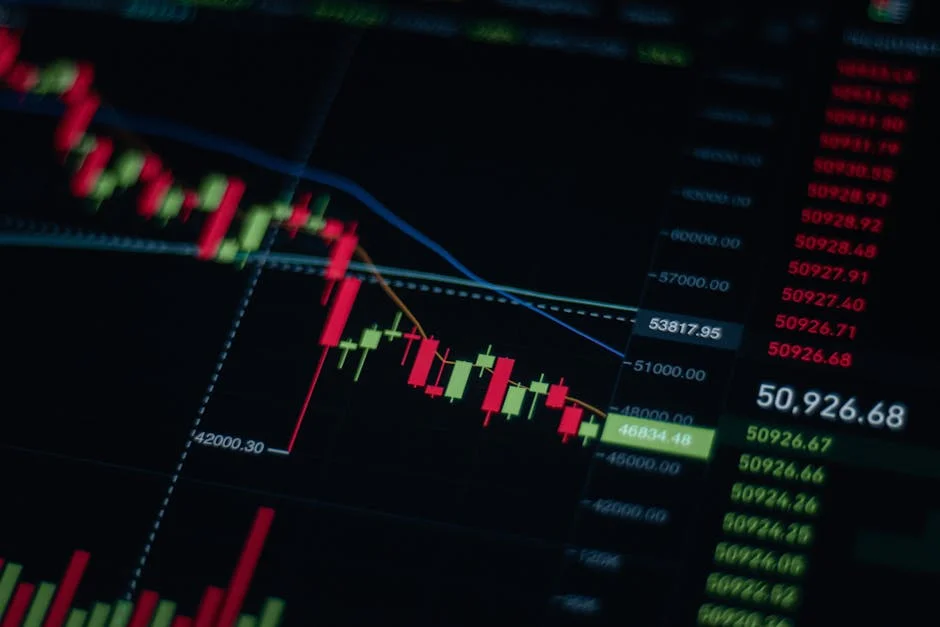
Analysts at J.P. Morgan highlighted that such geopolitical issues often fuel volatility in emerging markets, with India being particularly sensitive due to its significant oil imports from the region. This leads to immediate concerns over energy prices, which have already seen fluctuations in the past weeks.
Financial Impacts and Market Reactions
In tandem with the Sensex dip, the Nifty 50 index also experienced a sharp contraction, dropping 150 points to close at 18,178. Market concerns were exacerbated by a fall in global oil prices, which dipped to $76 per barrel following reports of sanctions on Iranian oil. The potential for conflict in the Middle East poses a threat to global supply chains, leading to fears of further economic instability.
Market analysts warn that continued tensions with Iran could lead to long-term impacts on the Indian economy, particularly if crude prices surge again or if there are supply disruptions. Businesses heavily reliant on oil are bracing for potential increased costs, which could affect profit margins.
What to Watch Next: Economic Data and Recovery Signals
Investors will need to keep a close eye on upcoming economic data releases, particularly in relation to inflation and consumer spending. The Reserve Bank of India’s monetary policy review next week is also a pivotal moment, with potential rate changes influencing market stability.
Furthermore, companies like Reliance Industries, which are heavily invested in both the energy sector and the stock market, will be crucial to watch. Their performance can provide insight into how the broader market will react to these geopolitical developments.
Global Implications of the Stock Market Fall
The ramifications of today's market movements extend beyond India. With the United States also having significant oil interests in the region, the ongoing situation in Iran could trigger a ripple effect across global markets. Investors should be mindful of the interconnectedness of markets, as declines in one can lead to sell-offs in others.
As the situation unfolds, the U.S. State Department may issue recommendations for American firms operating in unstable regions, adding further layers of complexity to their investment decisions.
Conclusion: Navigating the Murky Waters Ahead
With the Sensex's sudden fall, investors are left with uncertainty and questions about their next moves. As tensions escalate, it will be vital to stay informed about developments concerning Iran and their economic implications. Upcoming economic data and corporate earnings reports will serve as critical indicators of market sentiment moving forward.
See Also
- AI Cybersecurity Showdown Triggers Market Shifts
- SpaceX IPO Filing Opens Door for Elon Musk's Ambitious Expansion Plans
Upcoming economic data and corporate earnings reports will serve as critical indicators of market sentiment moving forward. With the United States also having significant oil interests in the region, the ongoing situation in Iran could trigger a ripple effect across global markets.
What is the latest news about indias stock market plummets 500 points sensex faces sudden collapse?
Why does this matter for technology?
What are the key facts about indias stock market plummets 500 points sensex faces sudden collapse?