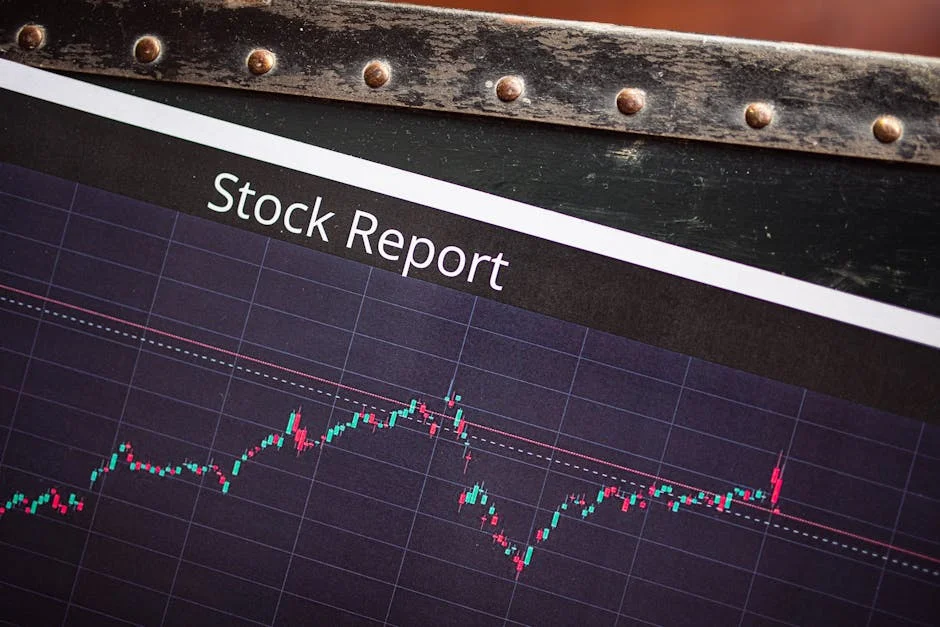
The Bombay Stock Exchange Sensex closed above the 75,300 mark on Thursday, marking a decisive break through previous resistance levels. This rally, which added over 100 points to the benchmark index, signals robust investor confidence in India's economic fundamentals. The Nifty 50 mirrored this strength, settling above 23,650, driven by gains in key sectors including information technology and financial services.
Market Dynamics Behind the Rally
Traders in Mumbai observed steady buying pressure throughout the trading session. Foreign institutional investors played a pivotal role in pushing valuations higher. This influx of capital suggests that global funds are increasingly viewing Indian equities as a safe haven amid global economic uncertainty. The stability of the Indian rupee further supported this upward momentum.

Domestic mutual funds also contributed significantly to the daily gains. Systematic investment plan inflows have remained consistent, providing a solid base for the market's performance. This dual support from foreign and domestic investors creates a resilient market structure. It reduces the volatility often seen in emerging markets during periods of global flux.
Implications for US Investors
For investors in the United States, the Sensex performance offers valuable insights into global market trends. A rising Indian market often correlates with increased earnings for multinational corporations with significant exposure to the region. Companies like Apple and Microsoft, which have deep supply chains and consumer bases in India, may see boosted revenue forecasts. This directly impacts their stock valuations on Wall Street.
US-based exchange-traded funds focusing on emerging markets will also benefit from this rally. These funds provide American investors with a straightforward way to capture growth in the Indian economy. As the Sensex climbs, the net asset value of these ETFs increases, offering immediate returns. This creates a direct financial link between Mumbai's trading floor and New York's portfolio managers.
Sector-Specific Opportunities for American Capital
Technology stocks in India have shown particular strength, driven by global digital transformation trends. US tech giants often partner with Indian IT firms, creating a symbiotic relationship that boosts profitability. Investors should monitor these partnerships, as they can lead to unexpected earnings beats. The resilience of the Indian IT sector provides a buffer against potential slowdowns in the US domestic market.
Financial services represent another key area of interest. As India's economy grows, the demand for banking and insurance products expands rapidly. US financial institutions looking to diversify their asset classes find attractive opportunities in Indian banks. This sector's growth potential offers a compelling case for increased allocation by American pension funds and hedge funds.
Economic Indicators Driving Confidence
The market's optimism is not merely speculative; it is backed by solid economic data. India's gross domestic product growth rate continues to outpace many of its global peers. This robust expansion is supported by strong consumer spending and increasing industrial output. Such fundamentals provide a sturdy foundation for sustained market performance.
Inflation rates in India have shown signs of stabilization, which is crucial for monetary policy decisions. The Reserve Bank of India has maintained a relatively hawkish stance to keep prices in check. This prudent approach helps maintain the purchasing power of consumers and investors alike. Stable inflation reduces the risk of sudden interest rate hikes that could dampen market enthusiasm.
Global Economic Context
The performance of the Sensex does not occur in a vacuum; it is influenced by broader global economic forces. The Federal Reserve's monetary policy decisions in the United States have a ripple effect on emerging markets. When the US central bank signals a potential pause in rate hikes, capital tends to flow back into high-growth economies like India. This dynamic creates a direct linkage between US policy and Indian market performance.
Geopolitical stability in the Middle East and Europe also plays a role. As the world's largest importer of crude oil, India's economy is sensitive to oil price fluctuations. Stable oil prices help keep India's current account deficit manageable, which in turn supports the currency and equity markets. US investors should keep an eye on these external factors, as they can quickly alter the investment landscape.
Business Implications for Multinational Corporations
Multinational corporations with operations in India are likely to see improved balance sheets. A stronger stock market facilitates easier access to capital for expansion and mergers. Companies can issue shares at higher valuations, raising funds for research and development or market penetration. This financial flexibility is crucial for maintaining competitive edges in a fast-evolving global economy.
Consumer brands targeting the Indian middle class stand to gain significantly. As the economy grows, the disposable income of Indian consumers increases, driving demand for premium products. US companies in the consumer goods, automotive, and healthcare sectors are well-positioned to capitalize on this trend. The growing affluence in India represents a massive opportunity for brand expansion and revenue growth.
Investment Strategies for the Coming Quarter
Investors should consider a diversified approach to capitalize on the Indian market's growth. Allocating a portion of the portfolio to Indian equities can provide a hedge against domestic US market volatility. This diversification strategy helps spread risk and potentially enhances overall returns. It is essential to research specific sectors and companies to identify the best opportunities.
Long-term investors may find value in holding Indian stocks for several years. The country's demographic dividend, with a large young workforce, promises sustained economic growth. This structural advantage supports the long-term bullish case for Indian equities. Short-term traders, on the other hand, should monitor technical indicators and global news flows to time their entries and exits effectively.
Future Outlook and Key Dates to Watch
The next few weeks will be critical for confirming the sustainability of this rally. Investors should watch the upcoming quarterly earnings reports from major Indian companies. These reports will provide concrete data on corporate profitability and growth trajectories. Strong earnings will reinforce the bullish sentiment, while disappointments could trigger a correction.
Additionally, the Reserve Bank of India's next monetary policy announcement will be closely monitored. Any changes in the repo rate will have immediate implications for bond yields and equity valuations. US investors should also keep an eye on the US Federal Reserve's decisions, as they can influence capital flows into and out of India. Staying informed about these key events will help investors make timely and well-informed decisions.
See Also
- LSU Hosts Southeastern — Impact on Local Business and Economy
- Barcelona Struggles in EuroLeague: "We Must Find a Way Forward" - Debemos' Latest Update
Future Outlook and Key Dates to Watch The next few weeks will be critical for confirming the sustainability of this rally. The Federal Reserve's monetary policy decisions in the United States have a ripple effect on emerging markets.