Israel launched a series of precision airstrikes across southern Lebanon, while a mysterious drone struck a critical power plant in the United Arab Emirates. These simultaneous geopolitical shocks have sent immediate ripples through global energy markets and regional trade corridors. Investors are now bracing for potential volatility in oil prices and shipping insurance rates as the Middle East’s stability faces renewed scrutiny.
Immediate Market Reactions to Regional Shocks
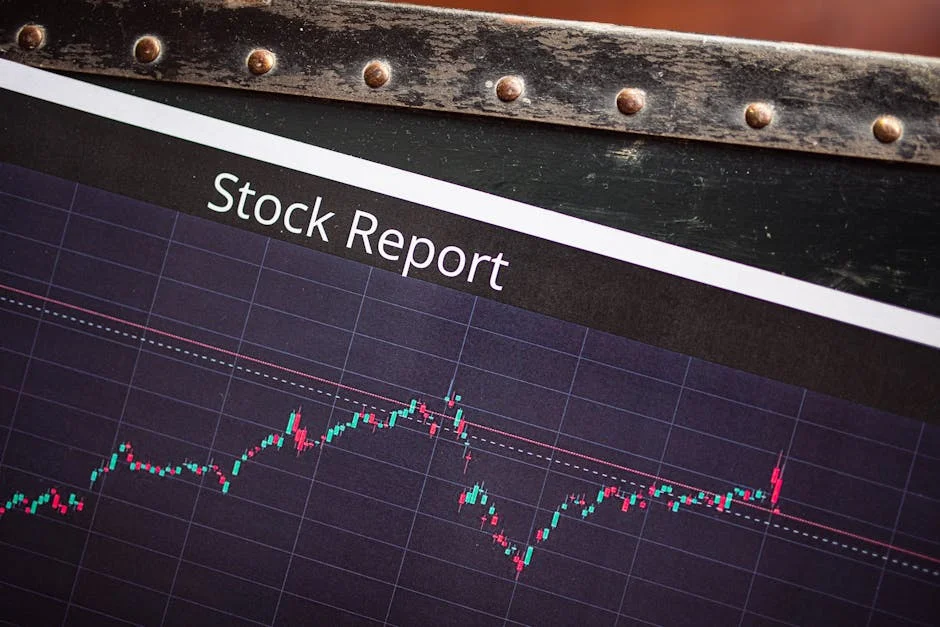
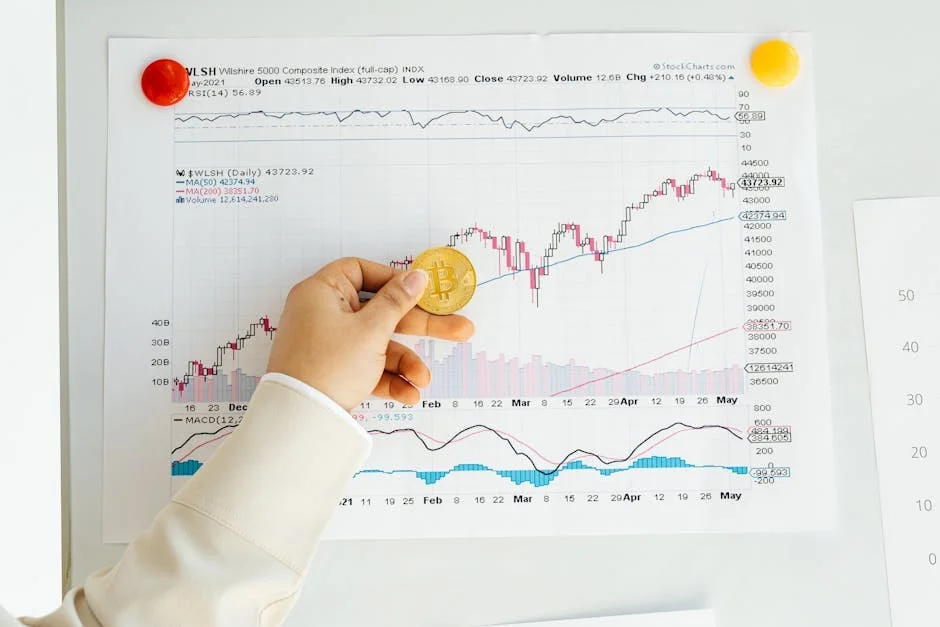
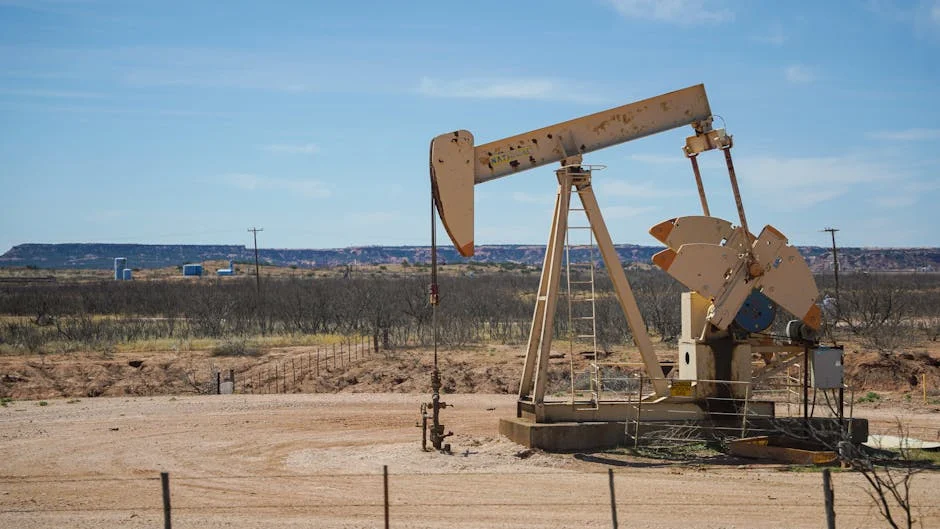
Financial markets reacted swiftly to the dual threats emerging from the Levant and the Gulf. The Brent crude oil price surged past $85 per barrel, reflecting investor anxiety over supply chain disruptions. This spike occurred despite relatively stable production numbers from OPEC+ members, highlighting how sentiment often drives short-term energy valuations more than immediate physical shortages. Traders are closely monitoring the Strait of Hormuz, the world’s most critical oil chokepoint, for any signs of naval congestion or tanker delays.
The UAE’s infrastructure hit, though isolated so far, has raised alarms about the resilience of Gulf energy assets. The power plant in question supplies electricity to key industrial zones in Dubai and Abu Dhabi. Any prolonged outage could disrupt manufacturing output and increase operational costs for multinational corporations headquartered in the Emirates. Market analysts are watching for secondary effects on the Dirham’s peg to the US Dollar, which relies heavily on steady energy revenues to maintain its value.
Equity markets in the region showed mixed signals, with technology stocks in Tel Aviv dipping due to potential labor disruptions from the Lebanon conflict. Conversely, defense contractors saw a brief rally as governments in the Gulf region accelerated procurement plans. This divergence underscores the complex interplay between security risks and sector-specific opportunities. Investors must now balance the immediate cost of capital against the long-term stability of regional trade agreements.
The Strategic Importance of the Strait of Hormuz
Understanding the economic gravity of the current crisis requires looking at the geography of the Gulf. The Strait of Hormuz is a narrow waterway connecting the Persian Gulf to the Gulf of Oman. Approximately 20% of the world’s total oil consumption passes through this 32-mile-wide channel daily. Any disruption here, whether by drone, missile, or naval blockade, sends shockwaves through the global energy ledger. This is why SG explained, in recent strategic briefings, that the Strait remains the single most vulnerable node in the global energy network.
Why SG Matters for Global Trade
SG developments explained the intricate web of shipping insurance and freight rates that depend on this waterway. When tensions rise, insurance premiums for tankers transiting the Strait can double within 48 hours. These costs are eventually passed on to consumers in the form of higher gasoline prices in Europe and Asia. The recent drone attack in the UAE suggests that adversaries are testing the depth of air defense coverage, potentially bringing the Strait into the crosshairs. This dynamic is critical for understanding why SG matters to every investor holding energy or logistics stocks.
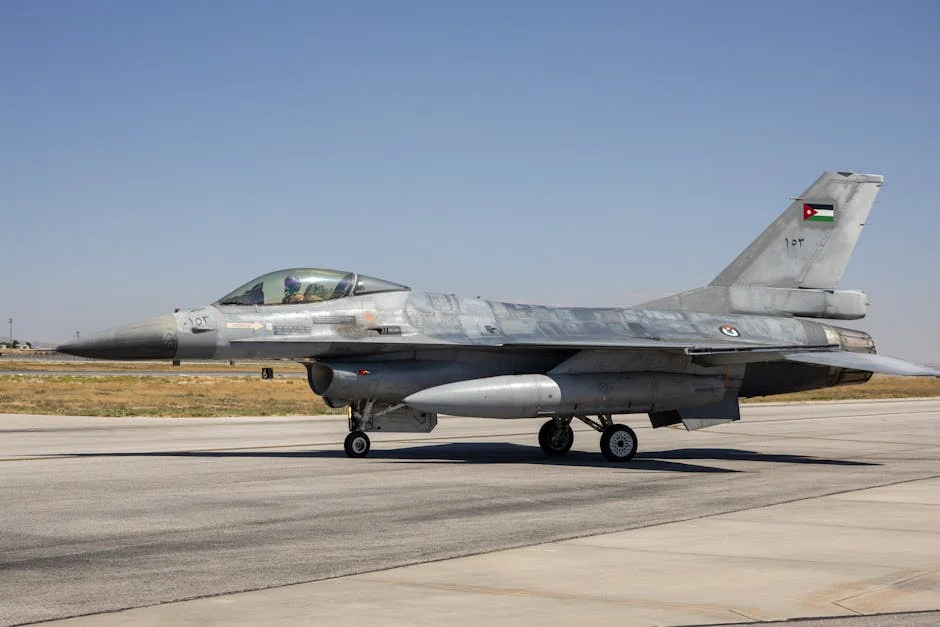
The UAE has responded by deploying advanced Patriot missile batteries and F-35 fighter jets to key infrastructure sites. However, the sheer volume of maritime traffic makes total coverage difficult. Shipping companies are already adjusting routes to minimize exposure, which adds time and fuel costs to deliveries. For businesses reliant on just-in-time manufacturing models, these incremental costs can erode profit margins significantly. The Strait of Hormuz developments explained that such logistical friction can last for weeks, not just days.
Impact on UAE Energy Infrastructure
The drone strike on the UAE power plant represents a tactical shift in regional conflict. Previously, attacks were largely confined to border regions or major urban centers like Beirut. Targeting critical infrastructure in the Gulf suggests a broader strategy to weaken economic resilience. The plant, located near Abu Dhabi, provides power to several petrochemical refineries. A prolonged blackout could force these refineries to cut output, further tightening global supply. This development aligns with what is strait of hormuz related risks, where energy infrastructure becomes a primary target to influence global prices.
Businesses operating in the UAE are conducting rapid risk assessments. Multinational firms are evaluating contingency plans for power outages, including the deployment of backup generators and diversification of supply chains. The cost of these measures is being factored into quarterly earnings forecasts. For investors, this means that companies with robust balance sheets and diversified energy sources will likely outperform those heavily dependent on local grid stability. The strait of hormuz news today highlights how a single strike can cascade into broader economic adjustments.
The UAE government has announced an emergency fund to support affected industries, but the long-term impact depends on the frequency of subsequent strikes. If the power plant remains offline for more than a week, the UAE may need to import electricity from neighboring Oman or Qatar. This would increase regional interdependence but also expose the Emirates to external pricing pressures. Investors should monitor announcements from the UAE Ministry of Energy and Infrastructure for updates on grid stability and production targets.
Israel-Lebanon Conflict and Economic Fallout
Israel’s airstrikes in Lebanon have reopened a historic corridor of conflict with significant economic implications. The southern region of Lebanon, a key agricultural and trade hub, has seen increased disruption to road networks and port operations. This affects the flow of goods between Europe and the Levant, increasing shipping times and costs. The conflict also impacts Israel’s own economy, particularly its tech sector, which relies on a steady flow of engineers and a stable domestic environment. Any escalation could lead to higher defense spending, potentially crowding out other government investments.
The Israeli Shekel has experienced minor fluctuations against the US Dollar, reflecting investor caution. Central bank officials are monitoring inflation data closely, as energy price spikes can feed into broader consumer price indices. For businesses, the uncertainty creates a challenging environment for long-term planning. Companies are delaying capital expenditures until the geopolitical landscape becomes clearer. This hesitation can slow down economic growth, particularly in sectors like construction and tourism.
Regional trade agreements are also under pressure. The Lebanon-Israel border crossing, though often tense, facilitates a steady flow of goods. Disruptions here can lead to bottlenecks in the broader Mediterranean trade network. Investors should watch for updates from the Israel Electric Corporation and the Lebanese Ministry of Economy for insights into how the conflict is affecting daily economic operations. The strait of hormuz developments explained that regional conflicts often have spillover effects that extend far beyond the immediate battlefields.
Investment Strategies in Volatile Times
For investors, the current geopolitical landscape presents both risks and opportunities. Diversification is more critical than ever, with a focus on assets that perform well during periods of uncertainty. Gold and other precious metals are seeing increased demand as safe-haven assets. Additionally, defense stocks and energy companies are benefiting from the heightened tension. However, investors should be cautious of overpaying for these sectors, as valuations can become stretched quickly. It is essential to balance these gains with exposure to defensive sectors like consumer staples and healthcare.
Corporate leaders are also adapting their strategies to mitigate risk. Supply chain diversification is a top priority, with many companies looking to reduce reliance on single-source suppliers in the Middle East. This shift involves significant upfront costs but can provide long-term stability. Investors should look for companies that are actively investing in logistics flexibility and regional diversification. These firms are better positioned to weather the storms of geopolitical uncertainty. The SG explained that proactive risk management is key to maintaining competitive advantage in volatile markets.
Financial advisors are recommending a balanced approach, combining growth-oriented assets with defensive holdings. This strategy helps to cushion against sudden market swings while capturing potential upside from sector-specific rallies. Regular portfolio reviews are essential to ensure that asset allocation remains aligned with changing risk profiles. Investors should also keep an eye on central bank policies, as monetary adjustments can significantly influence market sentiment. The strait of hormuz news today serves as a reminder that geopolitical events can quickly reshape economic realities.
What to Watch Next
Investors and businesses must stay vigilant for the next 72 hours, as the situation in the Gulf and the Levant remains fluid. Key indicators to monitor include the daily Brent crude price, shipping insurance rates for the Strait of Hormuz, and announcements from the UAE Ministry of Energy. Any escalation in the Israel-Lebanon conflict could lead to broader regional involvement, further impacting energy supplies. Watch for statements from the US Central Command and the European Union regarding potential sanctions or military deployments. The coming week will be critical in determining whether these shocks are temporary blips or the beginning of a prolonged period of economic turbulence.
See Also
- UK Tax Authority Deploys AI to Hunt Fraud
- Academicians Urge President to End Supreme Court Textbook Dispute
The UAE government has announced an emergency fund to support affected industries, but the long-term impact depends on the frequency of subsequent strikes. Key indicators to monitor include the daily Brent crude price, shipping insurance rates for the Strait of Hormuz, and announcements from the UAE Ministry of Energy.