Iranian forces launched a coordinated drone and missile barrage targeting Kuwait on Thursday, according to regional security officials, a dramatic escalation that sent tremors through global energy markets and forced investors to reassess exposure across the Gulf Cooperation Council states.
The attack, which marks one of the most significant strikes against Kuwait in recent decades, drew immediate condemnation from Western capitals and raised fears of broader instability in a region responsible for roughly a fifth of the world's oil supply. Kuwait's petroleum infrastructure, concentrated along its northern coastline near the Persian Gulf, sits within range of Iranian military assets stationed across the water in Kharg Island and the mainland.
Oil Prices Surge on Supply Fears
Brent crude climbed sharply in Asian trading following news of the attack, as traders priced in heightened risk premiums for Gulf-sourced petroleum. Kuwait produces approximately 2.4 million barrels per day, making it a material contributor to OPEC+ output quotas and a critical node in the global supply chain. Any sustained disruption to its terminals or processing facilities would tighten an already anxious market.
The assault arrives amid already elevated crude prices driven by production cuts among major exporters. Analysts at several financial institutions noted that the timing compounds existing supply concerns, with inventories in key consuming nations sitting below seasonal averages. Shipowners immediately began adjusting routes for vessels transiting the Persian Gulf, with some charterers demanding war risk insurance extensions before committing cargo to the region.
Kuwait's Financial Hub Braces for Impact
TheKuwait Financial Centre, home to the country's banking sector and sovereign wealth assets estimated in excess of $750 billion, issued internal guidance to financial institutions recommending enhanced monitoring of liquidity conditions. The nation's central bank faces the delicate task of maintaining currency stability while responding to potential capital flight triggered by geopolitical uncertainty.
International investors with holdings in Kuwaiti equities moved quickly, with the Kuwait Stock Exchange experiencing elevated volatility in early Friday dealings. Fund managers in London, New York, and Singapore reported heightened inquiries from clients seeking information about exposure levels and hedging options. Regional bond spreads widened as risk appetite contracted across emerging market portfolios.
Business Operations Face Disruption
Multinational corporations operating production facilities or logistics hubs in Kuwait began activating contingency protocols within hours of the strikes. Several major Western energy companies maintain joint ventures with Kuwait Petroleum Corporation across upstream and downstream operations, with personnel levels in the hundreds at key installations.
Aviation data confirmed a swathe of flight cancellations and diversions affecting Kuwait International Airport, disrupting supply chains that rely on air freight for time-sensitive goods. Shipping traffic through Shuwaikh Port, the country's primary commercial gateway, faced delays as port authorities conducted security assessments before resuming full operations.
Insurance Costs Spike for Gulf Operations
War risk insurers based in London and Lloyd's market syndicates reported immediate adjustments to coverage terms for vessels and facilities operating within a broad zone encompassing Kuwaiti territorial waters. Premium increases of 15 to 25 percent were cited for commercial shipping transiting the northern Persian Gulf, according to brokers tracking the market.
The incident follows a pattern of escalating Iranian military activity across the Gulf that has progressively expanded the risk footprint for commercial operations. Reinsurance capacity available to support coverage in the region has contracted over the past eighteen months as underwriters reassessed aggregate exposure to geopolitical hazards.
Tehran's Strategic Calculus
Iranian state media confirmed the military operation but offered limited details regarding specific targets or stated objectives. Security analysts have theorised the barrage represents Tehran's response to recent regional diplomatic developments, though officials have not publicly articulated a direct linkage.
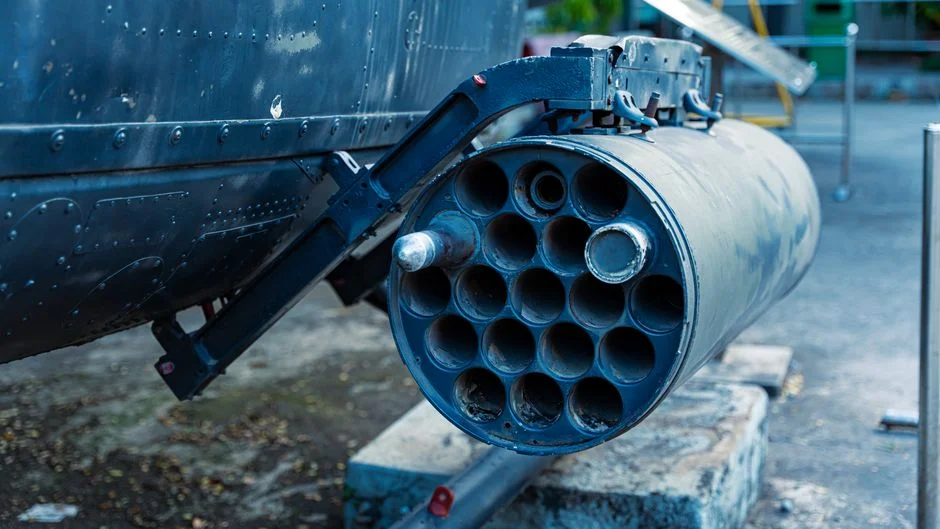
The Islamic Revolutionary Guard Corps, which controls Iran's missile and drone programmes, released imagery of the weapons systems deployed, suggesting deliberate messaging about capabilities rather than covert action. Military strategists note that the choice of Kuwait as a target carries symbolic weight, given the emirate's historical significance and its role as a major Western-aligned energy exporter.
Regional Allies on High Alert
The United States Central Command issued a brief statement confirming awareness of the attack and pledged coordination with regional partners. American military assets in the Gulf, including naval vessels operating from Bahrain and Qatar, maintain surveillance capabilities that likely tracked the incoming weapons.
Saudi Arabia and the United Arab Emirates, both major oil producers with significant American security partnerships, elevated alert levels at critical energy infrastructure. Joint monitoring arrangements between Gulf states and Western intelligence services intensified following previous Iranian operations, creating channels for rapid information sharing when incidents occur.
Investors Brace for Prolonged Volatility
Emerging market fund managers face a challenging recalibration of Gulf exposure as the situation develops. The attack removes whatever remained of the sense that regional tensions had stabilised following earlier diplomatic initiatives, forcing a reassessment of risk models built on assumptions of contained conflict.
Commodity trading houses reported surging enquiries from industrial consumers seeking to lock in supplies through futures contracts, anticipating that spot availability could tighten rapidly. Petrochemical producers dependent on Kuwaiti feedstock face particular uncertainty, with derivative markets already reflecting elevated input cost expectations.
What Comes Next
Kuwait's government convened an emergency cabinet session to assess damage and coordinate response measures, with officials expected to provide public updates on infrastructure integrity and production capacity by Sunday. The national assembly may be recalled for extraordinary sessions to debate security provisions and potential requests for international assistance.
Oil traders will scrutinise official production reports due next week, watching for any confirmation of output disruption. The frequency and intensity of any further Iranian military activity will prove decisive for market direction, with analysts noting that previous regional crises have seen escalatory patterns lasting several weeks before diplomatic intervention or tacit de-escalation takes effect. Western governments have signalled continued monitoring, though formal diplomatic initiatives remain at an early stage of consideration.
See Also
- South Africa Combats Ransomware Threats — Protecting Businesses Ahead of 2024
- Maisfutebol Exposes Google News Gap — Here Is Why Publishers Are Watching
Saudi Arabia and the United Arab Emirates, both major oil producers with significant American security partnerships, elevated alert levels at critical energy infrastructure. Military strategists note that the choice of Kuwait as a target carries symbolic weight, given the emirate's historical significance and its role as a major Western-aligned energy exporter.
What is the latest news about iran launches drone and missile strike on kuwait oil markets immediately react?
Why does this matter for technology?
What are the key facts about iran launches drone and missile strike on kuwait oil markets immediately react?