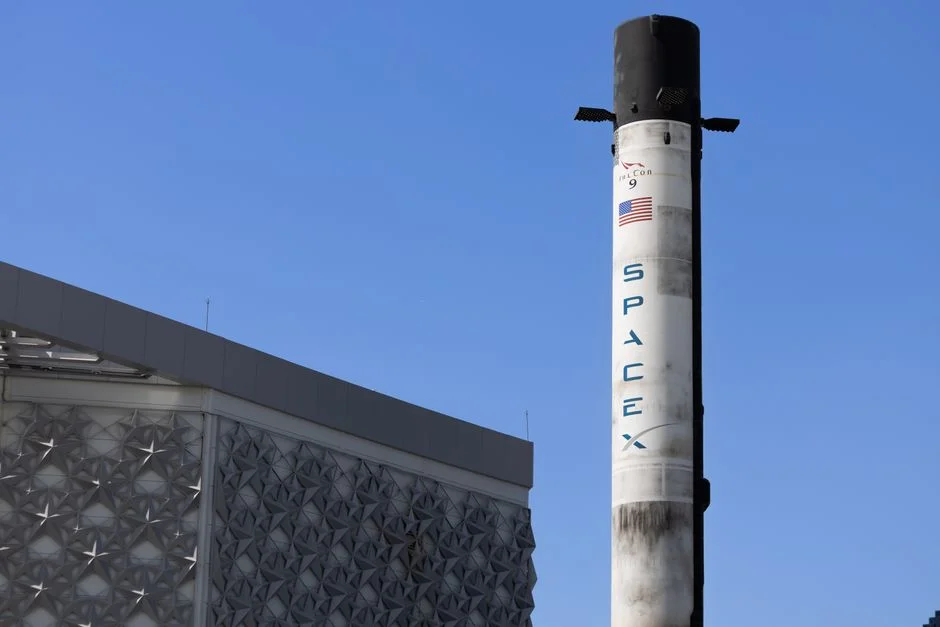
SpaceX is preparing to fire a Falcon 9 rocket at the Moon at a staggering 5,400 miles per hour. This high-velocity impact marks a pivotal moment for the commercial space sector. Investors are watching closely to see how this event reshapes market dynamics.
Market Reaction to High-Velocity Impact
The financial markets are already responding to the announcement. Shares in aerospace and defense companies have shown increased volatility. Analysts predict that the success of this mission will validate SpaceX’s technological dominance. This validation could lead to a surge in investor confidence across the sector.

The specific speed of 5,400 miles per hour is not just a scientific curiosity. It represents a cost-effective method for clearing lunar real estate. This efficiency attracts venture capital looking for tangible returns on space exploration. Businesses are beginning to view the Moon as a viable commercial frontier.
Business Implications for Aerospace Giants
SpaceX’s move forces competitors to accelerate their own lunar strategies. Companies like Blue Origin and Lockheed Martin must respond to maintain market share. The pressure to innovate is intensifying as the race for lunar resources heats up. This competition drives down costs and improves technology for all players.
The impact event serves as a proof of concept for precision landing. This capability is crucial for future cargo and passenger deliveries. Businesses that can leverage this technology will gain a significant advantage. The supply chain for space logistics is set to expand rapidly in the coming years.
Investor Perspective on Lunar Assets
Investors are evaluating the potential value of lunar resources. Water ice and helium-3 are among the most sought-after commodities. The Falcon 9 impact helps map these resources more accurately. This data reduces the risk for early-stage space mining ventures.
The financial community is also looking at infrastructure development. Building bases and landing pads requires substantial capital investment. SpaceX’s success could trigger a wave of public and private funding. This influx of capital will boost the broader aerospace economy.
Economic Impact on the United States
The Falcon impact on the United States economy will be multifaceted. The aerospace sector is a major employer and driver of technological innovation. Success in space exploration strengthens the country’s competitive edge globally. This edge attracts foreign direct investment and fosters domestic growth.
How Falcon affects the United States extends beyond direct financial gains. It enhances national security through advanced satellite and communication systems. These systems rely on the same technologies used in lunar missions. The synergy between defense and commercial space is a key economic driver.
Falcon developments explained in economic terms show a clear trend. The shift from government-led to commercially-driven space exploration is accelerating. This shift increases efficiency and reduces taxpayer burden. The resulting savings can be reinvested in other critical economic sectors.
Scientific Analysis and Economic Value
Scientists analysis the United States’ role in lunar exploration with growing optimism. The data gathered from the Falcon 9 impact will be invaluable. It will help refine models of the lunar surface and subsurface. This scientific clarity reduces uncertainty for business planning.
Scientists explained that the impact will create a temporary exosphere. This phenomenon provides unique insights into lunar geology. Understanding these details is crucial for long-term habitation plans. Businesses planning lunar bases will rely on this scientific foundation.
Scientists latest news highlights the interdisciplinary nature of the mission. Engineers, geologists, and economists are all contributing to the effort. This collaboration fosters innovation across multiple fields. The resulting intellectual property will have widespread economic applications.
Supply Chain and Manufacturing Growth
The demand for space-grade materials is set to explode. Manufacturers in Texas and California are already scaling up production. This growth creates jobs and stimulates local economies. The ripple effect extends to suppliers of electronics and software.
Logistics companies are also adapting to the new space economy. They are developing specialized transport and storage solutions. These services are essential for moving equipment to and from the Moon. The efficiency of these logistics networks will determine the cost of lunar missions.
Regulatory Landscape and Policy Shifts
Regulators are working to create a stable framework for space commerce. The Federal Aviation Administration is updating its launch licensing processes. These updates aim to reduce delays and lower costs for companies. A clear regulatory environment encourages more investment in the sector.
The Artemis Accords are another key policy development. These international agreements define the rules for lunar exploration and resource utilization. The United States is a leading signatory, giving its companies a first-mover advantage. This diplomatic effort supports the economic interests of American businesses.
Future Outlook and Market Expectations
The next few years will be critical for the space economy. Investors should watch for announcements on lunar mining rights. These rights will define the initial wave of commercial activity. The companies that secure the best locations will reap the earliest rewards.
Technological breakthroughs in propulsion and life support are also on the horizon. These innovations will further reduce the cost of access to space. Lower costs mean more frequent missions and greater economic activity. The trajectory of the space economy points to sustained growth and expansion.
See Also
- Virginia Citizens Block Data Centre Project Over Coal Dust Pollution Fears
- Oman Cuts Oil Exports After Strait Tensions Trigger Global Market Shock