Ukraine attacked Russian cargo vessels in the Azov Sea on Tuesday while confirming that one of its drones had crossed into Romanian airspace, a move that pushed NATO-member territory into the conflict's direct orbit. The back-to-back incidents came as Russian President Vladimir Putin prepared a major speech that Western officials expect will outline the Kremlin's war aims for the coming months.
Ukrainian Forces Target Russian Shipping in the Azov Sea
Ukraine's military said its forces struck at least three cargo ships carrying goods through waters that Russia has effectively controlled since the full-scale invasion began in 2022. The attacks mark one of the most aggressive efforts yet to disrupt Russian commercial shipping in the region, which Moscow has used to move grain, fuel, and other goods despite international sanctions.
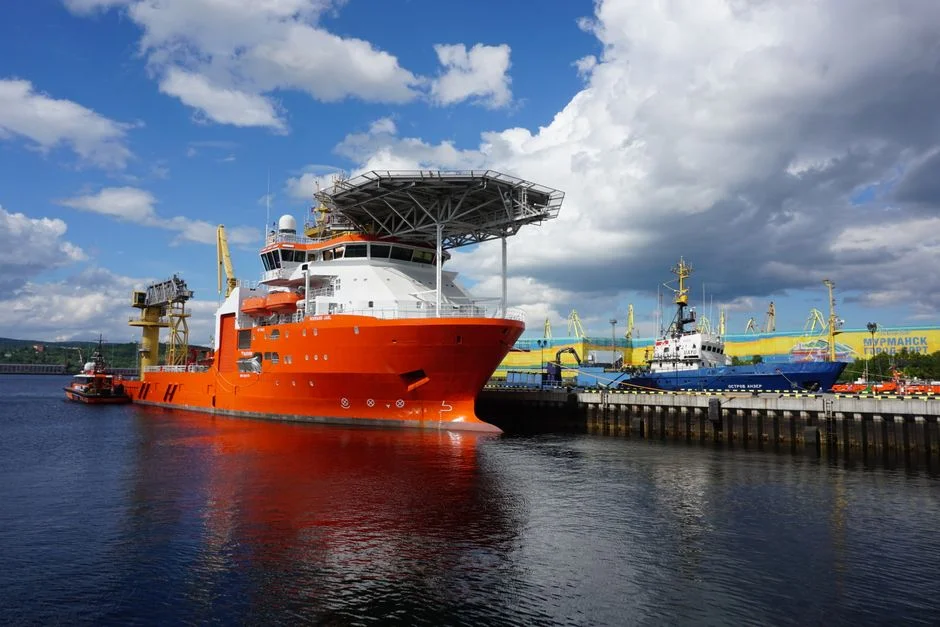
The strikes were carried out in the eastern section of the Black Sea basin, an area where Russian naval assets maintain a heavy presence. Ukrainian officials said the operation was designed to weaken Russia's logistics network and signal that no vessel operating in support of the war effort is safe.
Military analysts say the timing of the strikes, less than 48 hours before Putin's address, suggests the operation was intended to shape the narrative around the speech. If Putin attempts to project strength or announce new objectives, Ukraine's visible strikes on Russian shipping provide a counter-message.
Ukraine Admits Romania Drone Incident
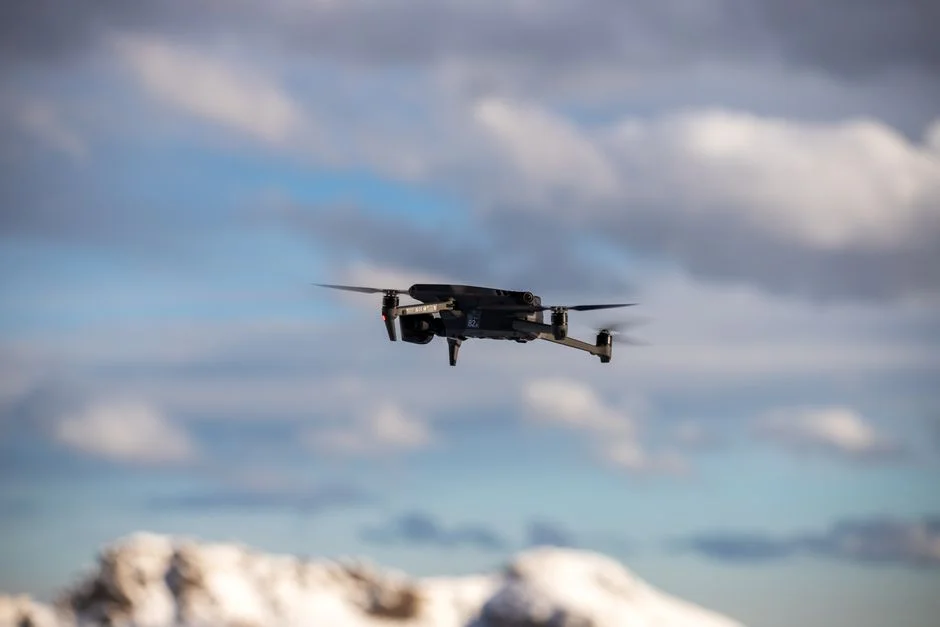
Separately, Ukrainian officials acknowledged that a drone launched during operations against Russian positions had drifted into Romanian airspace, striking a location near the border. Romania, a NATO member, shares a maritime border with Ukraine and has hosted allied military assets since the war began.
The admission came after Romanian authorities reported an explosion on their territory last week. Ukraine's acknowledgment was unusual for its directness, suggesting Kyiv wanted to prevent the incident from becoming a diplomatic crisis with its Western backers.
NATO has said it is monitoring the situation closely. Article 5 collective defence obligations require the alliance to treat an armed attack on one member as an attack on all, though officials have stopped short of suggesting the drone incident meets that threshold. The question of whether an unmanned aircraft constitutes an armed attack remains legally contested.
Why Markets Are Watching the Black Sea Flashpoints
The collision of maritime strikes and cross-border incidents is landing directly in the calculations of commodity traders, shipping firms, and risk analysts who track Black Sea trade flows. The Azov Sea and the western Black Sea are chokepoints for grain exports from Ukraine, one of the world's largest suppliers of wheat and corn.
Any escalation that disrupts export routes tends to move grain futures. Ukraine's ports, while operating under a UN-brokered deal that has faced repeated collapse, still handle millions of tonnes of agricultural goods each year. If Russia responds to the cargo ship strikes by tightening its naval grip or Ukraine widens the area of operations, insurance premiums for vessels in the region could spike sharply.
Shipping companies with exposure to the Black Sea have already priced in elevated risk since 2022. The new strikes introduce fresh uncertainty about whether current route assessments adequately account for escalating Ukrainian capabilities.
Investor Jitters Ahead of Putin's Address
Putin's speech, expected within days, arrives at a moment when Russian forces have made incremental advances along parts of the front line but face continued pressure in the south and east. Market watchers will parse the address for any signals about whether the Kremlin intends to broaden the conflict's geographic scope, intensify economic mobilisation, or push for a negotiated settlement on terms that could reshape regional trade.
Russian defence stocks and companies tied to military logistics have seen increased activity in recent weeks. If the speech announces expanded naval operations or new areas of focus, that could ripple through to defence contractors and energy firms that dominate Moscow's equity markets.
For Western investors tracking Russian exposure, the cargo ship strikes add another layer of risk. Companies with supply chains that transit the Black Sea or rely on Russian infrastructure face potential disruption if the strikes continue or expand.
Energy Markets and the Caspian Connection
The Azov Sea connects to the Caspian Basin through Russia's internal waterways, and cargo passing through these routes includes petroleum products alongside agricultural goods. Energy traders watch Black Sea tensions closely because any signal that Russian oil shipments face higher risk of interdiction can move benchmark crude prices within hours.
Russian crude exports have faced a cap imposed by Western allies, but flows continue through alternative routes and buyers. A sustained Ukrainian campaign against cargo shipping could complicate price-setting mechanisms that rely on stable throughput volumes.
NATO's Response and What Happens Next
The Romania drone incident has prompted consultations within NATO's military command structure. The alliance has enhanced surveillance flights along its eastern flank and increased the readiness of certain units stationed in Romania and the Baltic states. Romania's government has called for a coordinated NATO response, though the specifics remain under discussion.
For Ukraine's Western partners, the strikes present a complicated picture. They demonstrate Ukraine's ability to project force deep into contested waters, which strengthens its negotiating position. But incidents that touch NATO territory carry the risk of unintentional escalation that could pull allies deeper into the conflict.
Market participants will watch for several signals in the coming days: whether Russia responds to the cargo ship attacks with its own strikes on Ukrainian ports, whether NATO formally strengthens its presence in the Black Sea, and how energy and grain markets price the cumulative risk. Putin's speech will be the first major data point. If it announces an expansion of operations or a new phase of the war, markets will react accordingly.
The strikes on cargo vessels and the drone admission are not isolated events. They reflect a conflict that is stretching its geographic boundaries while targeting the economic infrastructure both sides rely on. For investors, the message is clear: the war's economic footprint is widening, and the risks embedded in Black Sea trade are not fully priced in.
See Also
- UK Trials Social Media Bans on Teenagers — and Tech Stocks Plunge
- Sister Sentenced to Life for Rape of Younger Brother in Newcastle