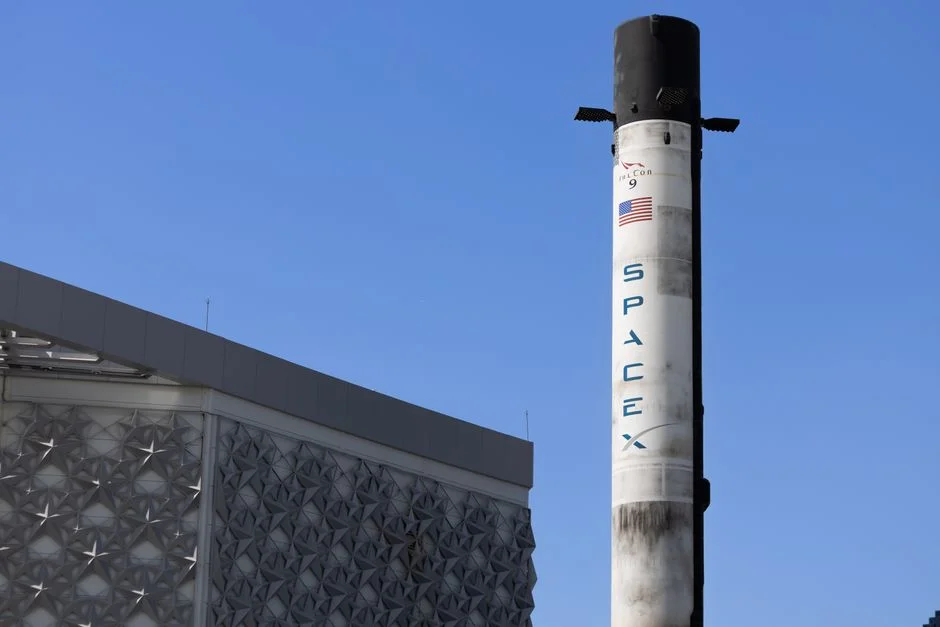
A SpaceX Starship rocket tore through the atmosphere and splashed down in the Indian Ocean on Friday, ending in a fiery explosion that sent shockwaves through the space industry. The blast occurred hours after the vehicle completed its orbital test flight, marking a dramatic conclusion to one of the most ambitious aerospace missions in recent years. Investors and analysts are now scrambling to assess how this event affects the broader market dynamics surrounding commercial space exploration.
Immediate Market Reaction to the Blast
Financial markets reacted swiftly to the news of the Starship explosion. While SpaceX remains a private company, its valuation directly influences the sentiment of publicly traded space-sector peers. Shares of Boeing and Lockheed Martin experienced minor fluctuations as traders digested the implications for government contracts and private investment flows. The explosion serves as a tangible reminder that space travel remains a high-risk, high-reward venture for capital allocators.

Elon Musk, the CEO of SpaceX, confirmed the details of the splashdown via social media, noting that the vehicle achieved most of its primary objectives despite the dramatic end. This transparency helps stabilize investor confidence, suggesting that the explosion was a controlled or acceptable outcome rather than a catastrophic failure. The market’s response underscores the growing interdependence between technological milestones and financial performance in the aerospace sector.
Impact on Aerospace Supply Chains
The Starship mission involves a complex web of suppliers, ranging from raw material providers in Texas to specialized component manufacturers in California. Any disruption in the launch schedule can have ripple effects across these supply chains. For instance, delays in testing can lead to inventory buildups for suppliers of heat shields and propulsion systems. Businesses that rely on steady order flows from SpaceX must remain agile to accommodate the unpredictable nature of spaceflight testing.
Supply Chain Resilience
Suppliers in the aerospace industry are increasingly focusing on resilience to buffer against such volatile events. Companies are diversifying their client bases to reduce dependency on any single manufacturer. This strategic shift is crucial for maintaining cash flow and operational stability. The Starship explosion highlights the need for robust contingency planning within the global aerospace supply network.
Investors should monitor the financial health of key suppliers, such as those producing aluminum-lithium alloys and carbon-carbon composites. These materials are critical for the Starship’s structure and performance. Any delays in SpaceX’s testing schedule could lead to renegotiations or even contract cancellations, affecting the revenue projections of these smaller firms. The ripple effects can extend far beyond the immediate launch site.
Valuation Pressures on Private Space Firms
SpaceX’s valuation is a key benchmark for the private space industry. The company is currently valued at approximately $150 billion, making it one of the most valuable private tech-aerospace hybrids. A successful Starship mission would likely push this number even higher, attracting more venture capital and private equity. Conversely, repeated dramatic failures could temper investor enthusiasm and lead to valuation corrections across the sector.
Competitors such as Blue Origin and Virgin Galactic are watching closely. The performance of Starship directly impacts the competitive landscape for orbital launches and future lunar missions. If SpaceX demonstrates rapid iteration and cost-efficiency, it forces rivals to accelerate their own development cycles. This competitive pressure can drive innovation but also increases the capital expenditure requirements for all players in the market.
Government Contracts and Fiscal Implications
The United States government is a major customer for SpaceX, with NASA awarding the company significant contracts for the Artemis moon program and the Commercial Crew Program. The reliability of Starship is critical for meeting the ambitious timeline of landing astronauts on the Moon by 2028. Any delays or cost overruns could have fiscal implications for NASA and the broader federal budget. Taxpayers and legislators are keenly interested in how these space expenditures translate into tangible returns.
Defense contracts also hang in the balance. The U.S. Space Force relies on SpaceX for satellite deployment and deep-space exploration. A robust Starship fleet could reduce launch costs for defense satellites, freeing up budget for other military priorities. However, if the vehicle requires extensive modifications after each test, the cost savings may be delayed. This uncertainty affects defense contractors who compete for the same pool of federal funds.
Investor Sentiment and Long-Term Outlook
Long-term investors in the space sector view individual test failures as part of the iterative process. The key metric is not just the success of a single flight but the rate of learning and improvement. SpaceX has historically used data from each explosion to refine the design, leading to rapid advancements. Investors who understand this dynamic are likely to hold steady, while short-term traders may react more emotionally to the news.
The broader economic context also plays a role. As interest rates fluctuate, capital becomes more expensive for capital-intensive industries like aerospace. This makes efficient execution even more critical for companies like SpaceX. Any inefficiency in the Starship program could have a magnified effect on the company’s financial health in a high-interest-rate environment. This adds another layer of complexity for financial analysts modeling the company’s future performance.
What to Watch Next
Investors and industry observers should closely monitor the post-flight analysis reports released by SpaceX. These documents will detail the specific causes of the explosion and the projected timeline for the next test flight. The speed at which SpaceX returns to the launch pad will be a strong indicator of its operational efficiency. Additionally, watch for any announcements regarding new government contracts or partnerships that may be influenced by the Starship’s performance.
See Also
- Microsoft Exposes Billions to Zero-Day as Windows 11 BitLocker Cracks
- Eli Lilly Slaps Five-Day Deadline on Hospitals Over 340B Drug Discounts
Government Contracts and Fiscal Implications The United States government is a major customer for SpaceX, with NASA awarding the company significant contracts for the Artemis moon program and the Commercial Crew Program. The performance of Starship directly impacts the competitive landscape for orbital launches and future lunar missions.