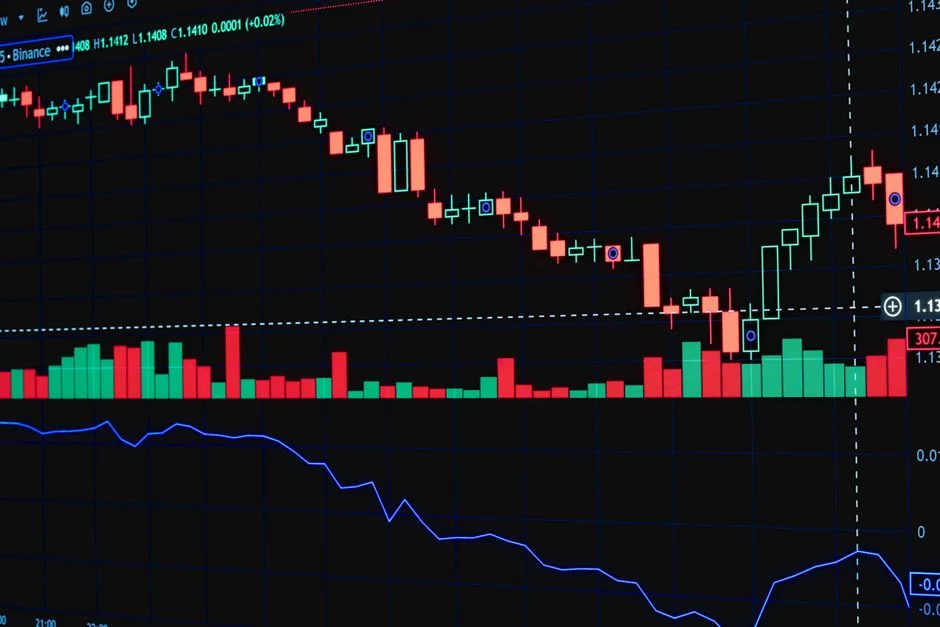
SpaceX, the ambitious aerospace company led by Elon Musk, has seen its shares fall below their initial public offering (IPO) value just a month after debuting on the stock market. This decline marks a volatile period for the company’s stock, which has been closely watched by investors and market analysts. The drop in share price raises questions about the challenges facing the company and its future financial outlook.
Immediate Impact on Share Prices
Since going public, SpaceX’s shares have experienced significant fluctuations, indicative of the broader volatility often seen in new tech stock listings. The initial excitement around the IPO saw shares surge on the first day of trading. However, recent weeks have provided a reality check, with the stock dipping below its debut price, raising concerns among investors who initially bought into the hype.

The drop can be attributed to a mix of market conditions and possibly unmet high expectations set by the company’s ambitious growth plans. Investors who were optimistic about SpaceX’s future prospects might now be reevaluating their positions, leading to increased selling pressure on the stock.
Background of SpaceX and Its Public Debut
SpaceX’s decision to go public was a momentous occasion in the tech and aerospace industries. Founded by Elon Musk, SpaceX has been a pioneer in space travel and commercialization, achieving feats like reusable rockets and contracts with NASA. The IPO was anticipated as a watershed moment, hoping to raise significant capital to fund its ambitious projects, including the Starship program aimed at Mars colonization.
The IPO came amidst a broader trend of high-profile tech companies entering public markets, leveraging favorable market conditions and investor appetite for innovative tech ventures. However, post-IPO performance often hinges on the company's ability to meet or exceed its growth projections and operational milestones, areas where SpaceX faces substantial challenges.
Why This Matters for the Economy
The volatility in SpaceX’s share price is not just a concern for individual investors but also reflects broader economic implications. A successful SpaceX could drive technological advancements and economic growth, particularly in sectors like aerospace and tech innovation. Conversely, continued instability or failure to deliver on promises could dampen investor sentiment towards other tech IPOs and innovative ventures.
Economic stakeholders are closely monitoring how SpaceX navigates this period. The company's success or struggle could influence investor confidence across the tech sector, potentially impacting funding flows and valuation models for future IPOs.
Key Players and Institutions
Elon Musk, as the face of SpaceX, plays a critical role in shaping investor perceptions. Known for his visionary leadership yet controversial public statements, Musk’s influence on stock movements is profound. His ability to communicate SpaceX’s vision convincingly will be crucial in stabilizing the share price.
Major institutional investors, including venture capital firms and tech-focused funds, have significant stakes in SpaceX. Their decisions to buy, hold, or sell shares can sway market sentiment. The reactions of these investors might provide insights into the market's long-term confidence in SpaceX’s strategic plans.
Market and Investor Reactions
The response to SpaceX's declining share price has been mixed. While some investors remain optimistic, betting on the company’s potential to revolutionize space travel, others are wary of the risks associated with such volatile stocks. Analysts are divided, with some highlighting the immense potential for growth and others cautioning about the execution risks inherent in SpaceX’s ambitious agenda.
Market analysts often compare SpaceX’s situation to other tech companies that faced similar post-IPO turbulence but eventually stabilized and delivered robust returns. The consensus is that long-term investors need to be patient and resilient to ride through the short-term volatility.
Broader Implications on the Tech Sector
The trajectory of SpaceX’s stock will likely influence perceptions of tech IPOs in general. A recovery could boost confidence in tech equities, encouraging more innovation-driven companies to pursue public listings. If SpaceX falters, it might make investors more cautious, particularly about companies with high valuations but uncertain profit timelines.
This development also comes at a time when the United States economy is closely watching tech sector contributions to GDP growth. Innovations in space technology could open new markets and revenue streams, but this is contingent upon companies like SpaceX proving their commercial viability.
What to Watch Next
Investors and market watchers should pay attention to SpaceX’s upcoming earnings reports and project milestones, which could significantly impact stock performance. Announcements regarding new contracts, particularly with governmental bodies like NASA or international space agencies, might provide positive catalysts for the stock.
Moreover, any shifts in leadership or strategic direction, potentially announced during quarterly updates or special investor meetings, could provide further insights into the company’s future trajectory. Watching how SpaceX addresses current challenges will be crucial for understanding its potential path forward.
Overall, while the current situation poses challenges, SpaceX’s unique position in the market and its potential to drive innovation keep it under close scrutiny. Investors are advised to stay informed about developments and be strategic in their investment approach.
See Also
- Google's Android Adds Scam Call Detection — What Changes for US Businesses
- Nigeria Minister Faces Certificate Forgery Allegations — And Investors Are Watching
His ability to communicate SpaceX’s vision convincingly will be crucial in stabilizing the share price.Major institutional investors, including venture capital firms and tech-focused funds, have significant stakes in SpaceX. Analysts are divided, with some highlighting the immense potential for growth and others cautioning about the execution risks inherent in SpaceX’s ambitious agenda.Market analysts often compare SpaceX’s situation to other tech companies that faced similar post-IPO turbulence but eventually stabilized and delivered robust returns.