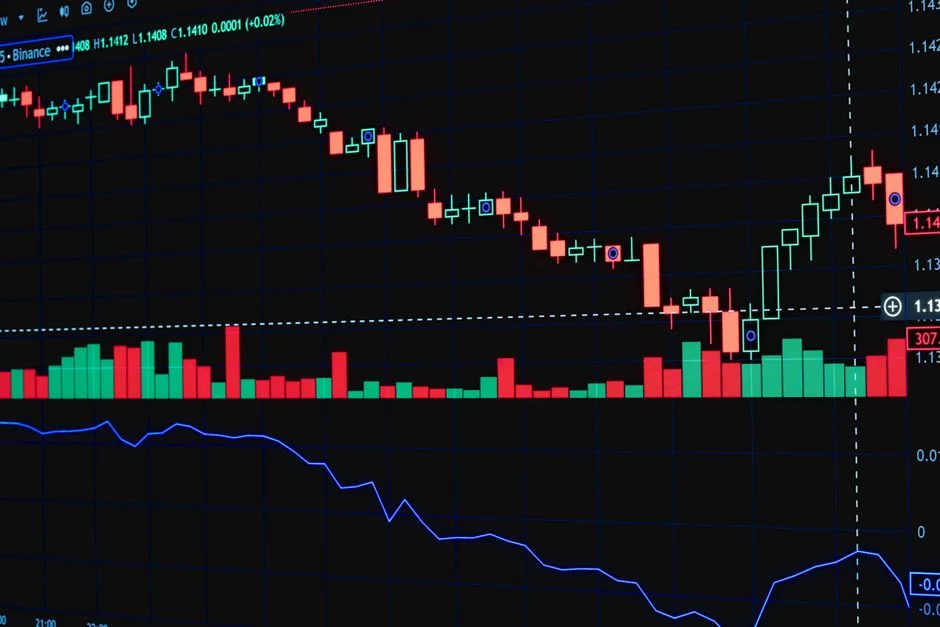
Stock futures edged higher on Monday as traders positioned themselves ahead of the critical wholesale inflation report, anticipating that cooling price data might alter the Federal Reserve’s trajectory. The upcoming Consumer Price Index (CPI) release is expected to show a deceleration in inflation, yet the central bank’s ability to prevent a rate hike remains uncertain. This single data point carries disproportionate weight because it directly influences borrowing costs for technology firms, semiconductor manufacturers, and startup valuations across the United States.
Market Reaction to Anticipated Inflation Data
Traders are currently navigating a volatile environment where every percentage point in the CPI report translates into billions in market capitalization for growth-oriented sectors. The trending search term "cpi" indicates that retail and institutional investors alike are closely monitoring this specific metric as a proxy for the broader economic health. When inflation cools, it typically reduces the pressure on the Federal Reserve to maintain aggressive interest rate hikes, which in turn lowers the discount rate applied to future earnings. This mechanism is particularly vital for technology companies that rely on cheap capital to fund research and development and customer acquisition.

The anticipated cooling in August’s inflation numbers suggests that the worst of the price surges might be behind us, but the Federal Reserve remains cautious. A lower-than-expected CPI could signal that the central bank’s previous tightening measures are finally taking effect, potentially allowing for a pause in rate increases. However, if the data shows persistent price growth in services or housing, the Fed may feel compelled to keep rates elevated for longer. This uncertainty is already pricing into the futures markets, where traders are betting on a delicate balance between controlling inflation and avoiding a recession that would cripple consumer spending.
Semiconductor stocks, which are highly sensitive to interest rate changes, are showing early signs of stability. These companies, which produce the chips essential for everything from smartphones to data centers, have seen their valuations compressed under high-rate environments. A positive CPI reading could provide a temporary reprieve, allowing these firms to refinance debt at more manageable rates and invest in next-generation manufacturing facilities. The commercial stakes are high because any shift in monetary policy directly impacts the cost of capital for hardware startups and large-scale infrastructure projects.
The broader implication of this inflation report extends beyond immediate stock movements. It affects the entire ecosystem of digital services, from cloud computing providers to e-commerce platforms. Higher interest rates increase the cost of borrowing for these businesses, which often operate on thin margins and rely on venture capital funding. If the CPI data confirms a trend toward price stability, it could unlock fresh capital for startups that have been struggling to secure funding. Conversely, persistent inflation would force these companies to cut costs, potentially delaying product launches and reducing hiring.
Investors are also watching the relationship between wholesale and retail inflation closely. The wholesale report often serves as an early indicator of what consumers will eventually pay, making it a leading signal for the CPI. If wholesale prices are rising slower than expected, it suggests that the pressure on consumer wallets will ease in the coming months. This dynamic is crucial for retail technology platforms that depend on consistent consumer spending to drive revenue growth. A drop in wholesale inflation could signal a healthier environment for digital retail and subscription-based services.
Why US Inflation Data Drives Global Tech Strategy
The Consumer Price Index is not just a domestic metric; it is a global barometer for technology adoption and investment. When inflation cools in the United States, it often leads to a weakening of the dollar, which makes American tech exports more competitive globally. This shift can boost revenue for US-based software companies and hardware manufacturers that sell to international markets. The connection between US inflation data and global tech strategy is direct and measurable, influencing everything from pricing models to supply chain decisions.
For the artificial intelligence sector, stable inflation is a prerequisite for sustained investment. AI startups require massive upfront capital to build data centers and train large language models. High interest rates make this capital expensive, forcing companies to choose between rapid expansion and financial sustainability. If the August CPI report shows significant cooling, it could reduce the cost of capital for AI firms, allowing them to accelerate their product development cycles. This would likely result in a surge of new AI applications and platforms entering the market, increasing competition and driving innovation.
The telecommunications industry is also feeling the pinch of high rates. Telecom companies are capital-intensive businesses that require continuous investment in 5G and fiber optic infrastructure. Any reduction in inflationary pressure can lower their borrowing costs, enabling them to expand network coverage more quickly. This expansion is critical for supporting the growing demand for data-intensive applications, including streaming services and remote work platforms. The commercial impact of a favorable CPI report could be seen in faster deployment of next-generation network technologies across the country.
Cybersecurity firms, which often go public during periods of market volatility, are closely watching these economic indicators. A stable economic environment with controlled inflation tends to encourage venture capital investment in security startups. These companies provide essential protection for digital infrastructure, and their growth is tied to the overall health of the tech sector. If the CPI data suggests that inflation is under control, it could trigger a wave of new funding for cybersecurity startups, leading to more advanced threat detection systems and improved security protocols for enterprises.
The ripple effects of US inflation data extend to the semiconductor industry as well. Chip manufacturers are currently navigating a complex landscape of supply chain disruptions and fluctuating demand. Lower inflation could signal a stabilization in demand, allowing these companies to plan their production schedules more effectively. This stability is crucial for maintaining the supply of chips needed for everything from electric vehicles to smart home devices. The commercial stakes are high because any disruption in chip supply can delay product launches and increase costs for downstream manufacturers.
Furthermore, the cpi report influences the valuation of platform companies that rely on advertising revenue. When inflation is high, consumers tend to cut back on discretionary spending, which reduces the amount of money available for digital ads. A cooling inflation trend could lead to increased advertising spend, benefiting major tech platforms that derive a significant portion of their revenue from this source. This shift would likely result in higher stock prices for these companies and increased investment in new advertising technologies.
Commercial Stakes and Future Implications
The upcoming CPI report is a pivotal moment for the technology sector, with potential consequences that will shape the industry for months to come. A positive reading could lead to a sustained rally in tech stocks, while a negative one could trigger a sell-off. The market’s reaction will depend not just on the headline number, but on the underlying components of the index, such as housing costs and service prices. These details provide insight into whether the inflation trend is truly reversing or if it is merely a temporary fluctuation.
For startups, the timing of this report is critical. Many companies are planning their next funding rounds and product launches based on current interest rate expectations. A favorable CPI report could provide the confidence needed to secure funding at better valuations. This would allow startups to focus on growth rather than survival, leading to a more vibrant and competitive market. The commercial impact of this shift could be seen in a surge of new product launches and partnerships in the coming quarters.
The telecommunications sector is also preparing for potential changes in regulatory and economic conditions. Lower inflation could lead to increased consumer spending on data plans and devices, boosting revenue for telecom operators. This would enable them to invest more in network infrastructure, improving service quality and coverage. The competitive advantage gained by early adopters of new technologies could be significant, as they would be able to offer better services at lower costs.
Cybersecurity remains a top priority for businesses of all sizes, and the economic environment plays a crucial role in determining how much companies are willing to spend on security solutions. A stable economic outlook with controlled inflation could lead to increased budgets for cybersecurity, allowing companies to adopt more advanced protection systems. This would result in a more secure digital environment for consumers and businesses alike, reducing the risk of data breaches and cyberattacks.
The semiconductor industry is poised for potential growth if inflation continues to cool. Lower interest rates would make it cheaper for companies to invest in new manufacturing facilities and research projects. This would lead to an increase in the supply of chips, driving down costs and making technology more accessible to consumers. The competitive advantage gained by companies that can produce chips more efficiently could be significant, as they would be able to offer better products at lower prices.
As the market awaits the CPI report, all eyes are on the Federal Reserve’s next move. The central bank’s response to this data will determine the direction of interest rates for the foreseeable future. A cautious approach could lead to a period of stability, while a more aggressive stance could trigger volatility. The commercial implications of this decision will be felt across the entire technology sector, from hardware manufacturers to software developers. Investors will be closely monitoring the market’s reaction to gauge the likelihood of a rate hike or a pause.
The cpi economy update will serve as a key indicator of the broader economic health, influencing everything from consumer spending to business investment. A positive reading could lead to increased confidence in the market, encouraging more investment in technology and innovation. This would result in a more dynamic and competitive industry, with new players entering the market and established companies expanding their offerings. The US explained to the world is that its economic policies have far-reaching consequences for the global tech sector.
The US analysis of the inflation data will also provide insights into the effectiveness of the Federal Reserve’s monetary policy. If the data shows that inflation is cooling as expected, it could validate the central bank’s strategy and lead to a more optimistic outlook. This would likely result in increased investment in technology and innovation, driving growth and job creation. The why US matters for the global economy is evident in the way its inflation data influences market sentiment and investment decisions worldwide.
Looking ahead, the next few weeks will be crucial for determining the trajectory of the technology sector. Investors will be watching for any signs of a sustained cooling in inflation, which could lead to a more favorable interest rate environment. This would provide a boost to growth-oriented companies and startups, allowing them to pursue ambitious expansion plans. The commercial stakes are high, and the outcome of this inflation report could shape the industry for years to come.
Traders should prepare for potential volatility in the hours following the CPI release. The market’s reaction will depend on how the data compares to expectations and how the Federal Reserve responds. A positive surprise could lead to a rally in tech stocks, while a negative one could trigger a sell-off. Investors should monitor the market’s reaction closely to gauge the likelihood of a rate hike or a pause, and adjust their portfolios accordingly.
The upcoming inflation report is a critical juncture for the technology sector, with far-reaching implications for startups, established companies, and investors alike. A favorable reading could lead to a period of stability and growth, while a negative one could trigger volatility and uncertainty. The commercial impact of this event will be felt across the entire industry, from hardware manufacturers to software developers. The US economy’s performance will continue to be a key driver of global tech trends, and the world will be watching closely to see how the data unfolds.
Markets will remain on edge until the data is released, with traders adjusting their positions in anticipation of the Federal Reserve’s next move. The outcome of this report could determine the direction of interest rates for the rest of the year, influencing borrowing costs for businesses and consumers alike. The technology sector is poised to benefit from a stable economic environment, and a positive CPI reading could provide the catalyst needed for a sustained rally. Investors should stay informed and be prepared for any scenario, as the implications of this report will extend far beyond the immediate market reaction.
See Also
- China Registers Five-Year High in New Unicorns as AI Boom Accelerates
- Club Sport Marítimo Celebrates 125 Years Amid PT Economic Shifts
A cooling inflation trend could lead to increased advertising spend, benefiting major tech platforms that derive a significant portion of their revenue from this source. The cpi economy update will serve as a key indicator of the broader economic health, influencing everything from consumer spending to business investment.