SpaceX has closed a secondary share offering that raised roughly $10 billion more than market participants had anticipated, according to people familiar with the transaction. The sale, which attracted demand roughly five times greater than the shares available, signals extraordinary investor appetite for exposure to Elon Musk's space venture. The deal values the company at approximately $350 billion, making it one of the most valuable private enterprises in history.
Unprecedented Institutional Demand
The offering drew participation from major institutional investors across New York, London, and other financial centres, with asset managers competing aggressively for allocation. Morgan Stanley and Goldman Sachs managed the sale, according to securities filings reviewed by financial publications. The level of oversubscription stunned even veteran Wall Street bankers accustomed to large technology offerings.
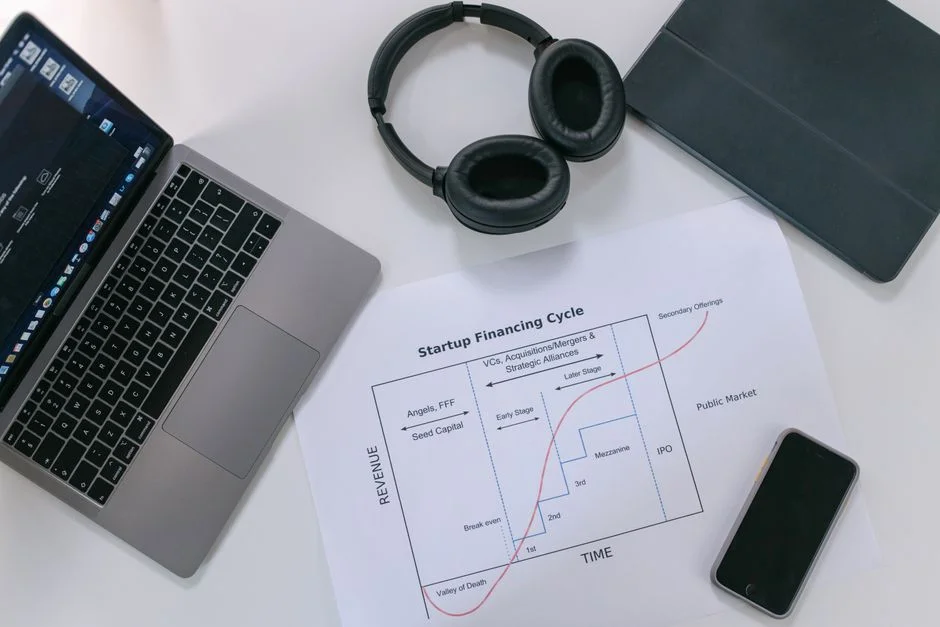
Demand for SpaceX shares has consistently outpaced supply at every funding round for the past several years. The company has deliberately kept its secondary offering size modest, preferring to manage valuation pressure rather than dilute early shareholders excessively. That restraint appears to have backfired in spectacular fashion, with the latest sale drawing more than $50 billion in investor orders against a roughly $10 billion target.
Who Bought the Shares
The secondary offering allowed existing shareholders including employees and early investors to sell shares while introducing new institutional holders to the register. Fidelity Investments participated alongside several sovereign wealth funds from the Middle East and Asia, the people familiar said. The expansion of the shareholder base suggests SpaceX is laying groundwork for a potential public listing further down the road.
New institutional investors included at least two technology-focused mutual funds with mandates to hold growth equities for extended periods. Their involvement indicates professional fund managers view SpaceX as a core holding rather than a speculative trade. That shift in investor profile carries implications for how the company might eventually approach an initial public offering.
What the Capital Means for SpaceX
The $10 billion windfall provides SpaceX with substantial financial firepower to accelerate multiple concurrent programmes. The company has been pouring resources into Starship, its next-generation heavy-lift rocket designed to eventually carry passengers to the Moon and Mars. Development costs for the vehicle have exceeded initial estimates as the programme works through repeated test flight anomalies.
Starlink Expansion Plans
The capital also funds continued expansion of Starlink, SpaceX's satellite internet constellation that already numbers more than 6,000 active spacecraft. The service has signed contracts with several commercial airlines and is pursuing government connectivity deals in multiple countries. Maintaining the launch cadence required to keep the constellation growing demands consistent capital investment in both rockets and satellites.
NASA depends on SpaceX for cargo and eventually crew transport to the International Space Station under existing contracts worth several billion dollars combined. The agency is also counting on a Starship variant to land astronauts on the lunar surface as part of the Artemis programme. Disruption to SpaceX funding could delay those national objectives.
Market Context and Valuation
At a $350 billion valuation, SpaceX surpasses the market capitalisation of most listed companies in the aerospace and defence sector combined. Lockheed Martin, the world's largest defence contractor by revenue, trades at roughly $120 billion. Boeing, struggling with commercial aviation losses and spacecraft development challenges, sits below $100 billion.
The valuation reflects investor expectations that SpaceX will eventually list publicly at a significant premium to its current implied worth. Secondary transactions in private shares have consistently traded above the last round price, indicating shareholder confidence in future appreciation. The gap between private and anticipated public valuation creates incentives for early investors to continue holding rather than selling.
Implications for the Space Industry
The offering's success demonstrates that institutional capital will support commercial space ventures at valuations previously reserved for mature technology platforms. Venture capital and growth equity funds that previously shied away from capital-intensive space businesses may reconsider their stance. Other private space companies eyeing future fundraising rounds will point to SpaceX's result as evidence of market receptivity.
Competitors including Jeff Bezos's Blue Origin and United Launch Alliance have relied heavily on government contracts and a small number of institutional backers. A SpaceX public listing would create a benchmark valuation that forces rivals to justify their own funding rounds or accept meaningful discounts. The competitive dynamic could trigger consolidation as smaller players seek scale or acquisition.
Investor Strategy and Future Listing
SpaceX has repeatedly stated it has no immediate plans for an initial public offering, preferring to avoid the scrutiny and reporting requirements of public markets. The company's willingness to accept secondary offerings at current valuations suggests it prioritises liquidity for existing shareholders over maximising short-term capital intake. That calculus may shift as the business matures and growth opportunities become more capital-light.
Major investment banks have reportedly pitched SpaceX leadership on structured listing options, including direct listings that would allow shareholders to sell without issuing new shares. Those conversations have not progressed to a formal decision, people familiar with the discussions said. The outcome of future funding rounds and Starship development milestones will likely influence timing.
What happens next will draw close attention from markets. The $10 billion injection buys SpaceX years of runway without external funding, removing pressure to list before it is ready. Investors with allocation in this offering now hold a significantly more valuable position than they did a week ago. Whether that paper gain converts to liquid returns depends on decisions yet to be made in Hawthorne, California.
See Also
- Grammarly Launches Enhanced AI Tools That Transform Business Productivity
- Peter Thiel Resettles in Argentina — Impacts on US Tech Investments Loom