A new humanoid robot has entered the market, combining Chinese manufacturing prowess with American artificial intelligence technology in a project that investors say could reshape the robotics industry. The 6-foot-tall machine, backed by chip giant Nvidia, represents a rare cross-border collaboration in a sector where geopolitical tensions have increasingly divided supply chains.
Inside the Robot's Dual Heritage
The robot's body was manufactured in China, taking advantage of the country's extensive industrial base for robotics components. Its "brain," however, runs on American technology developed by teams including Spencer Huang, whose work on AI systems has drawn attention from venture capital firms seeking exposure to the next wave of automation.
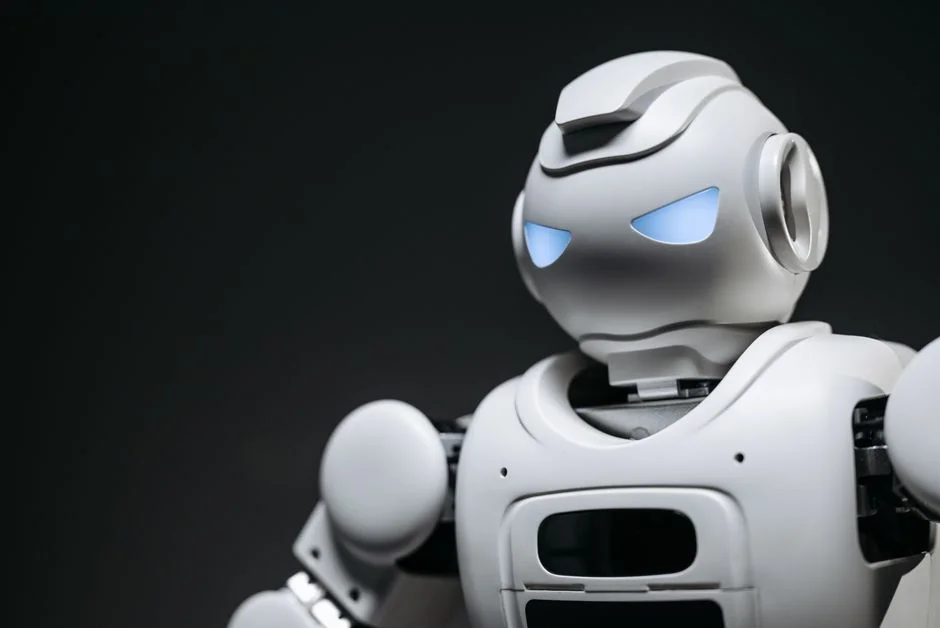
Nvidia's involvement centers on providing the processing power needed to give the machine its autonomous capabilities. The chipmaker has been expanding beyond its traditional graphics card business into broader AI applications, and the humanoid robotics market represents a significant growth opportunity.
The result is a 6-foot-tall machine designed for tasks ranging from warehouse logistics to customer service environments. Early demonstrations show fluid movement and the ability to process natural language commands in real time.
Why the Market Is Taking Notice
The robotics sector has been searching for a breakthrough consumer application for years. Industrial robots have dominated the market, confined to factory floors and operating behind safety barriers. Humanoid robots designed to work alongside humans represent a larger potential market, but manufacturing costs have kept many prototypes out of commercial reach.
By splitting development between two countries with complementary strengths, the project sidesteps restrictions that have complicated other tech collaborations. American chip designers bring advanced AI capabilities, while Chinese factories offer scale and speed in physical manufacturing.
The approach reflects a broader trend in global tech: rather than building entire supply chains domestically, companies increasingly source components where each delivers the best value. This strategy has drawn interest from investors who view it as a model for navigating geopolitical headwinds.
Nvidia's Bet on Robotics
Nvidia has committed significant resources to robotics research in recent years. The company's Jetson platform provides computing power for autonomous machines, and partnerships with robotics developers have accelerated as the market matures. Industry analysts estimate the global humanoid robot market could reach $38 billion by 2035.
The company declined to specify the exact specifications of the processors powering the new robot, but executives described the collaboration as part of a longer-term strategy to embed Nvidia technology into everyday machines.
Spencer Huang, whose name appears in project documentation reviewed by reporters, has previously worked on autonomous systems at several Silicon Valley startups. His involvement suggests the project draws on expertise from the American AI cluster rather than relying solely on established corporate research labs.
Geopolitical Complications Remain
Despite the project's success in combining American and Chinese elements, broader tensions between the two countries continue to cast uncertainty over similar collaborations. Export controls on advanced semiconductors have complicated technology transfer, and several joint ventures have stalled or collapsed under regulatory pressure.
The robot project appears to have navigated these challenges by keeping AI development in the United States while shifting physical production across the border. This structure may prove fragile if either government tightens restrictions further.
Companies in both countries are watching the outcome closely. A successful commercial launch would validate the cross-border model, while any regulatory pushback could discourage future partnerships of this type.
What Comes Next
The developers have announced plans for limited commercial deployment in Singapore and San Francisco before expanding to other markets. Pricing details remain under wraps, but industry observers expect the robot to carry a premium price tag initially, with costs declining as manufacturing scales up.
Investors will be watching the first deployments closely for data on reliability, maintenance costs, and customer adoption. Those metrics will determine whether the project attracts additional funding or struggles to find buyers in a market still learning to trust autonomous machines.
See Also
- Musk’s Sperm Donation Claim Exposes Tesla’s CEO Risk
- India's Exit Polls Shake Market Confidence — Investors Brace for Turmoil
His involvement suggests the project draws on expertise from the American AI cluster rather than relying solely on established corporate research labs. Nvidia's Bet on Robotics Nvidia has committed significant resources to robotics research in recent years.
What is the latest news about nvidiabacked humanoid robot unites chinese manufacturing with american ai?
Why does this matter for artificial-intelligence?
What are the key facts about nvidiabacked humanoid robot unites chinese manufacturing with american ai?