The India Institute of Technology in Noida hosted the inaugural Dron-o-war 1.0, signaling a decisive shift in India’s strategic approach to unmanned aerial vehicles. This event is not merely a local exhibition but a critical node in a broader economic strategy aimed at capturing global market share. Investors are watching closely as the drone ecosystem transitions from a niche experimental sector into a robust industrial pillar.
Noida Emerges as a Strategic Tech Hub
Noida, located in the National Capital Region, has long been known for its IT parks and manufacturing zones. However, the integration of advanced defense technology into its existing infrastructure marks a new phase for the city. The presence of Dron-o-war 1.0 highlights how regional cities are competing to attract high-value investments. This competition drives down costs for businesses looking to set up operations outside of traditional hubs like Bangalore or Hyderabad.
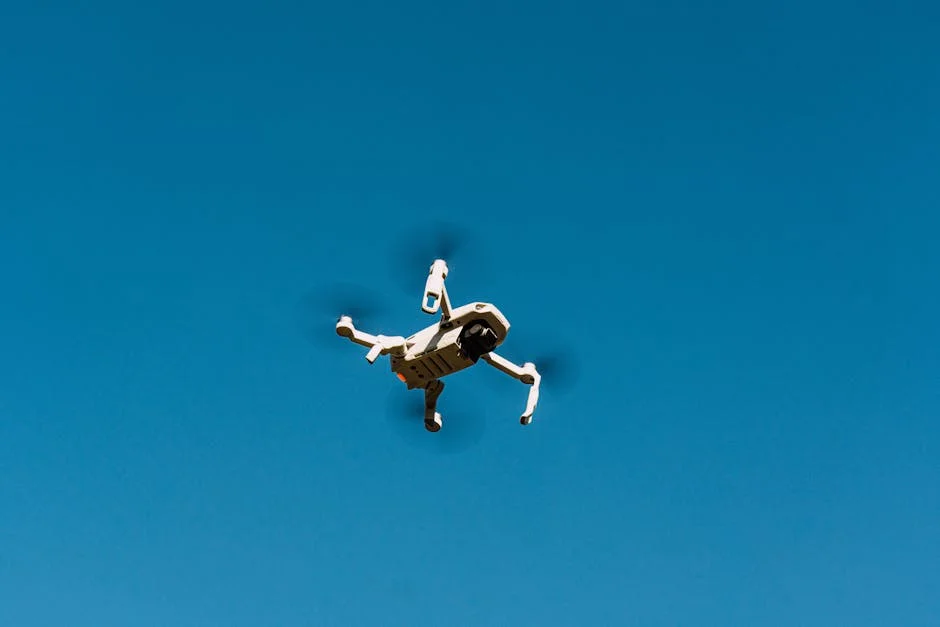
The economic implications for Noida are immediate and tangible. Local real estate values in industrial corridors are seeing upward pressure as logistics firms and tech startups relocate to be closer to supply chains. This migration of capital creates a ripple effect, boosting service sectors ranging from hospitality to specialized engineering services. The city is effectively rebranding itself as a dual-use technology zone.
Infrastructure and Logistics Advantages
The proximity to Delhi’s international airport provides a unique logistical advantage for drone manufacturers. Quick access to global markets allows for faster prototyping and quicker delivery of goods to international clients. This speed is a critical differentiator in the fast-moving consumer electronics and defense sectors. Companies can reduce lead times significantly compared to competitors located in more remote industrial estates.
Furthermore, the existing power and data infrastructure in Noida supports the energy-intensive nature of drone testing and manufacturing. Reliable electricity and high-speed fiber optics are essential for the precision engineering required in modern drone production. This reliability reduces operational risks for investors, making the region more attractive for long-term capital deployment. The infrastructure is no longer just a supporting actor but a primary selling point for the region.
Market Dynamics and Investment Flows
The Indian drone market is projected to grow exponentially over the next five years. Domestic demand is being driven by agricultural monitoring, real estate surveys, and last-mile delivery services. However, the real economic prize lies in exports, particularly to the Middle East and Southeast Asia. These regions are looking for cost-effective alternatives to European and American drone manufacturers. India is positioning itself to fill this gap with competitive pricing and customizable features.
Investors are responding to this shift by pouring capital into local startups. Venture capital firms are increasingly viewing the drone sector as a high-growth asset class. The influx of foreign direct investment is helping to modernize manufacturing facilities and upgrade research and development labs. This capital injection is crucial for scaling production to meet both domestic and international demand. The financial markets are beginning to price in the potential of this sector.
Businesses are also forming strategic partnerships to strengthen their market position. Collaborations between software firms and hardware manufacturers are creating more integrated solutions for end-users. These partnerships reduce the fragmentation that has historically plagued the drone industry. By offering end-to-end solutions, Indian companies can command higher profit margins and build stronger brand loyalty. This consolidation is a positive sign for market stability.
Leadership and Policy Influence
Key figures in the region are playing a pivotal role in shaping the narrative around the drone ecosystem. Anil Chandra Chait, a prominent name associated with the recent developments, has been instrumental in bridging the gap between policy makers and industry leaders. His efforts have helped to streamline regulatory approvals, which is often a bottleneck for tech startups. This leadership is crucial for maintaining momentum in a rapidly evolving market.
The political will to support the drone sector is evident in the various incentives offered to manufacturers. Tax breaks, subsidies, and dedicated zones are making India an attractive destination for drone production. These policies are designed to reduce the initial capital expenditure required for setting up new facilities. This financial relief allows companies to reinvest in innovation and talent acquisition. The policy framework is becoming more coherent and business-friendly.
Understanding the role of individuals like Anil Chandra Chait is important for investors looking to gauge the stability of the sector. His involvement suggests a strong local commitment to the industry’s growth. This local buy-in reduces the risk of policy reversals that can often plague emerging markets. Investors value this level of engagement as it provides a degree of predictability in an otherwise volatile environment. The human element remains a critical factor in economic development.
Global Trade Implications
India’s rise in the drone sector has direct implications for global trade dynamics. As India increases its export volume, traditional leaders like the United States and China face increased competition. This competition is forcing established players to innovate and reduce costs to maintain their market share. The entry of a strong Indian competitor is beneficial for global buyers who gain more negotiating power. This shift could lead to a more diversified and resilient global supply chain.
The United States is particularly interested in India’s drone capabilities due to strategic alliances in the Indo-Pacific region. Joint ventures and technology transfers are likely to increase as both countries seek to counterbalance Chinese influence. This geopolitical dimension adds another layer of value to Indian drone companies. They are not just selling products but also strategic assets that enhance regional security. This dual-use potential makes the sector even more attractive to government and private investors alike.
Trade agreements and tariffs will play a crucial role in determining the pace of India’s expansion. Favorable trade terms can open up new markets for Indian drones, while protectionist policies can hinder growth. Indian policymakers are actively negotiating to secure better access to key markets. These diplomatic efforts are as important as the technological advancements themselves. The interplay between trade policy and technology is shaping the future of the industry.
Challenges and Risks
Despite the optimism, the sector faces several challenges that could impact its growth trajectory. Supply chain disruptions, particularly in semiconductors and batteries, remain a persistent threat. Global shortages can lead to production delays and increased costs for manufacturers. Indian companies need to diversify their supplier base to mitigate these risks. This requires significant investment in supplier relationships and inventory management.
Regulatory hurdles in international markets also pose a challenge. Different countries have varying standards for drone certification and operation. Navigating these complex regulatory landscapes requires expertise and resources. Smaller startups may struggle to keep up with the compliance costs, leading to potential consolidation in the market. Larger firms with deeper pockets may have an advantage in this regard. The regulatory environment will continue to evolve, requiring constant adaptation.
Talent acquisition is another critical issue. The demand for skilled engineers and data scientists is outpacing the supply. Universities and training institutes need to ramp up their output to meet the industry’s needs. Without a steady stream of qualified professionals, the sector’s growth could stall. Investing in education and training is therefore a strategic priority for both the public and private sectors. The human capital base is the foundation of the industry’s future success.
Future Outlook and Strategic Moves
The next few years will be critical for the Indian drone sector. Companies need to scale their operations efficiently to capture the growing market share. Strategic mergers and acquisitions are likely to become more common as firms seek to consolidate their positions. This consolidation will lead to the emergence of a few large players with global reach. Investors should watch for these moves as they signal the maturation of the market.
Innovation will continue to drive growth in the sector. Advances in artificial intelligence and battery technology will open up new applications for drones. Autonomous delivery systems and swarm technology are two areas with high potential. Companies that invest heavily in R&D will have a competitive edge in the long run. The pace of innovation will determine which companies survive and thrive in this dynamic environment.
Stakeholders should monitor upcoming policy announcements and trade agreements for further clarity. The government is expected to unveil new incentives to boost exports and attract foreign investment. These policies will provide a clearer roadmap for businesses and investors. The focus will shift from initial setup to scaling and global expansion. The next phase of growth will be defined by execution and strategic positioning in the global arena.
See Also
- Starmer Warns of Fragile US-Iran Ceasefire in Hormuz Talks
- Jess Phillips Warns of False Abuse Claims — Impact on UK Immigration Policy
Indian policymakers are actively negotiating to secure better access to key markets. These diplomatic efforts are as important as the technological advancements themselves.
What is the latest news about indias drone sector surges as noida event signals new export boom?
Why does this matter for politics-world?
What are the key facts about indias drone sector surges as noida event signals new export boom?