The Portuguese Parliament has voted to strip the parliamentary immunity of Socialist deputy Humberto Brito. This decisive move clears the path for judicial proceedings against one of the ruling party’s key figures. Investors are watching closely to see how this political shakeup will influence economic stability in Lisbon.
The decision marks a turning point in the ongoing legal battle involving the Socialist Party. Markets in Europe reacted with mild volatility as news broke from the assembly hall. Business leaders in Porto and Lisbon are assessing the potential ripple effects on national policy continuity.
Immunity Lifted: The Political Mechanism
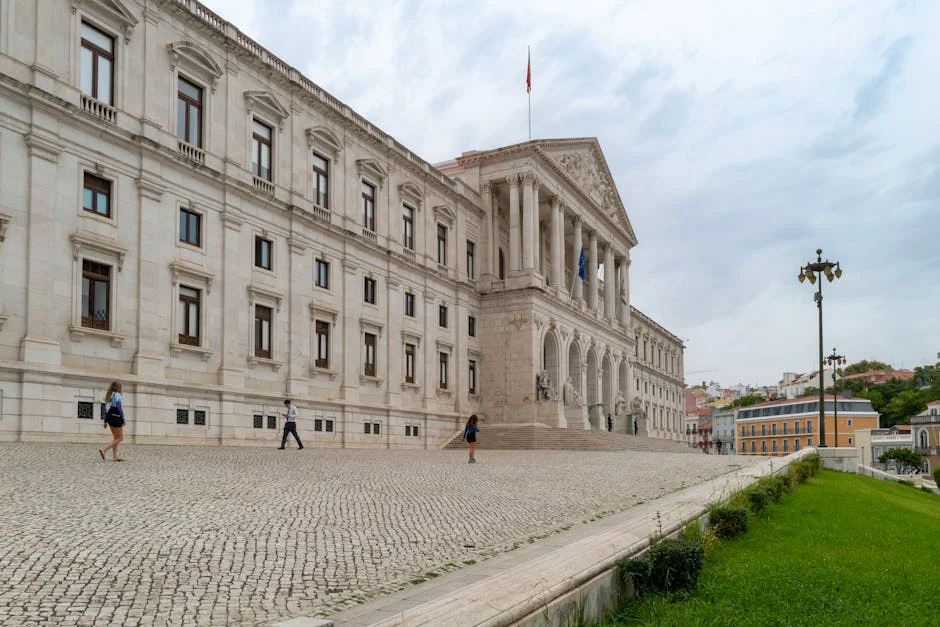
Parliamentary immunity is a legal shield that protects legislators from arrest or trial without the assembly’s consent. The vote to lift this protection for Humberto Brito was not unanimous, reflecting deep divisions within the legislature. The process requires a simple majority, which the ruling coalition secured after hours of debate.
The move signals that no politician is above the law, a message intended to reassure the public and international partners. However, it also introduces uncertainty into the political landscape. Analysts warn that prolonged legal battles can distract lawmakers from pressing economic issues.
Critics argue that the timing of the vote is strategic, aimed at weakening the opposition before the next budget cycle. Supporters counter that justice must proceed without political interference. The outcome sets a precedent for future cases involving high-profile members of the Socialist Party.
Market Reaction and Investor Sentiment
Financial markets are sensitive to political stability, and the stripping of Brito’s immunity has introduced a new variable. The Euro Stoxx 50 index saw a slight dip during midday trading, though gains were recovered by the close. Currency markets remained relatively stable, with the Euro holding steady against the Dollar.
Investors are particularly concerned about the potential impact on government spending. If Brito’s legal troubles lead to a cabinet reshuffle, key economic reforms could face delays. This uncertainty may cause foreign direct investment to slow down in the short term.
Bond yields in Portugal have ticked up slightly, reflecting a modest increase in the country’s risk premium. Credit rating agencies have placed the situation under review, though a downgrade is not immediate. The market’s reaction underscores the link between political cohesion and economic confidence.
Impact on Business Confidence in Porto
The city of Porto, a major economic hub, is feeling the early effects of this political shift. Local business leaders express concern that political instability could delay infrastructure projects funded by the national budget. These projects are crucial for the region’s growth and competitiveness.
Companies in Porto are monitoring the situation closely, particularly those in the technology and tourism sectors. Any disruption in government policy could affect tax incentives and regulatory frameworks. The local chamber of commerce has called for clarity from the Prime Minister’s office.
Despite the uncertainty, many businesses remain optimistic about Portugal’s long-term economic prospects. The country’s low debt-to-GDP ratio and strong tourism sector provide a buffer against political shocks. However, sustained stability is essential to maintain investor confidence.
Humberto Brito’s Role and Legal Challenges
Humberto Brito is a prominent figure in the Socialist Party, known for his work on economic legislation. His immunity was lifted in connection with a corruption probe involving public contracts. The case centers on allegations of favoritism in the awarding of infrastructure deals.
The legal proceedings against Brito are expected to be lengthy and complex. He has pleaded not guilty, citing procedural errors in the investigation. The outcome of his trial could set a precedent for how political corruption is handled in Portugal.
Brito’s supporters argue that the case is politically motivated, designed to weaken the Socialist Party ahead of the next election. Opponents counter that the evidence is compelling and that justice must be served. The debate has intensified partisan tensions in the assembly.
Implications for Economic Policy
The political turmoil surrounding Humberto Brito raises questions about the continuity of economic policy. Key reforms, including changes to the corporate tax structure, may face delays. Businesses are calling for stability to ensure that investment plans can proceed without interruption.
The government has pledged to keep the economy as a top priority, despite the political distractions. The Finance Minister has emphasized that the budget deficit remains under control. However, markets will look for concrete actions to back up these assurances.
Investors are also watching how the opposition will respond to the immunity vote. If the opposition leverages the issue to block key legislation, the economic agenda could stall. This scenario would increase uncertainty and potentially slow down economic growth.
Regional Focus: Why Porto Matters
Porto is not just a cultural capital; it is an economic engine for northern Portugal. The region has seen significant growth in recent years, driven by technology startups and tourism. Political stability in Lisbon directly impacts the business climate in Porto.
Local authorities in Porto have welcomed the national government’s investment in infrastructure. However, they are wary of any political disruptions that could delay these projects. The region’s economy is closely tied to national policy decisions, making the Brito case relevant to local businesses.
The business community in Porto is calling for a swift resolution to the legal case. Prolonged uncertainty could deter foreign investors who are looking for a stable environment. The city’s competitiveness depends on both local initiatives and national political stability.
Global Perspective: US and European Views
International observers are watching the case as a test of Portugal’s democratic institutions. The United States, a key trading partner, values political stability in its European allies. Any perception of judicial independence is crucial for maintaining strong diplomatic and economic ties.
European markets are also monitoring the situation, particularly as Portugal prepares for upcoming EU budget negotiations. Political instability in member states can affect the broader European economic outlook. Investors are looking for signs that the Portuguese government can manage the crisis effectively.
The case has drawn attention from international media, highlighting the intersection of politics and law in Europe. Analysts suggest that the outcome could influence how other countries handle similar cases. The global perspective adds another layer of complexity to the domestic political debate.
What to Watch Next
The next critical step is the scheduling of Humberto Brito’s trial. The court has set a preliminary hearing for next month, which will determine the timeline for the proceedings. Investors and businesses are waiting for this date to plan their strategies.
Political parties are likely to use the case to gain leverage in the upcoming budget negotiations. The ruling coalition must balance the need for political unity with the demand for judicial fairness. The outcome of these negotiations will have significant economic implications.
Readers should monitor the next parliamentary session for further developments. The government’s ability to pass key economic legislation will be a clear indicator of political stability. Watch for announcements from the Finance Ministry regarding the budget and tax reforms.
See Also
- Startup Offers Free Home Cleaning to Train Robots — Is This the Future?
- Trump's Oil Policies Send Wall Street Sliding Into Red
Analysts suggest that the outcome could influence how other countries handle similar cases. The government’s ability to pass key economic legislation will be a clear indicator of political stability.
What is the latest news about portuguese parliament strips socialist mps immunity markets react?
Why does this matter for artificial-intelligence?
What are the key facts about portuguese parliament strips socialist mps immunity markets react?