Amazon has officially launched its first commercial drone deliveries in the United Kingdom, marking a pivotal moment for the e-commerce giant and the broader logistics sector. This initiative sees autonomous aircraft transporting small parcels to residential areas in Oxfordshire, testing the viability of aerial logistics on a mass scale. The move signals a strategic pivot from ground-based congestion to sky-bound efficiency, with significant implications for supply chain investors and competitors alike.
Operational Launch in Oxfordshire
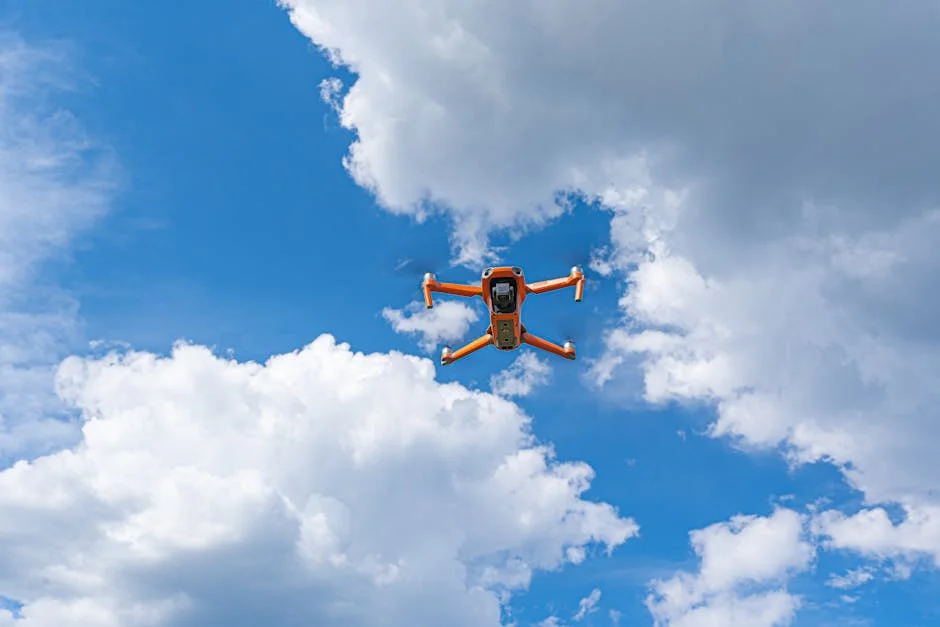
The initial rollout focuses on a specific corridor in Oxfordshire, where Amazon’s proprietary WingCopter drones have begun regular service. These solar-powered aircraft can carry packages weighing up to five pounds, delivering them to designated drop zones in under ten minutes. The location was chosen for its semi-urban landscape, which offers a balance of population density and airspace availability, crucial for early-stage operational testing.
Customers in the pilot zone receive a notification when their package is en route, allowing them to time their arrival at the smart mailbox or designated landing pad. This user experience aims to reduce the "last-mile" friction that has long plagued e-commerce retailers. By bypassing traditional road networks, Amazon reduces the dependency on van fleets, which are often slowed by traffic and parking constraints in dense neighborhoods.
The technology relies on advanced sensors and machine learning algorithms to navigate obstacles, monitor weather conditions, and ensure precise landing. Amazon has invested heavily in this infrastructure, partnering with local councils to secure right-of-way permissions. This regulatory collaboration is as critical as the hardware, as it sets a precedent for how cities will manage low-altitude airspace in the coming decade.
Impact on Last-Mile Logistics Markets
The introduction of drone delivery disrupts the traditional last-mile logistics model, which has seen costs rise by nearly 50% over the past five years. Ground delivery relies heavily on a fragmented network of couriers and gig-economy drivers, leading to unpredictable pricing and service levels. Amazon’s entry into the aerial market forces competitors to rethink their asset allocation and technological adoption strategies.
Investors in the logistics sector are closely monitoring Amazon’s unit economics. If drones can deliver packages at a cost per unit lower than the current average of $5.00, the profit margins for e-commerce retailers could expand significantly. This potential for cost reduction is driving interest in logistics technology stocks, as markets anticipate a wave of consolidation and innovation in the supply chain industry.
Competitive Response and Market Positioning
Competitors such as FedEx and UPS are not sitting idle. Both companies have initiated their own drone delivery pilots, though none have achieved the same scale of commercial operation as Amazon in the UK market. FedEx, for instance, has partnered with Zipline to deliver medical supplies and small parcels in specific regions, highlighting a slightly different strategic focus.
The competitive landscape is shifting from pure speed to reliability and cost-efficiency. Amazon’s brand recognition gives it a first-mover advantage, but operational consistency will determine long-term market share. Retailers that fail to integrate aerial delivery options risk losing premium customers who value convenience and rapid turnaround times. This dynamic is likely to accelerate M&A activity in the logistics technology space.
Investment Implications for Stakeholders
For investors, the success of Amazon’s drone initiative offers a tangible asset class beyond traditional retail metrics. The valuation of Amazon is increasingly tied to its technological ecosystem, and drone delivery represents a scalable asset that can generate recurring revenue. Analysts suggest that if the drone network expands to major metropolitan areas, it could unlock billions in value through improved delivery speed and reduced fuel costs.
However, the capital expenditure required to build and maintain a drone fleet is substantial. Investors must weigh the upfront costs of aircraft, charging infrastructure, and software development against the potential long-term savings. The payback period for these investments is a critical metric, and Amazon’s financial reports will be scrutinized for clues on the profitability of the aerial division.
Risk factors include regulatory changes, weather dependencies, and public acceptance. Any major incident involving a drone crash or data breach could stall adoption and impact stock prices. Therefore, diversified portfolios that include exposure to logistics technology should monitor Amazon’s operational updates closely to gauge the resilience of the drone business model.
Economic Effects on Local Communities
The economic impact on local communities in Oxfordshire is already becoming apparent. Small businesses in the pilot zone are leveraging Amazon’s drone network to offer faster delivery options, enhancing their competitiveness against larger retailers. This democratization of speed allows local shops to compete on convenience, a factor that has traditionally favored big-box stores with extensive distribution centers.
Employment patterns are also shifting. While drone delivery may reduce the need for traditional van drivers, it creates new roles in drone maintenance, air traffic control, and data analysis. The local labor market in Oxfordshire is adapting to these changes, with vocational training programs emerging to equip workers with the skills needed for the aerial logistics sector.
Consumer spending habits may also evolve. The convenience of near-instant delivery could encourage impulse buying and increase the frequency of online purchases. This behavioral shift could boost overall e-commerce volumes, benefiting not just Amazon but also third-party sellers on the platform. Economists predict that faster delivery times could increase customer lifetime value by reducing churn rates.
Regulatory Framework and Airspace Management
The success of drone delivery hinges on a robust regulatory framework. The UK’s Civil Aviation Authority (CAA) has worked closely with Amazon to establish guidelines for low-altitude flight paths, noise levels, and safety protocols. This collaboration provides a model for other countries looking to integrate drones into their national airspace systems.
Regulators face the challenge of balancing innovation with public safety. Issues such as privacy concerns, noise pollution, and potential collisions with other aircraft require careful management. The CAA’s approach to these issues will influence investor confidence and the speed at which other regions adopt drone delivery services. Clear and predictable regulations are essential for scaling operations.
International harmonization of drone regulations could further accelerate growth. If the UK’s model is adopted by the European Union and other major markets, Amazon and its competitors can achieve economies of scale more quickly. This global standardization would reduce the complexity of operating across borders, making drone delivery a more attractive proposition for international logistics firms.
Technological Innovations Driving Efficiency
Amazon’s drone technology continues to evolve, with new features being added to improve efficiency and reliability. The latest models include advanced battery systems that extend flight times and allow for longer range deliveries. These improvements reduce the need for frequent charging stations, making it easier to cover larger geographic areas with fewer assets.
Data analytics play a crucial role in optimizing drone routes and predicting demand. Amazon uses real-time data from its delivery network to adjust flight paths dynamically, avoiding weather disruptions and traffic congestion. This data-driven approach ensures that drones operate at peak efficiency, minimizing delays and maximizing customer satisfaction. The integration of AI into logistics operations is a key differentiator for Amazon.
Future developments may include larger drones capable of carrying heavier packages, expanding the range of products that can be delivered aerially. This expansion would further disrupt the traditional logistics model, potentially reducing the reliance on trucks for small to medium-sized parcels. Technological advancements will continue to drive down costs and improve service levels, making drone delivery a mainstream option for consumers.
Sustainability and Environmental Benefits
Sustainability is a major driver behind Amazon’s drone initiative. The company aims to achieve net-zero carbon emissions by 2040, and electric drones are a key component of this strategy. Compared to traditional delivery vans, drones produce significantly lower carbon emissions per package, contributing to a greener supply chain. This environmental benefit appeals to eco-conscious consumers and investors alike.
The reduction in van traffic also leads to less congestion and lower noise pollution in urban areas. This environmental impact is increasingly important to city planners and local governments, who are looking for ways to improve the quality of life for residents. Amazon’s drone network offers a solution that aligns with broader sustainability goals, enhancing the company’s brand image and social license to operate.
Future Outlook and Expansion Plans
Amazon has indicated that the Oxfordshire pilot is just the beginning. The company plans to expand its drone delivery network to other UK cities, including London and Manchester, within the next two years. This expansion will require further investment in infrastructure and regulatory approvals, but it also presents significant growth opportunities for Amazon and its partners.
Global expansion is also on the horizon. Amazon is testing drone delivery in the United States, Germany, and Japan, adapting its model to different market conditions and regulatory environments. Success in these key markets could establish drone delivery as a global standard, transforming the e-commerce landscape and creating new investment opportunities for stakeholders worldwide.
Investors and industry observers should watch for announcements regarding new pilot zones and technological upgrades. The pace of expansion will be a key indicator of the commercial viability of drone delivery. As Amazon scales its operations, the data generated will provide valuable insights into consumer behavior, operational efficiency, and cost structures, shaping the future of logistics.
See Also
- South Africa's Beauty Boom Triggers Digital Shift
- European Allies Resist U.S. War Push, Market Reactions Emerge