When the 2026 World Cup kicks off across 16 North American venues next summer, referees will rely on a semi-automated offside system that processes player positions in milliseconds. FIFA confirmed the technology deployment on Thursday, marking the first time a World Cup will use machine-learning-based tracking to assist video officials. The system uses 10 cameras per stadium feeding positional data to an AI model that flags offside calls before the VAR room even reviews the footage.
How the System Works
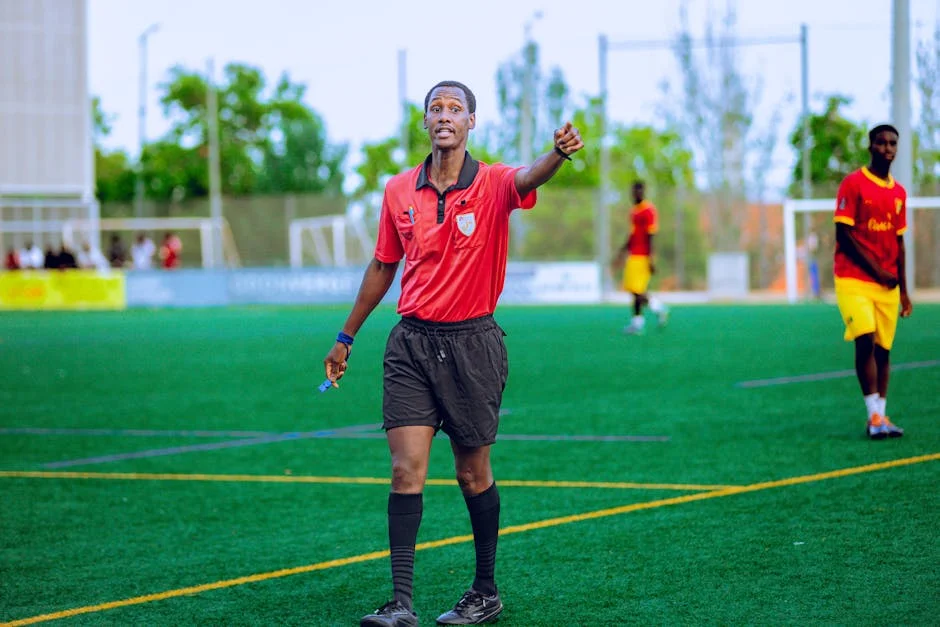
Each stadium will host a network of high-frame-rate cameras tracking all 22 players simultaneously. The data flows to an on-site server that computes body part positions at 50 frames per second. When the system detects an offside situation, it sends an alert to the referee via a wrist-mounted device. The entire process takes under two seconds, a fraction of the time current VAR reviews require. Referees still make the final call, but the technology eliminates the manual line-drawing that critics argue introduces human error into the process.

The system debuted at the 2022 Qatar World Cup as a proof of concept. Officials logged over 230 offside calls during that tournament, with the technology consistently outperforming traditional video review in speed and accuracy. FIFA's head of refereeing, Pierluigi Collina, called the 2026 rollout "the logical next step" in a statement to reporters in Zurich.
Broadcasters Bet on Cleaner Calls
Warner Bros. Discovery, which holds U.S. broadcasting rights for $2 billion, stands to benefit most from the upgrade. The network's executives have argued that faster, more definitive officiating reduces the stop-start nature of VAR reviews that dampens live viewership. Average match interruptions dropped from 70 seconds to under 20 seconds during the 2022 tournament's semi-automated trials. That difference matters significantly for advertisers paying premium rates during live broadcasts.
The advertising math is straightforward. A contentious offside call that requires three minutes of VAR review typically drives viewers to social media, fracturing the audience that networks sell to sponsors. Faster technology keeps eyes on the screen and reduces the viral moments where fans question officiating competence. Warner Bros. Discovery has not disclosed specific projections tied to the technology, but industry analysts estimate the network could recover 15-20% more viewership minutes during knockout stage matches if officiating controversies decline.
Tech Companies Circle the Contracts
The market for officiating technology is projected to reach $1.4 billion globally by 2030, according to data from market research firm SportBusiness Analytics. Hawk-Eye, a Sony subsidiary, currently holds the leading position in optical tracking for football, but smaller competitors like ChyronHego and DataRobot are positioning themselves as alternatives. The 2026 tournament contract alone could be worth $200-400 million across hardware, software licensing, and ongoing support.
What's at stake extends beyond the World Cup. A successful deployment in North America creates a reference installation that technology vendors can sell to domestic leagues, European clubs, and tournament organizers worldwide. That downstream revenue opportunity is what makes the FIFA contract so valuable. Companies winning World Cup business typically see 30-40% increases in domestic league inquiries within 18 months.
Stadium Infrastructure Pressures
Host nation stadium operators face pressure to retrofit venues with the camera infrastructure required by FIFA's new standard. The 11 U.S. venues selected for the tournament each need between 8 and 12 additional camera positions installed specifically for tracking purposes. Infrastructure costs per stadium range from $8 million to $15 million depending on existing technology stacks and physical constraints.
Sofi Stadium in Inglewood, California, and MetLife Stadium in East Rutherford, New Jersey, face the most complex installations given their existing broadcast infrastructure and architectural designs that can limit camera placement options. Stadium operators have declined to confirm specific retrofit budgets, but construction permits filed in both states suggest work is already underway.
What Happens Next
FIFA will use the 2025 Club World Cup as a final testing ground for the technology before the World Cup begins. That tournament runs from June 15 to July 13, 2025, and will feature 32 clubs competing across four U.S. venues. Results from those matches will determine whether any adjustments to the system are needed before the global tournament.
For investors tracking sports technology stocks, the next catalyst comes before the Club World Cup. FIFA's technical advisory committee will publish updated specifications for the system in March, which should clarify which vendors are positioned to win contracts. Hawk-Eye shares have already climbed 8% this quarter on speculation about the deal.
See Also
What is the latest news about fifa deploys new offside tech for 2026 world cup tech firms race for billions in contracts?
Why does this matter for technology?
What are the key facts about fifa deploys new offside tech for 2026 world cup tech firms race for billions in contracts?