In a world where technology is evolving at a breakneck pace, drone technology stands out as a transformative force across various industries. With the global commercial drone market projected to reach $43 billion by 2024, according to Business Insider, the impact of unmanned aerial vehicles (UAVs) is undeniable. As drones become more sophisticated, their applications continue to expand, revolutionizing sectors from agriculture to entertainment.
The Rise of Drones in Agriculture
Agriculture is one of the industries most significantly impacted by the advent of drone technology. With the world population expected to hit 9.7 billion by 2050, as per the United Nations, the demand for food production is surging. Drones offer a solution by increasing efficiency and productivity in farming operations.
Precision Farming with UAVs
Drones are becoming essential tools in precision agriculture, a farming management concept that uses information technology to ensure crops and soil receive exactly what they need for optimum health and productivity. UAVs are equipped with cameras and sensors that collect data on crop health, soil conditions, and moisture levels.
- Monitoring crop health with multispectral imaging
- Assessing field conditions using thermal imaging
- Efficient irrigation management
- Ensuring optimal seed planting
The Role of Drones in Sustainable Farming
Beyond just increasing yields, drones play a critical role in promoting sustainable agricultural practices. By enabling precise applications of water, fertilizers, and pesticides, drones minimize resource wastage and environmental impact. This precision helps reduce the carbon footprint of farming operations, contributing to global sustainability efforts.
- Reducing chemical runoff into water bodies
- Decreasing soil compaction by minimizing tractor use
- Enhancing biodiversity with targeted interventions
- Lowering greenhouse gas emissions through efficient practices
Drones Transforming Infrastructure and Construction
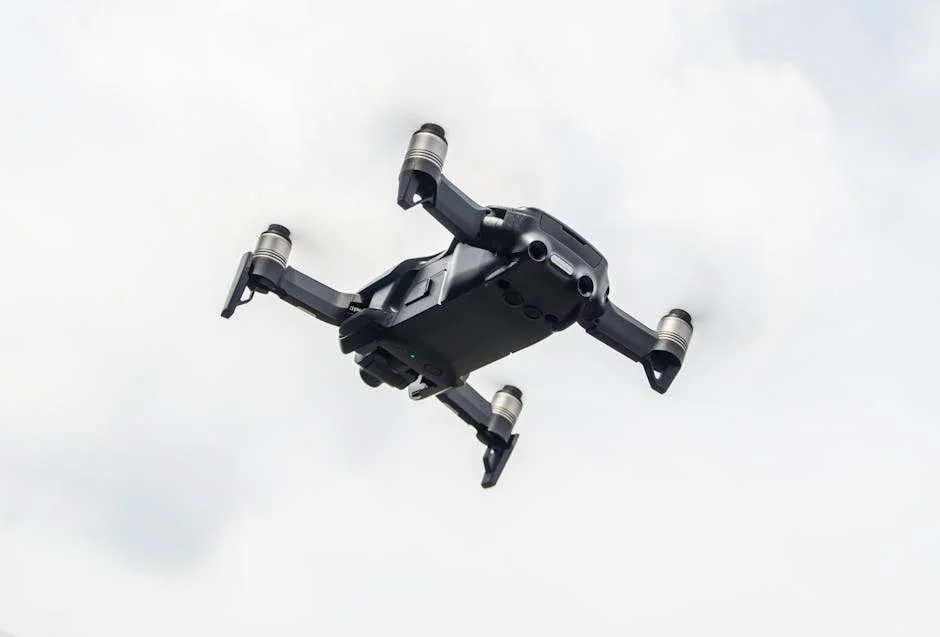
The construction and infrastructure sectors are experiencing a paradigm shift thanks to drone technology. UAVs provide a cost-effective and efficient means to survey sites and monitor construction progress, significantly reducing project timelines and expenses.
Efficient Surveying and Mapping
Traditional methods of surveying and mapping require substantial time and labor, but drones streamline these processes. UAVs equipped with advanced cameras and LiDAR technology can quickly generate detailed 3D maps and models of construction sites.
- Rapid data collection and processing
- High-resolution aerial imagery for accurate mapping
- Real-time tracking of construction progress
- Improved safety by minimizing human presence on-site
Enhancing Project Management
Drone technology is not only about data collection; it's an integral part of modern project management. UAVs allow project managers to monitor construction sites remotely, facilitating better decision-making and communication among teams.
- Remote site inspections and progress monitoring
- Effective resource allocation and management
- Enhancing collaboration through shared data
- Minimizing delays with real-time updates
Consumer Drones: A Booming Market
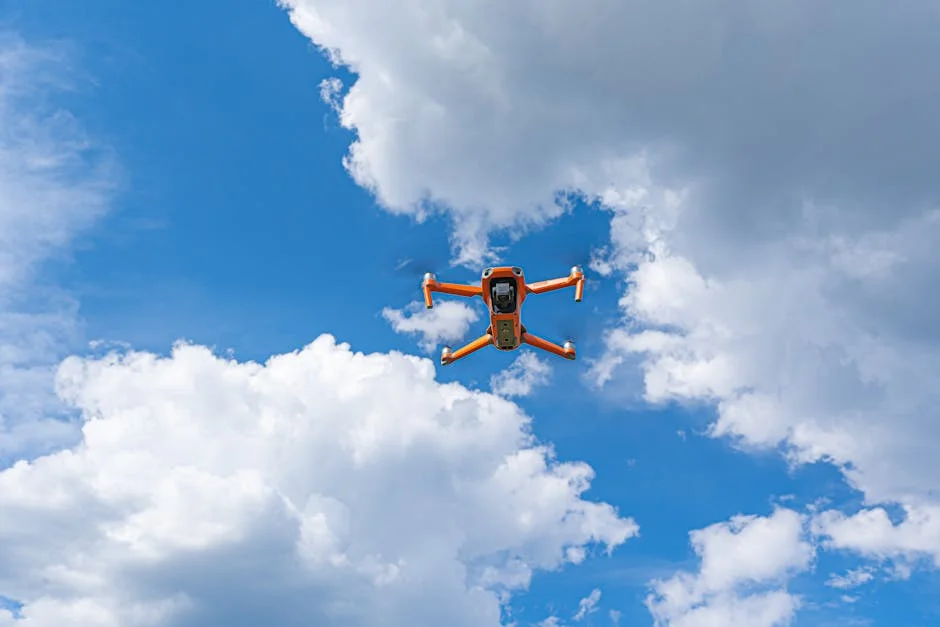
The consumer drone market is experiencing explosive growth, driven by advancements in technology and decreasing costs. With the global consumer drone industry projected to surpass $15 billion by 2027, as reported by Allied Market Research, consumer drones are becoming increasingly accessible to hobbyists and professionals alike.
Popular Uses of Consumer Drones
Consumer drones are not just toys; they are versatile tools for a range of applications. From aerial photography to personal entertainment, the uses of consumer drones are expanding rapidly.
- Capturing stunning aerial photographs and videos
- Participating in drone racing and competitions
- Exploring new perspectives for art and creativity
- Enhancing personal security with home surveillance
Navigating the Consumer Drone Market
As the market grows, so do the options available to consumers. Choosing the right drone can be overwhelming, but platforms like ADrones offer expert reviews and buying guides to help users make informed decisions. Whether you're a beginner or a seasoned enthusiast, these resources are invaluable in finding the right fit for your needs.
Regulatory Challenges and Opportunities
While drone technology offers numerous benefits, it also presents regulatory challenges. Navigating the complex landscape of drone regulations is crucial for ensuring safe and legal drone operations worldwide.
Understanding Global Drone Regulations
Different countries have varying regulations regarding UAV operations, making it essential for drone operators to understand the legal framework in their region. Compliance with these regulations is vital to prevent legal issues and ensure safe flight operations.
- Registering drones with relevant authorities
- Adhering to no-fly zones and airspace restrictions
- Obtaining necessary permits for commercial operations
- Understanding privacy laws related to drone usage
The Role of Platforms in Navigating Regulations
Platforms like drone reviews and guides provide valuable insights into the regulatory environment, helping operators understand and comply with local and international laws. Keeping abreast of these regulations is crucial as the industry evolves and new laws are enacted.
Innovative Applications and the Future of Drones
As drone technology continues to advance, its applications are only expected to grow. From environmental conservation efforts to emergency response, the potential uses of UAVs are virtually limitless.
Environmental Conservation and Monitoring
Drones are playing a pivotal role in environmental conservation by providing a safe and efficient means to monitor ecosystems and wildlife. UAVs assist in tracking animal populations, assessing habitat changes, and combating illegal activities such as poaching.
- Conducting wildlife surveys and migrations
- Monitoring deforestation and illegal logging
- Assessing climate change impacts on ecosystems
- Supporting anti-poaching efforts with surveillance
Emergency Response and Disaster Management
In disaster-stricken areas, drones provide critical support in assessing damage, delivering supplies, and locating survivors. Their ability to quickly reach inaccessible areas makes them invaluable tools during emergency response operations.
- Mapping disaster zones for rescue operations
- Delivering medical supplies to remote locations
- Providing real-time data for decision-making
- Enhancing coordination among response teams
As we look to the future, the integration of drone technology into various sectors is poised to accelerate. With continued advancements and regulatory adjustments, drones will become even more embedded in our daily lives. By embracing this technology, industries can enhance their operations and contribute to a smarter, more efficient world. As the global drone market continues its upward trajectory, platforms like ADrones will remain vital in guiding enthusiasts and professionals through this exciting technological evolution.