Portugal's Defence Minister has announced that the country will continue to support Ukraine in its ongoing conflict with Russia. This declaration aligns Portugal with the broader European stance against Kremlin aggression, as tensions in the region remain high. The announcement, made in Lisbon on Monday, underscores the geopolitical divide within Europa and its potential economic repercussions.
Economic Implications of Portugal's Support
The decision by Portugal to side with Ukraine could have several economic implications, not only for Portugal but also for the wider European market. As Europa continues to grapple with the effects of the conflict, businesses dependent on Russian imports or exports may face uncertainty. The ongoing sanctions on Russia contribute to market volatility, especially in the energy sector, where price fluctuations are a constant concern.
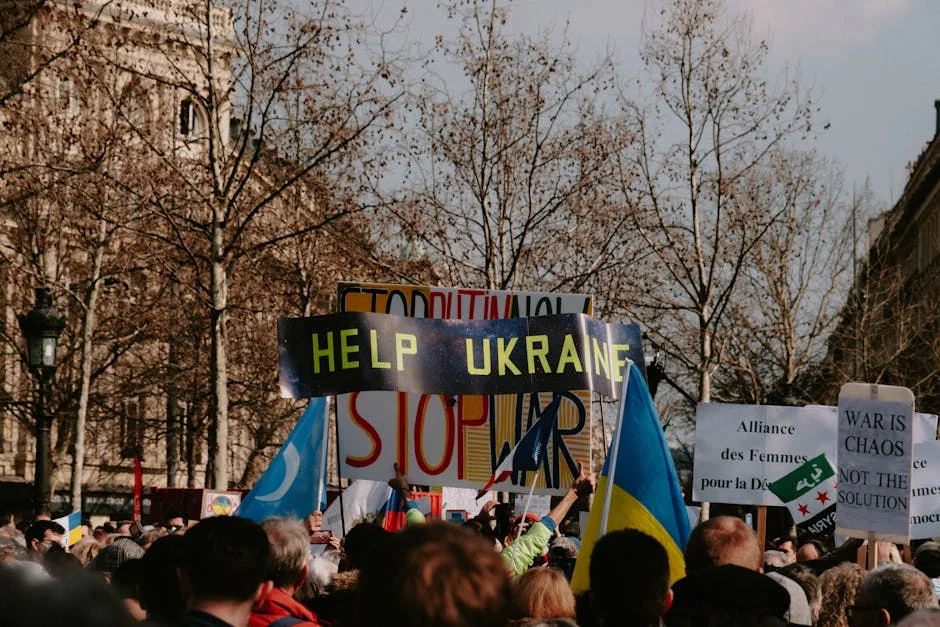
Furthermore, the Portuguese commitment is likely to strengthen the European Union's unified response, potentially leading to more coordinated economic strategies. This could involve increased defence spending, which may shift budgetary priorities and impact sectors such as healthcare and education within member states.
Investor Concerns and Market Reactions
Investors are closely monitoring these developments, as any escalation could affect stock markets across Europa and beyond. A recent survey by the European Central Bank indicated that 60% of investors are concerned about the geopolitical instability emanating from Kremlin's actions. This unease is reflected in the fluctuating European stock indexes, which have shown increased volatility since the start of the conflict.
The financial markets are also reacting to potential disruptions in trade routes and supply chains. Companies with operations spanning multiple European countries might need to reassess their risk management strategies to mitigate potential losses. This situation is particularly poignant for industries reliant on raw materials sourced from Eastern Europe.
Long-Term Strategic Shifts
Portugal's commitment to Ukraine could signal a long-term strategic shift within Europa, prompting countries to reconsider their military and economic alliances. This may lead to increased investments in domestic industries to reduce reliance on Russian imports, particularly in energy and technology sectors.
Moreover, as the European Union navigates this crisis, there may be a growing push towards energy independence. Renewable energy projects could gain traction, with governments incentivizing shifts away from fossil fuels. This transition would require substantial investment but could ultimately stabilize markets by reducing dependency on volatile external sources.
What to Watch Next: Upcoming EU Summit
The next significant development to watch is the upcoming European Union summit, scheduled for later this month, where leaders will discuss their collective approach to the crisis. Decisions made during this summit could further outline economic sanctions or propose new cooperative measures to support Ukraine.
Investors and businesses should stay informed on the outcomes of this meeting, as any new policies could result in immediate changes to market conditions. Additionally, monitoring Portugal's subsequent actions will be crucial in understanding the broader European strategy in response to Kremlin's maneuvers.
Frequently Asked Questions
What is the latest news about portugal pledges support to ukraine markets brace for potential impact?
Portugal's Defence Minister has announced that the country will continue to support Ukraine in its ongoing conflict with Russia.
Why does this matter for technology?
The announcement, made in Lisbon on Monday, underscores the geopolitical divide within Europa and its potential economic repercussions.Economic Implications of Portugal's SupportThe decision by Portugal to side with Ukraine could have several economi
What are the key facts about portugal pledges support to ukraine markets brace for potential impact?
The ongoing sanctions on Russia contribute to market volatility, especially in the energy sector, where price fluctuations are a constant concern.Furthermore, the Portuguese commitment is likely to strengthen the European Union's unified response, po