Vladimir Putin has reportedly urged Hungary’s next prime minister to scale back support for Ukraine, raising concerns among investors and businesses in the region. The pressure comes as Hungary prepares for a leadership transition, with the new government facing a critical decision on its foreign policy stance. The move highlights the growing influence of Russia over its European neighbors and signals potential shifts in trade and investment flows.
Hungary’s Political Shift and Putin’s Influence
As Hungary moves toward its next general election, the country’s political landscape is shifting. The ruling Fidesz party, led by Prime Minister Viktor Orbán, has long maintained a close relationship with Russia, despite EU sanctions against Moscow over the war in Ukraine. Reports suggest that Putin has directly contacted Hungarian officials, urging them to reconsider their stance on supporting Kyiv. This communication has sent ripples through the European Union, where solidarity with Ukraine remains a key policy goal.
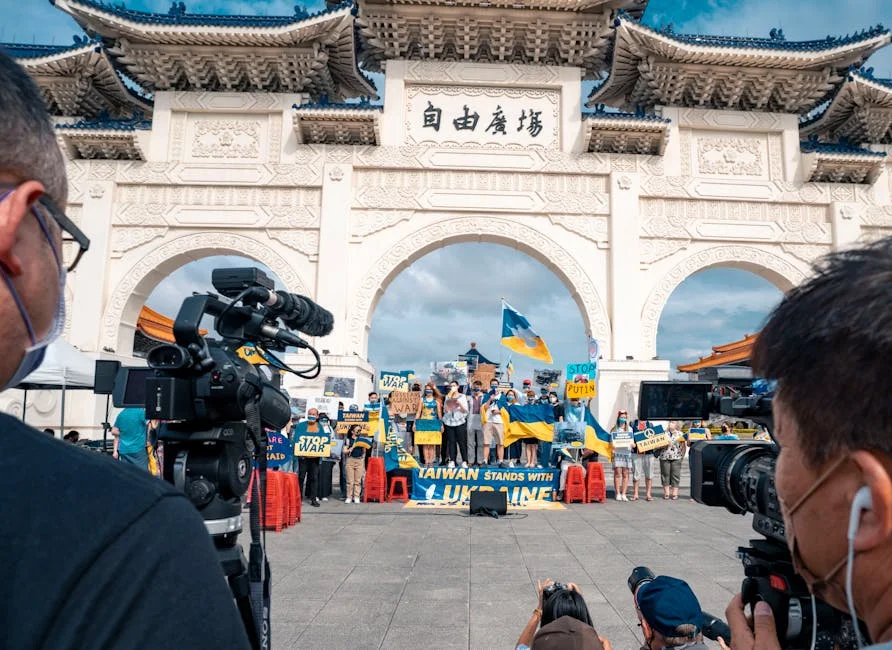
The pressure from Moscow has sparked debate within Hungary’s political circles. While some officials have expressed concerns about the economic and security risks of maintaining close ties with Russia, others argue that the country must balance its relationships with both the EU and its eastern neighbor. This internal division could affect Hungary’s future policies, with potential consequences for its trade relations and foreign investment.
Market Reactions and Investor Uncertainty
Financial markets have reacted with caution to the news. The Hungarian forint fell by 1.2% against the euro following reports of Putin’s intervention, reflecting growing investor anxiety. Analysts warn that any shift in Hungary’s policy could lead to instability in the region, particularly for businesses reliant on EU funding and trade agreements.
Investors are also watching the impact on energy markets. Hungary relies heavily on Russian gas, and any move to reduce dependence could lead to higher energy prices. The country’s national energy company, MVM, has already seen its stock drop by 3% in recent days, signaling concerns over future energy security and costs.
Business Implications and Supply Chain Concerns
For businesses operating in Hungary, the political uncertainty poses a major challenge. Multinational companies, particularly those in the automotive and manufacturing sectors, are closely monitoring the situation. Hungary is a key hub for European production, and any policy shifts could disrupt supply chains and increase operational costs.
The automotive industry, which accounts for 25% of Hungary’s exports, is especially vulnerable. Companies like Volkswagen and Mercedes-Benz have significant operations in the country. Any reduction in EU support or changes in trade policies could force them to re-evaluate their long-term strategies.
Energy Security and EU Relations
Energy security has become a central issue in the debate. Hungary’s reliance on Russian energy has long been a point of contention with the EU, which has pushed for greater diversification. However, the recent pressure from Putin may push the country to delay or scale back its energy transition plans, affecting both domestic and international stakeholders.
The EU has warned that any move to weaken its position on Ukraine could damage Hungary’s standing within the bloc. The European Commission has already signaled that it may review Hungary’s access to EU funds if it fails to align with collective policies. This could have a direct impact on infrastructure projects and economic development initiatives across the country.
What’s Next for Hungary and the Region?
The coming weeks will be crucial for Hungary’s political and economic future. The next government will face a difficult choice: align with EU priorities or maintain its close ties with Russia. The outcome could reshape trade dynamics, investor confidence, and regional stability.
Investors and businesses should closely monitor the political developments, as well as any changes in energy policy. The Hungarian parliament is set to vote on a new energy strategy in early April, which could provide further clarity on the country’s direction. The coming months will test the resilience of Hungary’s economy and its ability to navigate the complex geopolitical landscape.
Frequently Asked Questions
What is the latest news about putin presses hungary to end ukraine support markets brace for fallout?
Vladimir Putin has reportedly urged Hungary’s next prime minister to scale back support for Ukraine, raising concerns among investors and businesses in the region.
Why does this matter for politics-world?
The move highlights the growing influence of Russia over its European neighbors and signals potential shifts in trade and investment flows.
What are the key facts about putin presses hungary to end ukraine support markets brace for fallout?
The ruling Fidesz party, led by Prime Minister Viktor Orbán, has long maintained a close relationship with Russia, despite EU sanctions against Moscow over the war in Ukraine.