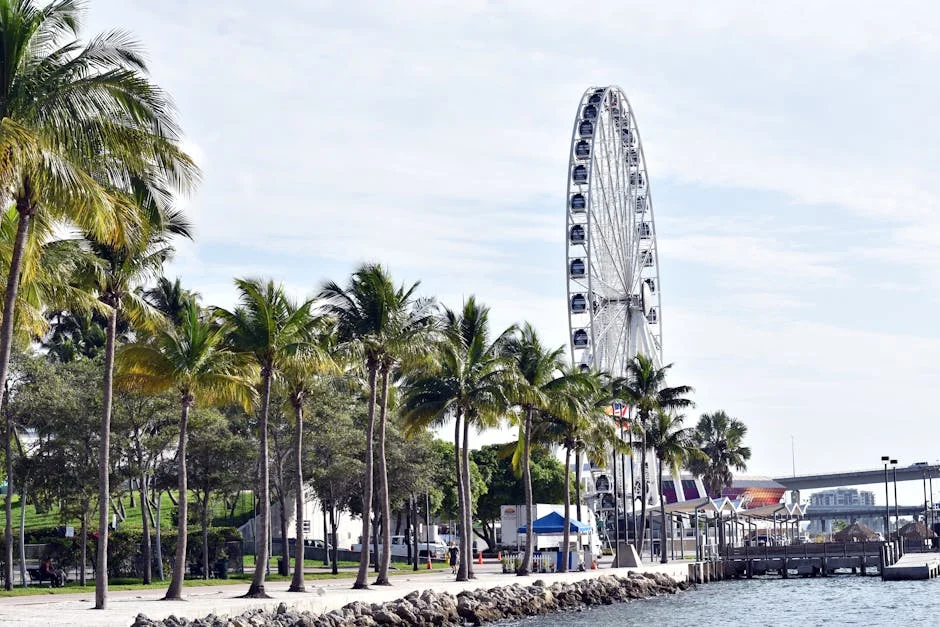
Mandarin Oriental Hotel Group has announced a $1 billion investment in a new luxury resort in Miami, marking a significant shift in the city's real estate and hospitality landscape. The project, set to open in 2026, will be located on the iconic Miami Beach coastline, a hub for high-net-worth individuals and international investors. The development is part of the group's broader strategy to expand its presence in the Americas, driven by a surge in wealth among local and global elites.
Market Reactions and Economic Implications
The announcement has sent ripples through the Miami real estate market, with property values in the area already rising by 8% in the past month. Analysts at JLL, a leading real estate consultancy, note that the project will further solidify Miami as a global financial and luxury destination. "This investment signals confidence in Miami's long-term growth and its role as a magnet for international capital," said Laura Chen, a senior analyst at JLL.
Investors are closely watching the development, as it could influence the flow of foreign direct investment into the U.S. The project is expected to create over 1,000 jobs during construction and 300 permanent positions upon completion. This could have a ripple effect on local businesses, from construction firms to service providers. "The hospitality sector is a key driver of economic activity, and this development will boost ancillary industries," said David Ramirez, an economist at the University of Miami.
Business Implications for the Hospitality Sector
Mandarin Oriental's move underscores the growing competition among luxury hotel chains in the U.S. The company is not the only one eyeing Miami — Four Seasons and Ritz-Carlton have also announced plans for new properties in the area. This surge in high-end developments reflects a broader trend of wealth concentration and a shift in demand toward exclusive, high-quality accommodations.
Local businesses, particularly those in the luxury retail and fine dining sectors, are preparing for increased foot traffic. "We're already seeing a rise in inquiries from international clients," said Maria Alvarez, owner of a high-end boutique in South Beach. "This project will bring more affluent visitors, which is great for our business."
Impact on Property Values and Tourism
Property values in the immediate vicinity of the resort are projected to rise by an additional 10% over the next two years. This is expected to attract more investors, particularly from Asia and the Middle East, who are drawn to Miami's stable real estate market and favorable tax environment. The city's appeal has only grown since the introduction of the Florida Property Tax Exemption for High-Net-Worth Individuals in 2023.
Meanwhile, the tourism sector is preparing for a potential surge in demand. Miami's tourism board has already begun working with local hotels and attractions to ensure the city can accommodate the influx. "We're confident that Miami's infrastructure can support this growth," said James Carter, CEO of the Miami Tourism Board. "This development will help position us as a top-tier global destination."
Investor Perspective and Long-Term Outlook
For investors, the Mandarin Oriental project represents a strategic bet on Miami's future. The city has seen a 12% increase in foreign direct investment over the past year, with a significant portion coming from Singapore-based firms. This aligns with broader trends of capital moving from Asia to the U.S. as part of a diversification strategy.
However, some investors remain cautious. The U.S. economic outlook, including inflation and interest rate policies, could affect the long-term viability of such large-scale projects. "While Miami remains a strong market, we must remain vigilant about macroeconomic shifts," said Sarah Lin, a portfolio manager at SG Capital, a Singapore-based investment firm.
What to Watch Next
The project is scheduled to break ground in early 2025, with a projected completion date of 2026. Key milestones include the approval of final construction permits and the launch of a pre-sales campaign targeting international buyers. Investors and market analysts will be closely monitoring the project's progress, as well as its impact on local real estate and tourism trends.
The development also raises questions about the long-term effects of wealth concentration in the U.S. As more high-net-worth individuals and foreign investors flock to Miami, the city's economy and social dynamics could shift. The coming months will be critical in determining how this new wave of investment shapes the region's future.
See Also
- Gen Z Faces Tech Gap as Businesses Struggle to Hire Digital Natives
- Noires Reveals Strong Earnings - Couleurs Sees Profit Dip: What It Means for U.S. Investors
Investors and market analysts will be closely monitoring the project's progress, as well as its impact on local real estate and tourism trends. The city has seen a 12% increase in foreign direct investment over the past year, with a significant portion coming from Singapore-based firms.