NextEra Energy has moved decisively to acquire Dominion Energy in a transaction valued at approximately $40 billion, a strategic maneuver designed to capitalize on the explosive growth of data centers in the United States. This merger positions the Florida-based utility giant to dominate the power supply for the rapidly expanding technology sector, particularly in the energy-hungry markets of Virginia. The deal comes at a critical juncture where rising energy costs and the insatiable power demands of artificial intelligence infrastructure are reshaping the utility landscape across the country.
The Strategic Rationale Behind the Dominion Acquisition
NextEra Energy, the largest electric utility company in the United States by market capitalization, identified Dominion Energy as the prime target to secure a foothold in the Mid-Atlantic region. Dominion controls a vast network of power lines and generation assets that feed directly into the data center corridor stretching from Northern Virginia down to South Carolina. This geographic advantage is crucial for tech giants like Amazon, Google, and Microsoft, who require reliable, high-capacity power sources to sustain their server farms.
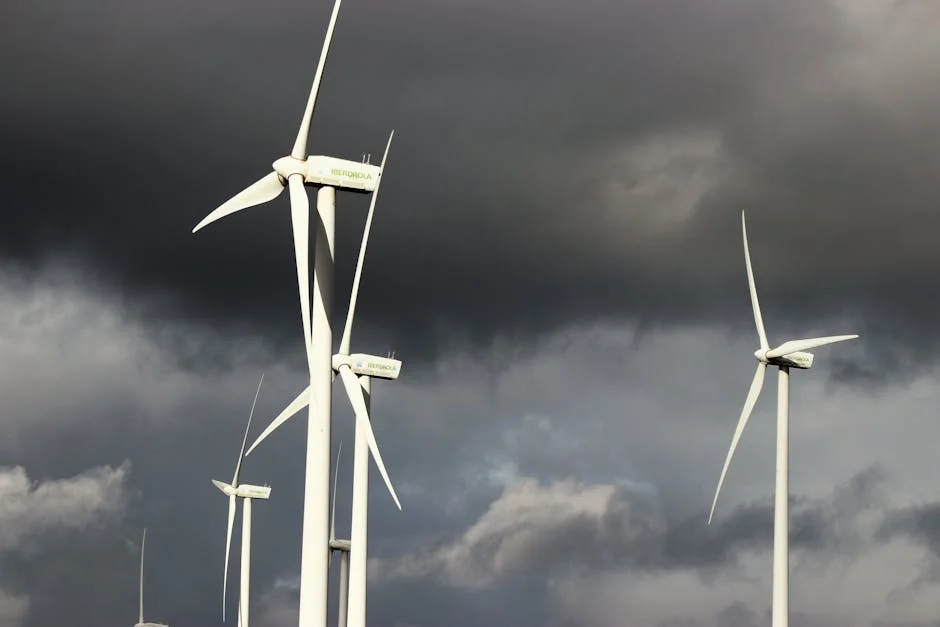
The acquisition provides NextEra with immediate access to Dominion’s robust transmission infrastructure, which is currently undergoing a massive expansion to handle the load from new data center developments. Without this grid capacity, many data center projects face delays of three to five years as they wait for substations and high-voltage lines to be built. NextEra’s leadership believes that owning the grid operator allows for faster deployment of renewable energy projects, specifically solar and offshore wind, which are increasingly favored by tech companies seeking to meet their sustainability goals.
Investors are closely watching this move as a signal that utilities are transitioning from stable, dividend-paying stocks to growth-oriented assets driven by the technology sector. The merger creates a more diversified geographic portfolio for NextEra, reducing its reliance on the Florida market and exposing it to the faster-growing demand curves of the East Coast. This strategic shift could redefine how the market values utility companies in the coming decade.
Impact of Rising Energy Costs on Market Dynamics
The timing of the bid coincides with a period of volatile energy prices across the United States. Rising energy costs analysis the United States shows that electricity rates have increased significantly due to inflation in fuel prices, supply chain bottlenecks, and the capital intensity of new generation projects. These cost pressures are being passed down to consumers and businesses, making the efficiency of power delivery more important than ever. NextEra aims to leverage its scale to negotiate better prices for natural gas and renewable energy credits, potentially stabilizing costs for Dominion’s customer base.
For investors, the interplay between rising energy costs and the demand for power presents both risks and opportunities. High electricity prices can squeeze the profit margins of data center operators, potentially slowing down their expansion plans. However, it also means that utilities with strong pricing power can capture more revenue. The merger is expected to generate cost synergies, allowing the combined entity to streamline operations and reduce overhead, which should help mitigate the impact of inflation on the bottom line.
The broader economic implication is that energy efficiency and cost management will become central themes for corporate America. Companies that can secure long-term power purchase agreements at favorable rates will have a competitive advantage. This dynamic is driving a new wave of investment in behind-the-meter generation and energy storage solutions, as businesses seek to hedge against the volatility of wholesale electricity markets.
Data Centers Drive Unprecedented Power Demand
Data centers analysis the United States reveals a staggering increase in power consumption, with some regions seeing their electricity usage grow by double digits annually. The rise of artificial intelligence and cloud computing has transformed data centers from steady consumers of power into voracious energy hogs. A single large-scale data center can consume as much electricity as a small city, requiring dedicated transmission lines and even new power plants to keep the lights on. This surge in demand is forcing utilities to accelerate their capital expenditure plans.
Data Centers developments explained by industry experts highlight the critical role of location in the current boom. Virginia, often referred to as the “Data Center Capital of the World,” is home to over 25% of the global data center capacity. The state’s robust fiber optic infrastructure and proximity to major financial and tech hubs make it an ideal location. However, the rapid influx of data centers is straining the local grid, leading to congestion and higher interconnection queues. NextEra’s acquisition of Dominion gives it direct control over this critical infrastructure, allowing it to manage the flow of power more efficiently.
Infrastructure Challenges in Key Markets
The infrastructure challenges in key markets like Virginia and North Carolina are significant. Grid operators are facing long lead times for transformers and other critical components, which can delay project completions by several years. This bottleneck is creating a premium on available grid capacity, allowing utilities to charge higher connection fees. The merger allows NextEra to integrate Dominion’s grid management capabilities with its own renewable energy portfolio, potentially smoothing out some of these logistical hurdles.
Regulatory bodies are also scrutinizing the pace of infrastructure development. In Virginia, the State Corporation Commission has been working to streamline the approval process for new transmission lines to keep up with the demand. However, local opposition to new power lines and substations remains a persistent challenge. The combined company will need to navigate these regulatory landscapes carefully to ensure that its expansion plans proceed without significant delays.
Financial Implications for Investors and Shareholders
The financial structure of the Dominion bid is designed to appeal to a broad base of investors. NextEra is offering a mix of cash and stock for the acquisition, which provides Dominion shareholders with some immediate liquidity while retaining exposure to the growth potential of the combined entity. The deal is expected to be accretive to NextEra’s earnings per share within the first few years, assuming that the projected cost synergies are realized. This accretion is a key factor driving investor enthusiasm for the merger.
For the broader market, this deal signals a consolidation trend in the utility sector. As energy demand grows, larger companies are leveraging their balance sheets to acquire smaller regional players, creating a few super-sized utilities that can compete more effectively in a changing energy landscape. This consolidation could lead to increased pricing power for utilities, which may result in higher electricity bills for consumers in the long run. Investors need to weigh these potential cost increases against the stability and growth prospects of the merged company.
The risk profile of the deal also includes integration challenges. Merging two large utility companies is a complex process that involves aligning corporate cultures, integrating IT systems, and harmonizing regulatory strategies. Any missteps in the integration phase could erode the value created by the merger. However, NextEra has a proven track record of successful acquisitions, which gives investors confidence in its ability to execute the deal effectively.
Regulatory Hurdles and Approval Process
The path to closing the Dominion bid is not without regulatory hurdles. The Federal Energy Regulatory Commission (FERC) will play a crucial role in approving the merger, focusing on the impact on wholesale electricity markets and the reliability of the transmission grid. FERC is likely to impose conditions on the deal to ensure that the combined company does not exert excessive pricing power in key markets. This could include requirements for open access to the transmission system or the divestiture of certain generation assets.
State-level regulators in Virginia and North Carolina will also have significant say in the approval process. The Virginia State Corporation Commission will examine the deal’s impact on retail electricity rates and the reliability of service for consumers. Given the current political climate and the focus on affordability, regulators may demand rate freezes or caps on rate increases for the first few years of the merger. This could limit the immediate financial benefits for NextEra but would help ensure a smoother political reception for the deal.
The approval process is expected to take 12 to 18 months, during which time the two companies will operate largely independently. This interim period will be critical for maintaining operational stability and keeping shareholders engaged. NextEra will need to communicate a clear vision for the combined company to maintain investor confidence and mitigate any uncertainty in the market.
Long-Term Economic Consequences for the US Energy Sector
The merger of NextEra and Dominion has far-reaching implications for the United States energy sector. It accelerates the transition to a more integrated and efficient power system, which is essential for supporting the growth of the technology sector. By combining NextEra’s renewable energy expertise with Dominion’s transmission infrastructure, the deal creates a more resilient and flexible grid that can better accommodate the variable output of wind and solar power.
For the broader economy, the deal underscores the growing interdependence between the technology and utility sectors. As data centers continue to expand, they will become even more critical drivers of electricity demand, influencing investment decisions and policy priorities. This interdependence could lead to new partnerships and collaborations between tech companies and utilities, fostering innovation in energy storage, smart grid technology, and renewable energy generation.
The long-term success of the merger will depend on the ability of the combined company to navigate the complexities of a changing energy landscape. This includes adapting to new regulatory requirements, investing in emerging technologies, and managing the expectations of investors and consumers. If executed well, the deal could serve as a model for other utility mergers, shaping the future of the energy sector for years to come.
What to Watch Next in the Energy Market
Investors and market observers should closely monitor the regulatory filings for the NextEra-Dominion deal, particularly the responses from FERC and state-level commissions. The conditions imposed by regulators will provide valuable insights into the pricing power and operational flexibility of the combined company. Additionally, the progress of integration efforts will be a key indicator of the deal’s success, with early wins in cost savings and operational efficiency boosting investor confidence.
The broader energy market will also be watching for signs of further consolidation in the utility sector. The Dominion deal may encourage other large utilities to pursue strategic acquisitions to capture the growth in data center demand. This could lead to a wave of mergers and acquisitions that reshapes the competitive landscape of the industry. Keeping an eye on the capital expenditure plans of major utilities will also provide clues about the pace of infrastructure development and the potential for future rate increases.
Finally, the performance of the data center sector will remain a critical factor in the valuation of the merged company. Any slowdown in the expansion of data centers or changes in the power consumption patterns of tech giants could impact the demand for electricity and the revenue projections for NextEra and Dominion. Investors should track the quarterly earnings reports of major data center operators and utility companies to gauge the strength of the underlying demand drivers. The next major milestone will be the filing of the definitive merger agreement, which is expected to be announced in the coming months.
See Also
- Meta Repeatedly Snubs EU Body — User Bans Threaten Facebook's Revenue Streams
- Brazil Finds Cocaine in Rivers — Salmon Behavior Alters, Fishing Sector at Risk
Additionally, the progress of integration efforts will be a key indicator of the deal’s success, with early wins in cost savings and operational efficiency boosting investor confidence. This accretion is a key factor driving investor enthusiasm for the merger.