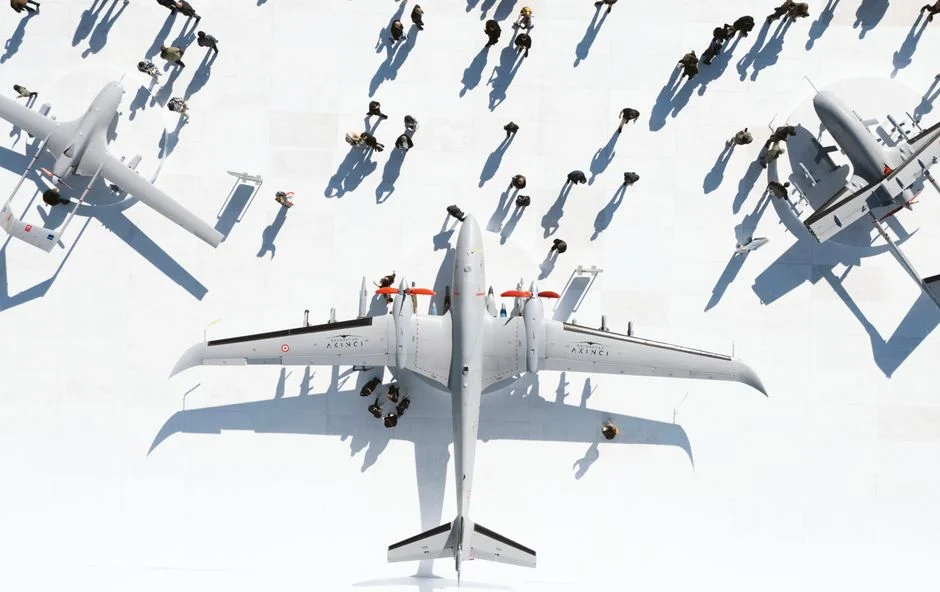
A Ukrainian drone exploded inside Romanian territorial waters near the port of Constanta on Sunday, according to Romanian defence officials, marking one of the closest incidents of the conflict to NATO territory. The blast occurred roughly 30 kilometres offshore from the Black Sea hub that processes millions of tonnes of cargo annually, including grain exports and energy shipments. No casualties were reported, but the incident has intensified concerns about the safety of commercial shipping lanes in the region.
Blast Near a Critical Trade Junction
The drone detonated in the early hours of Sunday morning, Romanian defence officials confirmed in a statement. Constanta, Romania's biggest port, handles roughly 140 million tonnes of cargo per year, making it a linchpin for grain and fuel shipments bound for international markets. The explosion marks a significant escalation in the geographic reach of the conflict, bringing warfare dangerously close to infrastructure that European businesses rely on daily.
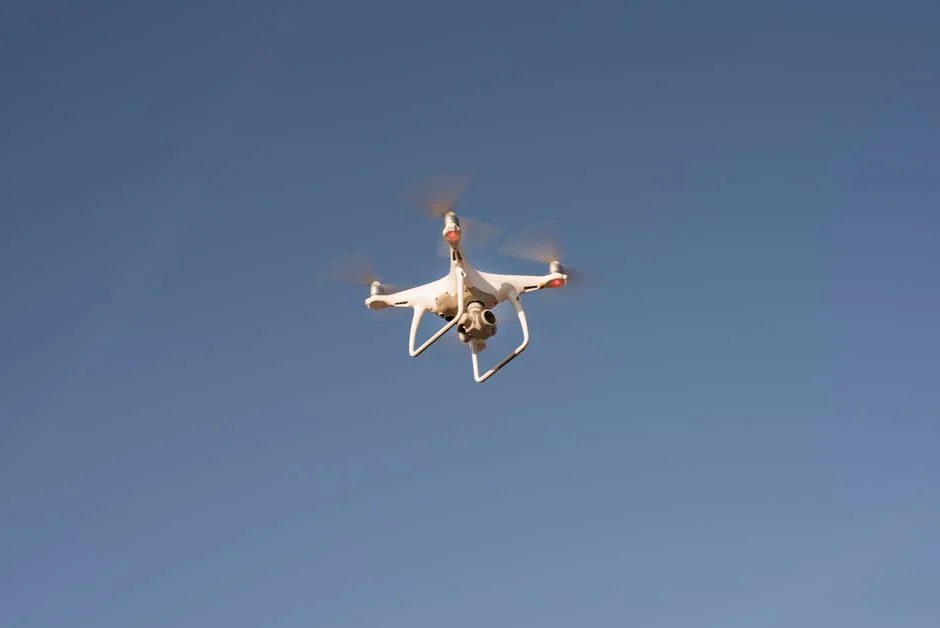
Local fishermen operating near the site reported hearing a loud blast and seeing a column of smoke rising from the water. Romanian coast guard vessels were dispatched to the area within hours. Authorities have not disclosed the drone's origin or payload, though Ukrainian officials have faced repeated accusations from Russia of launching strikes near civilian shipping routes.
Romania's defence ministry said it is cooperating with NATO partners to assess the incident. The alliance has not yet issued a formal statement, but diplomats in Brussels described the development as a matter of serious concern. The incident comes amid heightened Russian threats against commercial vessels in the Black Sea following Ukraine's strikes on Crimean infrastructure.
Why the Port Matters to Global Trade
Constanta connects Central European manufacturers with global shipping lanes, moving everything from Romanian steel to Hungarian grain and Polish machinery. Disruptions to traffic through the port would ripple across supply chains reaching as far as the United States, where commodity traders monitor Black Sea freight rates as a benchmark for global pricing. Any escalation that forces ships to reroute around Romanian waters would add days to journey times and millions to shipping costs.
Energy Markets React to Escalation
Brent crude rose 1.2 percent in Asian trading on Monday following news of the blast, reflecting investor anxiety about supply disruptions through the Black Sea corridor. Gasoline futures also ticked upward as traders priced in a risk premium for transit through contested waters. Energy analysts noted that any sustained reduction in shipping through the region would most directly affect European buyers, though American consumers could face secondary price effects as global benchmarks adjust.
The Black Sea handles roughly 12 percent of global wheat exports and a significant share of corn and barley shipments. Insurance underwriters in London have already begun reviewing premiums for vessels transiting near Romanian waters, according to shipping sources familiar with the matter. A spike in war-risk premiums would raise costs for grain traders and ultimately push food prices higher for importers across the Middle East and North Africa.
Shell and BP, both of which maintain operations in the Black Sea region, declined to comment on whether they have altered routing for their vessels. Several commodity houses told Reuters they are monitoring the situation closely before making any changes to their logistics plans.
NATO's Fragile Position in the Region
Romania hosts a NATO Enhanced Forward Presence battalion, and the alliance has been bolstering air defence capabilities in the country over the past two years. The drone incident tests alliance resolve at a moment when member states are divided over how far to go in supporting Ukraine's strikes against Russian infrastructure. The United States has quietly encouraged Ukraine to limit attacks near NATO borders to avoid drawing the alliance into direct conflict, according to two people familiar with the matter who spoke on condition of anonymity.
The Romanian government has sought to play down the incident publicly while privately urging allies to increase patrol activity in the western Black Sea. Prime Minister Marcel Ciolacu convened an emergency meeting of the Supreme Defence Council on Sunday evening. The council issued a brief statement confirming the drone had been detected and destroyed, though this version of events contradicts initial reports of an explosion in the water rather than an interception.
NATO sources said alliance naval assets in the region have been instructed to increase visibility around key shipping corridors. The United States has positioned the USS Mount Whitney, a command ship, in the eastern Mediterranean, though there are no plans to move it closer to the Black Sea at this stage.
Business Implications for Shippers and Insurers
Major shipping companies including Maersk and MSC have not yet issued formal advisories against transiting near Constanta, but internal risk assessments are circulating among their operations teams, according to industry officials. A prolonged escalation could force carriers to divert vessels around the Bosporus, adding significant time and fuel costs to journeys between Europe and Asia.
Underwriters at Lloyd's of London are watching the situation carefully. War-risk premiums for the Black Sea have already climbed from roughly 0.5 percent of vessel value to 1.2 percent this year, a person familiar with the pricing said. Further escalation could push those rates higher, increasing costs for every cargo shipment passing through the region.
Romanian export firms are watching the situation with particular anxiety. The port handles the majority of the country's agricultural exports, and any disruption would hit farmers and logistics companies already struggling with rising fuel costs and reduced demand from traditional buyers in the Middle East.
Diplomatic Fallout and What Comes Next
Ukraine has not officially acknowledged responsibility for the drone, consistent with its policy of neither confirming nor denying attacks on Russian or occupied infrastructure near the Black Sea. Ukrainian President Volodymyr Zelenskyy addressed the incident briefly in his evening address, saying only that Ukraine would continue to act decisively to protect its interests.
Russia's defence ministry issued a statement warning that any attack on critical infrastructure in the Black Sea region would be met with a proportional response. The Kremlin's press secretary said Russian forces reserved the right to strike what it described as legitimate military targets without specifying whether civilian shipping would be considered off-limits.
European Union foreign ministers are expected to discuss the incident at their informal meeting in Brussels this week. Several member states are pushing for a stronger condemnation of attacks that threaten commercial shipping, while others are cautioning against language that could be interpreted as escalatory. The bloc's high representative for foreign affairs is scheduled to brief ministers on the situation on Thursday.
Romanian authorities have appealed to the United Nations and the International Maritime Organization to intervene and demand a cessation of hostilities near civilian shipping routes. The requests are unlikely to produce immediate results, but they signal Bucharest's determination to keep the incident in the international spotlight.
What Investors Should Watch
Markets will be watching for any announcement from NATO or the Romanian government about increased naval presence in the area. A formal escort programme for commercial vessels would signal that the alliance has shifted from deterrence to active protection, a move that could either calm nerves or heighten them depending on how Russia responds.
Energy traders should monitor Black Sea freight rates closely over the coming weeks. A sustained rise would push Brent crude and natural gas prices higher, feeding into consumer costs across the Atlantic. Grain markets, already volatile due to drought concerns in key producing regions, could face additional pressure if shippers begin avoiding the corridor entirely.
The coming days will determine whether this incident was a one-off malfunction or part of an escalating pattern. If another drone or missile strikes near Constanta within the next two weeks, insurance premiums will spike and shipping companies will face pressure to reroute. If the situation stabilises, markets may return to focusing on more traditional supply and demand factors, but the incident has reminded investors just how exposed global trade remains to a conflict that shows no sign of ending.
See Also
- Dow Tanks 600 Points as Treasury Yields and Oil Prices Pressure Stocks
- Nigeria's Tinubu Launches Reforms to Empower Youths in Tech and Agriculture
Grain markets, already volatile due to drought concerns in key producing regions, could face additional pressure if shippers begin avoiding the corridor entirely. NATO sources said alliance naval assets in the region have been instructed to increase visibility around key shipping corridors.