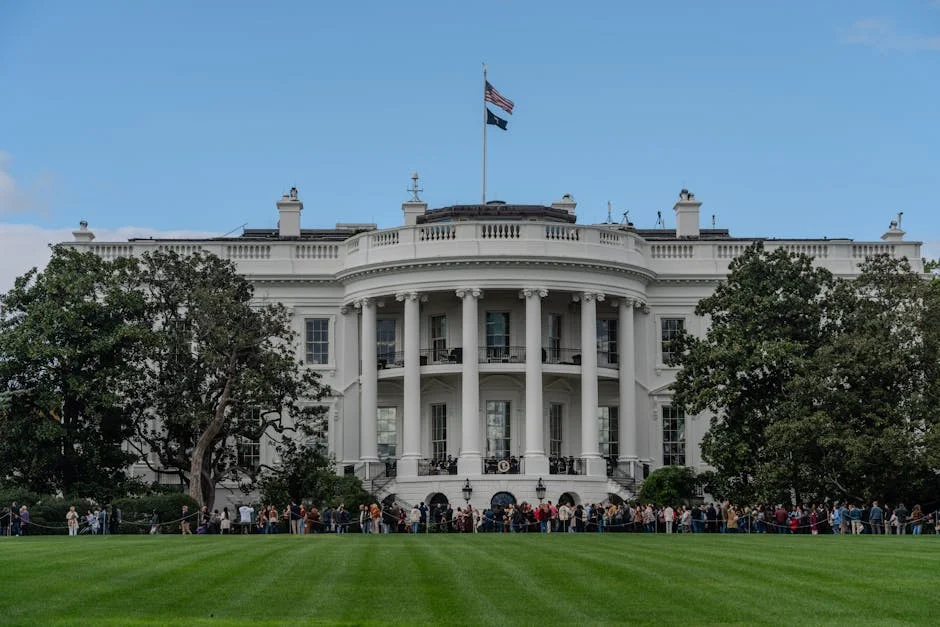
The White House held a closed-door meeting with AI firm Anthropic this week, marking a growing regulatory interest in the development of its Mythos model. The discussion, which took place in Washington, D.C., focused on the potential risks of advanced AI systems, including ethical concerns and national security implications. The meeting came as the U.S. government intensifies its scrutiny of AI innovation amid fears of unregulated technological breakthroughs.
White House Seeks Clarity on AI Developments
The meeting, led by White House senior advisor Dr. Emily Carter, aimed to better understand the capabilities and limitations of the Mythos model. Anthropic, based in San Francisco, has been at the forefront of AI research, but its latest project has drawn attention from regulators. Carter emphasized the need for transparency and accountability in AI development, stating that the administration is working to establish a framework that balances innovation with public safety.
Analysts note that the White House’s involvement signals a shift in how AI is perceived in policy circles. "This isn’t just about tech—it’s about how AI could reshape industries, labor markets, and even geopolitical power dynamics," said Dr. Michael Lin, an AI policy expert at the Brookings Institution. The administration is reportedly considering new guidelines that could affect how AI companies operate in the U.S.
Market Reactions and Investor Concerns
Shares of Anthropic, which remains a private company, did not move significantly following the announcement, but the broader AI sector saw a slight dip as investors weighed the implications of increased regulation. The stock of rival firm OpenAI, which also operates in the AI space, fell 1.2% on the day of the meeting, reflecting concerns over potential policy changes.
Investors are closely watching how the White House’s approach to AI evolves. "If the administration moves toward stricter oversight, it could slow down innovation and impact the valuation of AI startups," said Sarah Mitchell, a tech analyst at Goldman Sachs. "But if they find a balanced approach, it could create long-term stability and investor confidence."
Business Implications and Industry Response
Businesses across multiple sectors are also taking note. Tech firms, including major cloud providers like Amazon and Microsoft, have been investing heavily in AI infrastructure. The White House’s engagement with Anthropic may prompt these companies to reassess their own AI strategies, particularly in terms of compliance and ethical standards.
Industry leaders have called for a collaborative approach. "We support responsible AI development, but we also need to ensure that the U.S. remains competitive in this space," said CEO of IBM, Arvind Krishna, in a recent statement. "Regulation should encourage innovation, not stifle it."
What to Watch Next
The coming weeks will be critical as the White House prepares to release a draft of its AI policy framework. A final version is expected by the end of the year, with public consultations likely to follow. Meanwhile, Anthropic has yet to comment publicly on the meeting, but the company is expected to issue a statement in the next few days.
Investors and businesses should monitor the policy developments closely, as they could have far-reaching effects on AI investment, research, and deployment. The outcome of these discussions may shape the trajectory of AI in the U.S. for years to come.
See Also
- Abqar's Controversial Red Card Reveals VAR Debate Heating Up - Impact on US Sports Tech
- Sindicato Calls Nationwide Strike as Health Sector Faces Crisis