Nigeria’s escalating violence has transformed the West African giant into a primary hotspot for Sahelian insecurity, sending shockwaves through regional and global markets. Data from the Armed Conflict Location & Event Data Project (ACLED) and the Global Terrorism Index reveals a sharp deterioration in stability, forcing investors to reassess risk premiums across the continent. This shift is not merely a geopolitical footnote but a critical economic stressor that affects commodity prices, foreign direct investment, and supply chain resilience.
Mapping the Economic Cost of Insecurity
The correlation between physical insecurity and economic output in Nigeria is becoming increasingly linear. As violence spreads from the traditional northern strongholds into central and southern regions, the cost of doing business rises exponentially. Investors are no longer looking at abstract risk metrics; they are seeing tangible disruptions in logistics, labor availability, and infrastructure maintenance. The economic fallout is immediate, affecting everything from agricultural yields to manufacturing output.

Market reactions to these security developments are swift and often punitive. Equity markets in Lagos have experienced heightened volatility as multinational corporations adjust their earnings guidance. Currency markets also reflect this anxiety, with the Naira facing pressure as capital flight accelerates. The central bank’s efforts to stabilize the currency are complicated by the broader macroeconomic uncertainty driven by security concerns. This dynamic creates a feedback loop where economic weakness fuels social unrest, which in turn exacerbates economic strain.
Investor Sentiment and Capital Allocation
Institutional investors are recalibrating their exposure to Nigerian assets, prioritizing liquidity over long-term growth potential. The perception of Nigeria as a "high-risk, high-reward" market is shifting toward "high-risk, uncertain reward." This change in sentiment is evident in the slowing pace of Foreign Direct Investment (FDI) inflows. Companies are delaying expansion plans or opting for smaller, more agile operations to mitigate exposure to sudden security disruptions.
The impact extends beyond Nigeria’s borders, influencing how global funds view the broader Sahel region. As Nigeria remains the largest economy in Africa, its instability acts as a contagion risk for neighboring markets. Investors in Ghana, Senegal, and Côte d’Ivoire are also feeling the ripple effects, as regional trade flows and consumer confidence are intertwined. The narrative of African economic resilience is being tested by these persistent security challenges.
Corporate Strategy Adjustments
Major multinational corporations operating in Nigeria are implementing new risk management frameworks. These include diversifying supply chains, increasing insurance premiums, and establishing regional hubs outside of Lagos to ensure business continuity. For example, oil and gas companies are investing more in private security and infrastructure redundancy to protect their assets. These strategic shifts increase operational costs, which are often passed on to consumers, contributing to inflationary pressures.
Smaller businesses face even steeper challenges, often lacking the financial buffer to absorb shocks. Many small and medium-sized enterprises (SMEs) are forced to downsize or relocate, leading to job losses and reduced consumer spending. This contraction in the SME sector, which forms the backbone of Nigeria’s economy, has far-reaching implications for employment rates and domestic demand. The informal sector, which employs a significant portion of the population, is particularly vulnerable to disruptions in trade routes and market access.
Commodity Markets and Supply Chain Disruptions
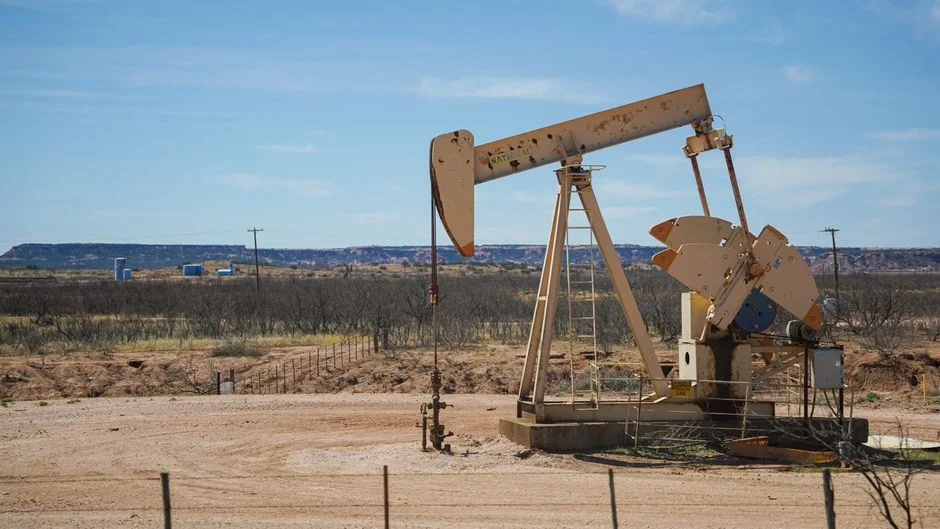
Nigeria’s status as a key player in global commodity markets means that its internal stability has direct implications for international prices. The oil sector, traditionally the engine of the Nigerian economy, faces persistent disruptions due to pipeline attacks and port congestion. These disruptions reduce export volumes, affecting global supply balances and influencing benchmark prices like Brent Crude. Investors in the energy sector are closely monitoring these developments, adjusting their hedges and inventory levels accordingly.
Agricultural commodities are also under pressure. Violence in key farming regions disrupts the harvest and transportation of crops such as rice, maize, and cassava. This leads to domestic food price inflation, which has a multiplier effect on the broader economy. Higher food prices reduce disposable income for households, leading to decreased spending in other sectors. The agricultural sector, which employs a large share of the workforce, is thus a critical barometer of economic health in Nigeria.
Supply chain logistics are becoming increasingly complex and expensive. Transport costs have risen due to the need for armed escorts and alternative routing to avoid conflict zones. This increases the landed cost of imported goods, contributing to trade deficits and currency pressure. Businesses are having to negotiate longer lead times and higher freight costs, which impacts their competitiveness in both domestic and export markets. The efficiency of Nigeria’s logistics infrastructure is being tested by these ongoing security challenges.
Regional Spillover and Sahel Dynamics
The insecurity in Nigeria does not exist in a vacuum; it is part of a broader trend of instability across the Sahel region. The spillover effects are evident in the movement of militant groups, the displacement of populations, and the strain on regional security architectures. For the United States and other global powers, the stability of the Sahel is a strategic priority, influencing diplomatic engagements and military aid allocations. Understanding how Sahel affects the United States requires looking at these interconnected security and economic dynamics.
Regional organizations like ECOWAS are facing pressure to coordinate a more effective response to the security crisis. However, political divisions and varying economic priorities among member states complicate these efforts. The effectiveness of regional security initiatives directly impacts investor confidence. A fragmented response can lead to prolonged uncertainty, while a coordinated approach could signal stability and attract capital back to the region. The outcome of these diplomatic and security efforts will be closely watched by markets.
Policy Responses and Economic Reforms
The Nigerian government is implementing a series of economic and security reforms aimed at restoring stability and boosting investor confidence. These include fiscal consolidation measures, monetary policy adjustments, and targeted security interventions. However, the success of these reforms depends on their implementation and the ability to address the root causes of insecurity. Investors are scrutinizing these policy moves, looking for signs of structural improvement rather than short-term fixes.
Transparency and governance are also critical factors. Corruption and bureaucratic inefficiencies can undermine economic reforms and deter investment. The government’s efforts to improve the business climate, such as through the introduction of new investment incentives and regulatory simplifications, are being evaluated against the backdrop of ongoing security challenges. The interplay between governance quality and security is a key determinant of Nigeria’s economic trajectory.
Long-Term Investment Perspectives
Despite the challenges, long-term investors continue to see potential in Nigeria’s large consumer market and resource endowments. However, the entry threshold is higher, requiring robust risk mitigation strategies and a deeper understanding of local dynamics. The focus is shifting towards sectors that are less vulnerable to security disruptions, such as technology, services, and selective manufacturing. These sectors offer growth opportunities that are somewhat insulated from the immediate impacts of physical insecurity.
Diversification of investment portfolios is becoming a standard practice. Investors are spreading their risk across different asset classes and geographic locations within Nigeria to balance exposure. This approach allows them to capture growth opportunities while managing the downside risks associated with volatility. The evolution of investment strategies in Nigeria reflects a maturing market that is adapting to a complex and dynamic environment.
What to Watch Next
Investors and market observers should closely monitor the upcoming quarterly reports from major Nigerian corporations for signs of margin pressure and revenue growth. Additionally, the results of regional security summits and any new policy announcements from the Central Bank of Nigeria will provide critical indicators of the economic direction. The trajectory of oil prices and the Naira exchange rate will also remain key barometers of market sentiment and economic stability in the coming months.
See Also
- King Charles Praises Aukus Pact — Boosts Confidence in Australian Economy
- Musk Claims OpenAI Chose Profit Over Mission — Markets React
Additionally, the results of regional security summits and any new policy announcements from the Central Bank of Nigeria will provide critical indicators of the economic direction. The agricultural sector, which employs a large share of the workforce, is thus a critical barometer of economic health in Nigeria.
What is the latest news about nigerias violence surge triggers market panic and capital flight?
Why does this matter for politics-world?
What are the key facts about nigerias violence surge triggers market panic and capital flight?