SpaceX has priced its initial public offering at $135 per share, cementing the listing as the largest in market history and eclipsing Saudi Aramco's record set in 2019. The offering values the rocket company at approximately $250 billion, making it the most valuable private company ever to go public. Trading is expected to begin on the New York Stock Exchange within days, with investors bracing for unprecedented demand.
$135 Share Price Sets the Stage
The $135 price point represents a significant premium to SpaceX's most recent private market valuation of around $200 billion. According to filings, the company sold approximately 150 million shares, generating roughly $20 billion in gross proceeds. The IPO size immediately surpasses Saudi Aramco's $29.4 billion listing, a record that has stood for six years. Institutional investors including BlackRock, Vanguard, and Fidelity accounted for the bulk of early allocations.
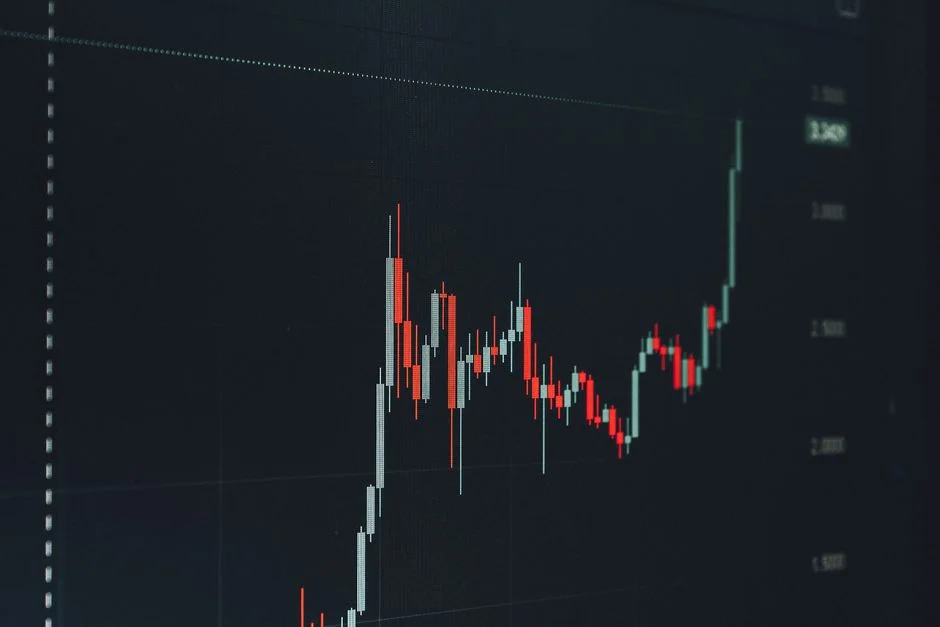
The listing arrives amid a renewed appetite for technology IPOs following a prolonged drought. SpaceX's revenue, driven primarily by its Starlink satellite internet division and NASA contracts, exceeded $8.7 billion last year, according to documents reviewed by financial outlets. That growth trajectory convinced fund managers to commit capital despite the lofty valuation. The company has not yet commented publicly on pricing, though Elon Musk confirmed the details via his social media platform.
Why Saudi Aramco's Record Fell
Saudi Aramco's 2019 IPO raised $29.4 billion and valued the oil giant at $1.7 trillion. The listing was designed to diversify the Saudi economy and attracted sovereign wealth funds from the Gulf and Asia. SpaceX's offering surpasses that total, a remarkable feat for a company that did not exist two decades ago. The comparison highlights how investor enthusiasm has shifted from fossil fuels toward commercial space ventures and satellite infrastructure.
The timing also matters. Aramco listed when oil markets were stable and interest rates were near zero. SpaceX enters the market with borrowing costs elevated but with a customer base spanning governments, airlines, and rural consumers. The structural difference in revenue predictability played a role in how aggressively bankers priced the deal. Saudi Aramco declined to comment on SpaceX's listing.
Elon Musk's Control and Investor Implications
Musk will retain approximately 42% voting control following the IPO, ensuring strategic decisions remain with the founder despite the influx of public shareholders. Dual-class share structures are common in technology IPOs but rare in aerospace, where government contracts typically demand transparency. The arrangement satisfied institutional investors who wanted exposure without ceding Musk's authority over long-term projects like Mars colonisation.
Retail traders face a different challenge. The $135 price puts a single share beyond the reach of some smaller investors, though fractional share platforms are expected to facilitate participation. Musk has historically resisted pressure to split shares, arguing that serious shareholders should commit meaningfully. The company earned $2.3 billion in net income last year, offering a rare profit alongside its growth story.
Market Ripples Across Aerospace and Tech
SpaceX competitors including Rocket Lab, Astra, and Jeff Bezos's Blue Origin saw mixed reactions to the news. Rocket Lab's shares fell 4% in early trading on concerns that capital would flow toward the dominant player. Blue Origin, still privately held, may face renewed pressure to pursue its own listing. Established defence contractors such as Lockheed Martin and Northrop Grumman also slipped, as analysts warned of margin compression in government launch contracts.
The broader technology sector watched closely. SpaceX joins Apple, Nvidia, and Microsoft as one of the most-watched stocks heading into its debut. Options markets priced in significant volatility, with some analysts forecasting a first-day surge exceeding 30%. The listing coincides with a busy earnings season, meaning institutional managers will need to balance SpaceX allocations against existing technology holdings.
What Happens Next
SpaceX shares are expected to begin trading Thursday under the ticker symbol SPX. The company has indicated it may conduct a secondary offering within six months to raise additional capital for Starship development. Musk outlined plans to expand Starlink coverage over Africa and Southeast Asia, markets where satellite internet penetration remains low. Those expansion plans will require significant capital expenditure, making the IPO proceeds critical to execution.
Regulators in Washington are reviewing the listing's national security implications given SpaceX's classified government work. The Commerce Department cleared the offering last month, though some senators have called for closer scrutiny of foreign ownership. Foreign investors can participate, but holdings above certain thresholds require additional disclosure. Watch for any statements from the Pentagon in the coming weeks regarding contract implications.
See Also
- Deloitte India Demands Companies Embrace AI Now for Economic Resilience
- Japan and UNESCO Equip 15 Nigerian Colleges with ICT for Teacher Training
Options markets priced in significant volatility, with some analysts forecasting a first-day surge exceeding 30%. Those expansion plans will require significant capital expenditure, making the IPO proceeds critical to execution.Regulators in Washington are reviewing the listing's national security implications given SpaceX's classified government work.
What is the latest news about spacex prices ipo at 135 and its already the largest ever?
Why does this matter for politics-world?
What are the key facts about spacex prices ipo at 135 and its already the largest ever?