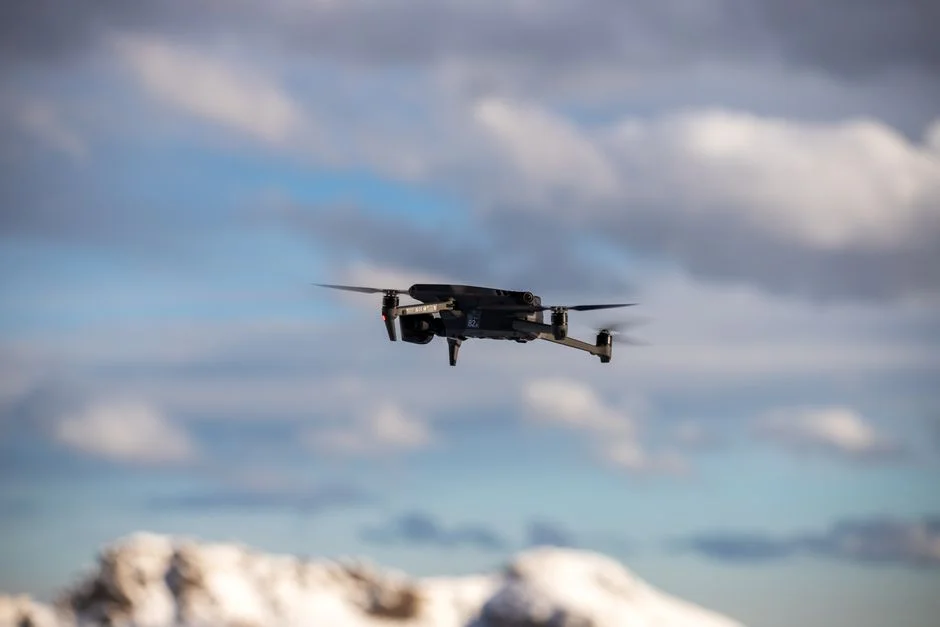
Portugal's Foreign Ministry summoned the Russian ambassador on Tuesday over a drone that crossed into Romanian airspace, leading to heightened tensions in Eastern Europe. This incident occurred near the border with Ukraine, where the conflict continues to escalate, raising concerns among NATO allies, particularly following the recent wave of unexplained drone activity.
Drone Incident Details Spark International Concern
The drone allegedly originated in Russia and penetrated Romanian territory on October 17, 2023. Romania, a NATO member, reported that the drone caused no casualties or damage but highlighted the potential military implications of such breaches. The Portuguese government is taking the matter seriously, underscoring the need for clarity from Moscow.

Portugal's action reflects a growing unease among European nations regarding Russian military operations near their borders, especially as the Ukraine conflict shows no signs of abating. The Portuguese Foreign Minister, João Gomes Cravinho, is expected to push for a coordinated response from NATO in light of this incident.
Market Reactions and Investment Implications
The drone strike has already affected market sentiments, particularly in Eastern Europe. The Euro fell by 0.5% against the US dollar immediately following the news, indicating investor apprehension about regional stability. Cautious investors are likely to reassess their holdings in companies with significant exposure to Eastern European markets.
In the longer term, businesses that rely on stability in the region may experience heightened operational risks. Industries such as energy and transportation, which are notably sensitive to geopolitical tensions, might see fluctuations in stock prices. For instance, shares in major energy companies with operations in Eastern Europe have begun to see downward pressure as uncertainty rises.
Geopolitical Context and Historical Background
Portugal’s response highlights a historical context where Eastern Europe continuously grapples with security threats stemming from Russian aggression. Following the annexation of Crimea in 2014, many countries, including Portugal, have maintained a vigilant stance toward Russia, reinforcing NATO's eastern flank.
Romania has been particularly vocal about enhancing its military readiness since the onset of the Ukraine conflict. Increased defence spending and military exercises with NATO allies have been part of Romania's strategic posture to deter further incursions. These actions may impact overall defence contracts across the region, affecting military suppliers and contractors.
Potential Consequences for Global Trade
Should tensions escalate, global supply chains could face disruptions. The Danube River, a crucial waterway for trade in Europe, runs through Romania and may be impacted by increased military activity. If shipping routes become volatile, this could lead to higher goods prices across Europe and subsequently affect American consumers.
Furthermore, the agriculture sector might experience delays in transportation and distribution if operations in Eastern Europe suffer from instability. Investor strategies could shift towards safer assets, such as commodities, which may see increased demand as a hedge against uncertainty.
Next Steps and What to Watch
As the situation develops, markets will be closely monitoring reactions from NATO and individual member states regarding their stance on the incident. A formal response from NATO within the next few weeks could set the tone for how member countries engage with Russia moving forward.
Investors should keep an eye on economic indicators emerging from the Eurozone, as any sign of diminishing consumer confidence or economic outlook could lead to broader market shifts. Analysts will also be assessing the implications for energy prices, particularly if new sanctions against Russia are discussed following this incident.
See Also
- Microsoft Unveils Project Solara: Android Without Apps — Investors Are Watching
- Portuguesa's Andebol Team Reacts to Penalty: "A Worrisome Precedent"