Donald Trump has given the green light for a new Nvidia chip to enter the Chinese market, but Beijing has surprisingly declined the offer. This unexpected move creates immediate uncertainty for investors watching the semiconductor sector. The decision disrupts established trade flows and raises questions about China’s strategic autonomy in tech.
The Unexpected Rejection of a Key Tech Import
The White House recently confirmed that Nvidia’s latest processor, designed specifically to fit within US export controls, is ready for sale in Shanghai and other major hubs. However, Chinese officials have signaled that the chip may not meet their long-term technological needs. This rejection comes as a shock to Wall Street, where Nvidia is often viewed as a primary beneficiary of US-China trade normalization.
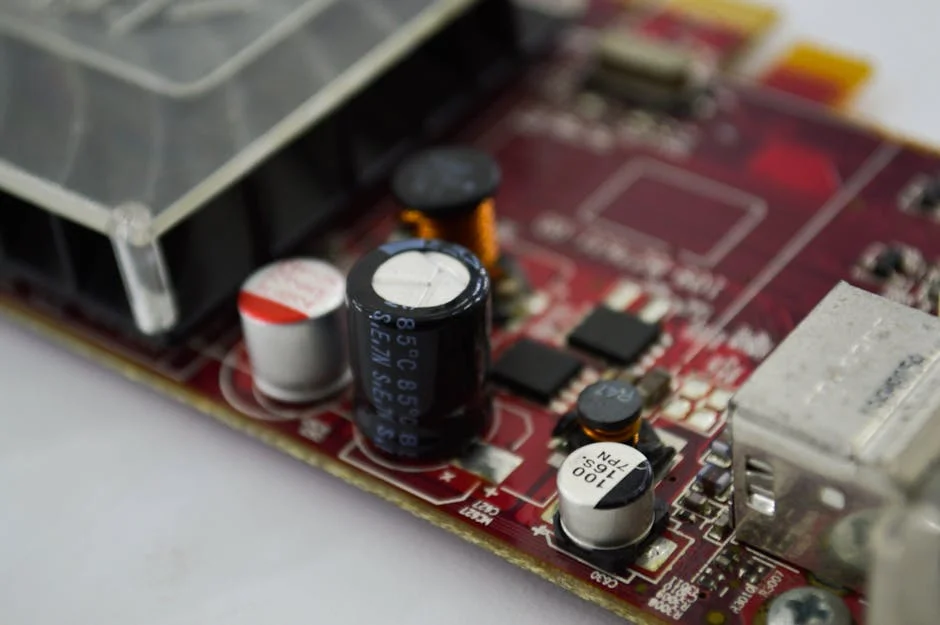
Investors are now scrambling to understand the rationale behind Beijing’s decision. The chip in question was engineered to balance performance with the US desire to keep Chinese AI capabilities from overtaking American dominance. By turning it down, China signals that it values supply chain security over immediate access to cutting-edge hardware.
This move has immediate implications for Nvidia’s revenue projections. China has historically accounted for a significant portion of the semiconductor giant’s earnings. If Beijing decides to rely more on domestic alternatives or older models, Nvidia’s stock could face volatility in the coming quarters. Markets hate uncertainty, and this diplomatic twist introduces a new variable.
Economic Implications for US Semiconductor Firms
The rejection highlights the fragility of the US tech export model. American companies like Nvidia have spent years tailoring products to fit the whims of foreign regulators. Now, they face a market that is becoming increasingly self-reliant. This shift could force US firms to invest more heavily in domestic production or look to other emerging markets in Asia and Europe.
For the broader US economy, this development underscores the complexity of decoupling from Chinese demand. The semiconductor industry is capital-intensive and relies on global supply chains. If China slows its purchases of US chips, American manufacturers may see a temporary dip in revenue. This could lead to hiring freezes or delayed expansion plans in tech hubs like Austin and San Jose.
Market Reactions and Investor Sentiment
Traders on the New York Stock Exchange reacted with caution to the news. Nvidia’s shares experienced a modest pullback as analysts revised their earnings forecasts. The market is pricing in the risk that China might accelerate its adoption of homegrown chips, reducing Nvidia’s market share in the region. Investors are closely watching quarterly reports for signs of slowing demand from Chinese cloud providers.
The uncertainty also affects other US tech giants that rely on Nvidia’s processors for data centers and AI development. If Nvidia’s China sales slow, the ripple effect could be felt across the entire tech ecosystem. Software companies and hardware integrators may need to adjust their pricing strategies to account for potential supply chain disruptions.
China’s Strategic Pivot in Technology
Beijing’s decision reflects a broader strategy to reduce dependence on American technology. The Chinese government has been pouring billions into its domestic semiconductor industry, aiming to achieve self-sufficiency by 2030. This initiative includes heavy investments in firms like SMIC and Huawei. By rejecting the Nvidia chip, China demonstrates confidence in its own technological trajectory.
This strategic pivot has significant economic consequences. It could lead to a bifurcation of the global tech market, with one ecosystem dominated by US standards and another by Chinese innovations. For businesses operating in both regions, this means maintaining two separate supply chains, which increases costs and operational complexity. Companies must now decide whether to prioritize the US or Chinese market.
The move also sends a message to other US tech firms that their products are not immune to political shifts. Companies like Intel and Qualcomm may face similar hurdles as China seeks to diversify its tech imports. This could lead to a more fragmented global market, where trade barriers are higher and competition is more intense.
Impact on Global Supply Chains
The semiconductor supply chain is already under pressure from geopolitical tensions. The rejection of the Nvidia chip adds another layer of complexity. Manufacturers must now consider the risk of sudden policy changes when planning their production schedules. This could lead to higher inventory levels and increased costs for consumers.
For global businesses, this development highlights the importance of supply chain resilience. Companies are increasingly looking to diversify their supplier base to mitigate risks. This trend is driving investment in manufacturing facilities in countries like Vietnam, India, and Mexico. These regions are becoming key players in the global tech supply chain.
The impact extends beyond semiconductors. Other high-tech industries, such as electric vehicles and renewable energy, may face similar challenges as China seeks to dominate these sectors. This could lead to a more competitive global market, with lower prices for consumers but higher costs for producers.
Investor Strategies in a Shifting Landscape
Investors need to adjust their strategies to account for this new reality. Diversification is key. Investors should consider spreading their tech holdings across different regions and sectors to mitigate risks. This includes looking at European and Asian tech firms that may benefit from China’s growing self-reliance.
Additionally, investors should pay close attention to policy announcements from both Washington and Beijing. Trade policies can change quickly, and staying informed is crucial for making sound investment decisions. Monitoring the quarterly earnings reports of major tech firms will provide valuable insights into how the market is reacting to these shifts.
Long-term investors may want to consider the growth potential of domestic Chinese tech firms. As China invests more in its own semiconductor industry, these companies could see significant growth. However, this comes with its own set of risks, including political instability and regulatory changes.
Future Outlook and What to Watch
The situation remains fluid, and both sides are likely to engage in further negotiations. The next few months will be critical in determining the long-term impact of this decision. Investors and businesses should watch for any changes in US export controls or Chinese subsidy programs. These policy shifts could significantly alter the competitive landscape.
Key dates to monitor include the upcoming quarterly earnings reports from Nvidia and other major tech firms. These reports will provide concrete data on how the rejection of the chip is affecting sales and profits. Additionally, any new announcements from the White House or Beijing regarding trade policies will be crucial for understanding the direction of the market.
For businesses, the focus should be on building flexibility into their supply chains. This includes establishing relationships with multiple suppliers and maintaining higher inventory levels. For investors, the key is to stay informed and diversified. The tech market is evolving rapidly, and those who adapt quickly will be best positioned to capitalize on new opportunities.
See Also
- ANC and SACP Shake Up Political Landscape — Economic Impact Looms
- UK Court Rules Against Giggle for Girls, Doubling Damages
For global businesses, this development highlights the importance of supply chain resilience. The next few months will be critical in determining the long-term impact of this decision.