Uber's head of India operations, Prabhjeet Singh, is moving to OpenAI as managing director for the country, the companies confirmed this week. Singh has spent years navigating India's fiercely competitive ride-hailing market, where Uber competes head-to-head with local giant Ola. His departure from Uber marks a significant leadership change at a time when the San Francisco-based firm is fighting to maintain its position in one of the world's fastest-growing mobility markets. OpenAI, meanwhile, is pushing hard to expand its commercial footprint across Asia's third-largest economy.
What Singh Brings to OpenAI
Singh's tenure at Uber spanned multiple roles over several years, giving him deep exposure to India's regulatory quirks, partnership dynamics, and consumer habits. He managed the company's day-to-day operations across dozens of cities, overseeing driver recruitment, fleet management, and negotiations with local governments. Industry watchers say his grounding in India's complex business environment makes him a natural fit for OpenAI's push to sell its AI products to enterprises and startups in the region. "He's seen what it takes to build a technology business on the ground here," said one senior executive at a rival firm, speaking on condition of anonymity.
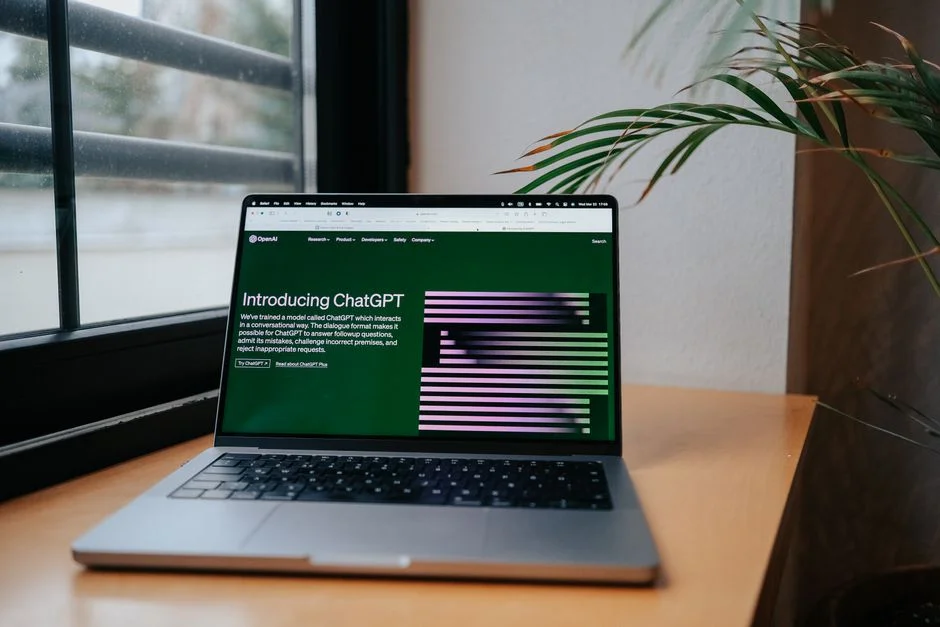
OpenAI has been quietly building its India team over the past eighteen months, hiring engineers and sales staff in Bengaluru and Mumbai. The company opened its first official office in New Delhi last year. Bringing in a seasoned operator like Singh signals that the commercial side of the business is now the priority. The move also reflects a broader trend of Silicon Valley firms plucking experienced regional leaders from legacy tech companies rather than promoting from within.
Why OpenAI Is Doubling Down on India
India represents a massive untapped market for AI services. The country's enterprise software market is worth an estimated $12 billion annually, and analysts expect AI-related spending to grow by more than 30 percent each year through 2027. For OpenAI, which has faced increasing competition from Anthropic, Google, and Meta, India offers a chance to sign up new customers in a market where ChatGPT already has tens of millions of registered users. The company has struck deals with several Indian IT services firms to embed its models into their workflows, but direct enterprise sales remain a smaller piece of the pie compared with consumer licensing.
The Enterprise AI Race in India
Microsoft, through its Azure OpenAI partnership, has a head start in India's corporate AI market. Google has been rolling out Gemini to business customers in Mumbai and Hyderabad. Amazon's AWS division has trained thousands of Indian developers on its Bedrock platform. OpenAI needs Singh to navigate procurement cycles, data sovereignty rules, and relationship-building with conglomerates like Tata Consultancy Services and Infosys that shape how AI gets adopted across the economy. Without a leader who understands how deals actually get done in India, the company risks being locked out of contracts that could define its market position for years.
Uber's Challenge in India After Singh
Losing Singh creates an immediate leadership gap at Uber India. The company has not yet named a replacement, and internal sources say the transition is expected to take several weeks. Uber has faced renewed pressure in India following Ola's expansion into electric vehicles and food delivery. Last quarter, Uber reported that India accounted for a growing share of its bookings, but profit margins in the country remain thin compared with the United States or Europe. The company will need to move quickly to steady the ship internally while fending off a competitor that has deep roots in Bangalore and strong political connections in New Delhi.
What This Means for Investors
For Uber shareholders, the timing of Singh's departure is inconvenient but not catastrophic. India contributes roughly 12 percent of Uber's total trips, making it the company's second-largest market after North America. Any disruption to leadership could slow the execution of local partnerships or regulatory approvals that the business depends on. Analysts covering Uber noted that the company's stock has underperformed the Nasdaq this year, and losing a high-profile executive adds to investor concerns about talent retention in key markets. OpenAI, backed by Microsoft and valued at recent funding rounds above $80 billion, can absorb the cost of competitive compensation packages to attract Singh and others like him.
The Talent War in Tech Intensifies
Singh's move illustrates how aggressively AI companies are scooping up operational talent from traditional tech. Over the past year, OpenAI has hired former executives from Amazon, Stripe, and Shopify to build out its go-to-market capabilities. The strategy is straightforward: AI models are becoming commoditised, and the companies that win will be those that can sell, deploy, and support them at enterprise scale. That requires people who understand how businesses actually buy software, not just how to train large language models. Uber, which has its own AI ambitions through its Aurora-powered autonomous vehicle program, now faces the prospect of competing for the same pool of experienced operators.
Looking Ahead
Singh is expected to start at OpenAI by the end of next month. His first tasks will include assembling a commercial leadership team and establishing direct relationships with India's top corporate buyers. The AI firm has indicated it plans to announce several new India partnerships before the end of the quarter, with announcements likely timed around a major technology conference scheduled for February in Bengaluru. For now, both companies face pressure to execute smoothly during the transition. Uber needs to prove it can hold the line in India without Singh. OpenAI needs him to deliver results in a market where AI adoption is accelerating but competition is brutal.
See Also
- US Health Officials Warn of New Flu Strain — Hospital Beds Filling Fast
- Brazil's Real Surges 8% on Central Bank Intervention