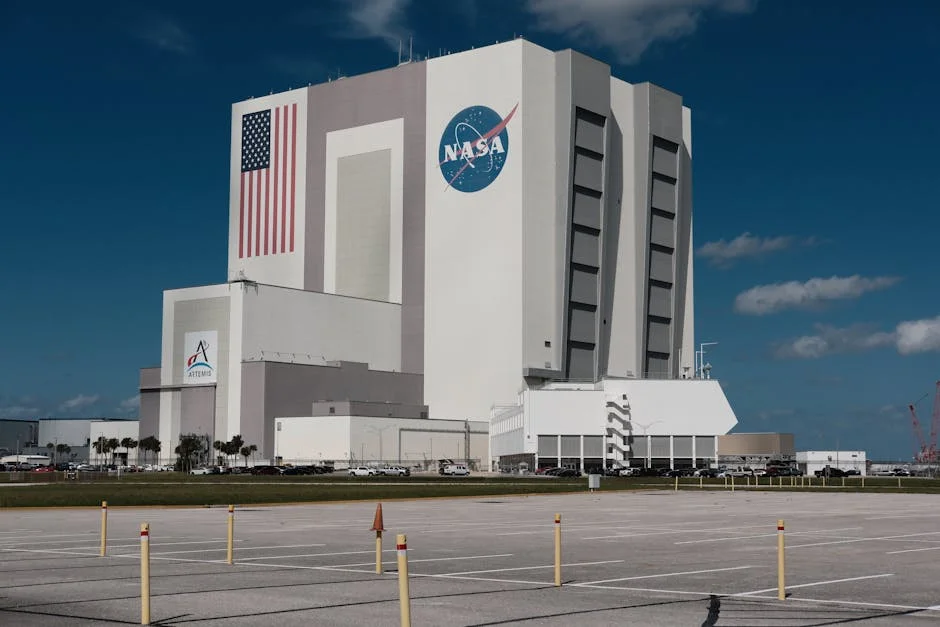
SpaceX has officially unveiled a significantly enlarged version of its Starship rocket, signaling a major shift in the commercial space sector. This development in Texas marks a pivotal moment for the company founded by Elon Musk, as it prepares to dominate low-Earth orbit. The announcement has triggered immediate reactions from investors and competitors alike, highlighting the growing economic stakes of space exploration.
Starship Expansion Signals New Market Dominance
The updated Starship vehicle features enhanced payload capacity and improved reusability metrics, directly targeting the booming satellite internet market. This expansion is not merely technical; it is a strategic economic move to secure long-term contracts with global telecommunications firms. By increasing efficiency, SpaceX aims to lower the cost per kilogram of payload, a key metric for investors evaluating the space sector.

Market analysts are closely monitoring how this upgrade affects the valuation of SpaceX, which recently soared to over $200 billion. The company's ability to deliver on these technical promises will determine whether its market capitalization holds steady or surges further. Competitors such as Blue Origin and Boeing are now under pressure to accelerate their own development cycles to remain competitive.
Economic Impact on Satellite Communications
The satellite communications industry stands to benefit immensely from SpaceX’s technological advancements. With lower launch costs, smaller satellite operators can enter the market with greater financial flexibility. This democratization of access to space could spur innovation in sectors ranging from agriculture to global connectivity.
However, the sheer scale of SpaceX’s Starlink constellation raises questions about market saturation. As more satellites fill low-Earth orbit, the risk of congestion and space debris increases. Regulators in Washington, D.C., are already considering new policies to manage orbital traffic, which could impact licensing costs for all space businesses.
Regulatory Hurdles and Policy Changes
The Federal Aviation Administration (FAA) plays a crucial role in approving each Starship launch, a process that can be both time-consuming and expensive. Any delays in regulatory approval could disrupt SpaceX’s launch schedule and affect its revenue projections. Investors are watching these bureaucratic hurdles closely, as they represent a tangible risk to the company’s growth trajectory.
Moreover, international space agencies are beginning to coordinate efforts to standardize regulations across borders. This global approach could create new opportunities for cross-border partnerships but also introduce complexity for companies operating in multiple jurisdictions. The outcome of these regulatory shifts will shape the competitive landscape for years to come.
Investor Sentiment and Stock Market Reactions
Although SpaceX remains a private company, its funding rounds and secondary market trades provide valuable insights into investor sentiment. The recent announcement has led to increased interest from venture capital firms and institutional investors seeking exposure to the space economy. This influx of capital can drive further innovation but also raises the stakes for performance.
Publicly traded space companies have seen their stock prices fluctuate in response to SpaceX’s moves. For instance, shares of competitors like Rocket Lab and Virgin Galactic have experienced volatility as investors reassess the competitive dynamics. This ripple effect underscores the interconnectedness of the space sector and its broader influence on the technology market.
Supply Chain Implications for Aerospace
The expansion of Starship has significant implications for the aerospace supply chain. Suppliers of advanced materials, engines, and electronic components are seeing increased demand as SpaceX ramps up production. This surge in activity can lead to price adjustments and new investment opportunities within the supply network.
Companies located in Texas and Florida, where SpaceX has major manufacturing hubs, are experiencing economic boosts from job creation and local spending. These regional effects highlight the broader economic impact of the space industry beyond just the companies directly involved. Local governments are also beginning to tailor incentives to attract more space-related businesses.
Competition and Strategic Responses
Blue Origin, founded by Jeff Bezos, is one of SpaceX’s most formidable competitors. The company is accelerating its New Glenn rocket program to challenge SpaceX’s dominance in the medium-lift launch market. This competition drives innovation but also increases the financial burden on both companies as they race to capture market share.
Boeing, a traditional aerospace giant, is also adapting its strategies to remain relevant in the commercial space sector. The company’s Starliner spacecraft and upcoming launch vehicles are designed to complement its satellite manufacturing business. However, Boeing faces the challenge of balancing its legacy infrastructure with the agile, cost-conscious approach of newer entrants like SpaceX.
Long-Term Economic Outlook for Space
The long-term economic outlook for the space sector remains optimistic, driven by technological advancements and increasing commercial demand. Experts predict that the global space economy could reach $1 trillion by 2040, with launches and satellite services forming the core of this growth. SpaceX’s continued innovation is likely to be a primary driver of this expansion.
However, challenges such as funding volatility, regulatory uncertainty, and technological risks persist. Investors must carefully evaluate these factors when making decisions in the space sector. The ability of companies like SpaceX to navigate these challenges will determine the sustainability of their growth and the overall health of the industry.
As SpaceX prepares for its next major launch, the market will watch closely for signs of operational success or unexpected hurdles. The outcome of these upcoming missions will provide critical data points for investors and analysts assessing the future of commercial spaceflight. Keeping an eye on launch schedules and regulatory updates will be essential for those looking to capitalize on this evolving market.
See Also
- Microsoft Forces Enterprise Buyers to Act Before July Price Hike
- Rod Stewart Reveals Cancer Diagnosis — Shares Impact on Music Industry
These regional effects highlight the broader economic impact of the space industry beyond just the companies directly involved. The outcome of these upcoming missions will provide critical data points for investors and analysts assessing the future of commercial spaceflight.