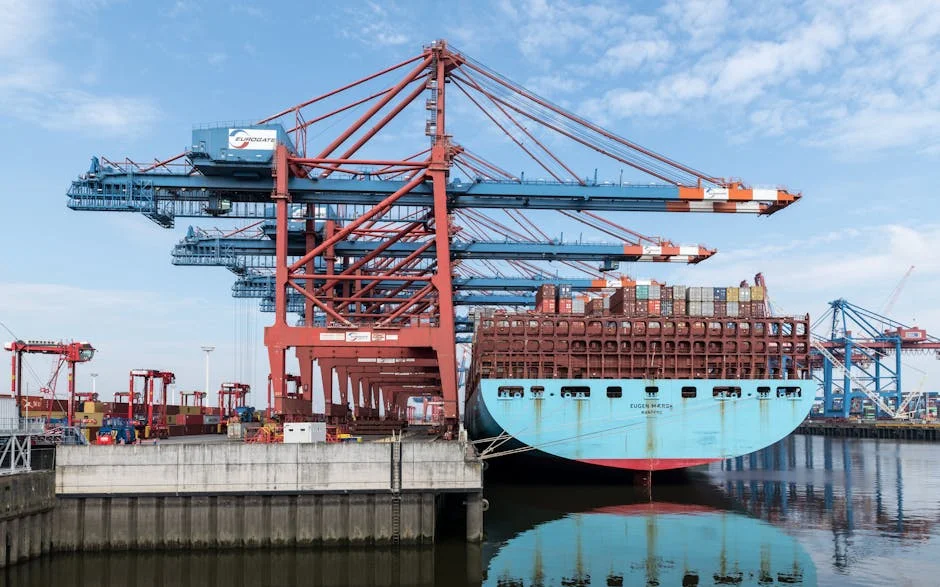
Terminal Multi Services Limited has deployed a new ICT-driven facility to overhaul customs operations, a strategic move designed to slash clearance times and inject liquidity into regional trade corridors. This infrastructure upgrade directly impacts the supply chain efficiency for importers and exporters, reducing the cost of doing business in key port cities. Investors are watching closely as these operational changes promise to enhance the profitability of logistics firms operating in the region.
Strategic Investment in Digital Infrastructure
The donation of the new facility represents a shift from traditional hardware upgrades to integrated digital ecosystems. Terminal Multi Services Limited recognized that legacy systems were creating bottlenecks that cost traders thousands of dollars in demurrage and storage fees. By introducing advanced Information and Communication Technology, the company aims to create a seamless data flow between customs authorities and private sector stakeholders. This digital transformation is not merely an operational tweak but a fundamental restructuring of how goods are tracked and cleared.
Ascanio Russo, the Managing Director, emphasized that the goal is to reduce human error and increase transparency in the customs clearance process. His leadership has focused on aligning technological capabilities with market demands, ensuring that the port infrastructure can handle increasing volumes of cargo without proportionate increases in cost. This approach signals to investors that Terminal Multi is committed to long-term value creation through efficiency gains rather than just capacity expansion. The market has responded positively to this clarity of vision.
Economic Impact on Regional Trade
Efficiency in port operations is a critical determinant of a region’s competitiveness in global trade. When customs clearance times drop, inventory holding costs decrease, allowing businesses to turn over stock faster and improve cash flow. For small and medium-sized enterprises that often lack the capital reserves of larger conglomerates, this reduction in friction can be the difference between profit and loss. The new ICT facility is expected to process data faster, allowing for real-time updates on cargo status and reducing the uncertainty that often plagues supply chains.
From a macroeconomic perspective, smoother trade flows contribute to lower inflationary pressures. When goods arrive and clear customs quickly, they reach consumers faster, stabilizing prices for essential commodities. This is particularly important in economies where import dependence is high. The efficiency gains generated by Terminal Multi’s investment can therefore have a ripple effect, influencing consumer price indices and overall economic stability. Investors monitoring inflation trends should pay attention to these logistical improvements as leading indicators of price stability.
Supply Chain Resilience and Cost Reduction
The integration of ICT tools enhances supply chain resilience by providing better visibility into the movement of goods. Companies can now track their cargo from the dock to the warehouse with greater precision, allowing for better planning and resource allocation. This visibility reduces the need for buffer stocks, freeing up capital that can be reinvested into growth or used to service debt. For logistics providers, this means higher throughput and better utilization of assets, which directly boosts earnings per share.
Cost reduction is another critical benefit of the new facility. Automated systems reduce the need for manual data entry, which is often prone to errors and delays. Fewer errors mean fewer disputes with customs authorities, leading to faster releases and lower administrative costs. These savings can be passed on to consumers or retained by businesses to improve their bottom line. The market will likely reward companies that can demonstrate these cost efficiencies in their quarterly reports.
Investor Perspective and Market Reaction
For investors, the deployment of new ICT infrastructure by a major player like Terminal Multi Services Limited is a signal of confidence in the regional economy. It suggests that management believes the trade volumes will justify the investment and that the returns will be substantial. This can lead to increased investor interest in the logistics and port operations sector, potentially driving up stock prices and improving valuation multiples. Analysts will be looking for concrete metrics on clearance times and cost savings in the coming quarters to validate these expectations.
The market reaction to such announcements often reflects broader sentiments about economic stability and growth. If Terminal Multi’s upgrades lead to measurable improvements in efficiency, it could attract foreign direct investment into the region. International companies are increasingly looking for reliable logistics partners when expanding into new markets, and an efficient port is a key selling point. This could lead to a virtuous cycle of investment, growth, and further infrastructure development, benefiting shareholders and the broader economy.
Competitive Dynamics in the Logistics Sector
Terminal Multi’s move is likely to intensify competition within the logistics sector. Other port operators and logistics providers will need to accelerate their own digital transformation efforts to remain competitive. This could lead to a wave of consolidation or strategic partnerships as companies seek to leverage each other’s strengths. Investors should watch for announcements of mergers, acquisitions, or joint ventures in the sector, as these often follow major infrastructure upgrades. The competitive pressure will drive innovation and efficiency across the board.
Competition also benefits end-users, who can expect better services and potentially lower prices as providers strive to differentiate themselves. This consumer surplus is an often-overlooked benefit of infrastructure investment. As logistics companies compete on efficiency and service quality, the overall cost of trade decreases, making regional goods more competitive in global markets. This can lead to an expansion of export volumes, further boosting economic growth and creating jobs.
Long-Term Strategic Implications
The long-term implications of this ICT-driven upgrade extend beyond immediate efficiency gains. It positions Terminal Multi as a leader in digital logistics, attracting tech-savvy partners and customers. This brand equity can be valuable in negotiations with shipping lines, customs authorities, and other stakeholders. Furthermore, the data generated by the new ICT systems can be leveraged for predictive analytics, allowing for even greater optimization of operations in the future. This data advantage could become a key moat for Terminal Multi, protecting its market share against new entrants.
From a policy perspective, the success of Terminal Multi’s initiative could influence government decisions on port modernization. If the private sector can demonstrate the benefits of ICT integration, governments may be more willing to invest in similar upgrades or offer incentives for private investment. This public-private synergy can accelerate the modernization of the entire logistics ecosystem, creating a more attractive investment climate for the region. Investors should monitor policy developments in the sector, as government support can significantly enhance the returns on infrastructure investments.
What to Watch Next
Investors and market participants should closely monitor the first quarterly reports following the full deployment of the new ICT facility. Key metrics to watch include average clearance times, demurrage costs, and customer satisfaction scores. Any significant improvements in these areas will validate the strategic investment and likely drive further market confidence. Additionally, watch for announcements of partnerships or technology integrations that build on this initial upgrade, as these will signal the next phase of Terminal Multi’s digital transformation journey. The coming six months will be critical in determining whether these operational changes translate into sustained financial performance.
Analysts will be looking for concrete metrics on clearance times and cost savings in the coming quarters to validate these expectations. The market reaction to such announcements often reflects broader sentiments about economic stability and growth.