Airline networks across the Atlantic are contracting sharply as soaring jet fuel prices force carriers to trim capacity by two million seats. This sudden reduction in supply is reshaping travel costs and corporate travel budgets across the United States and the United Kingdom. Investors are watching closely to see how these cuts will impact quarterly earnings for major aviation groups.
Jet Fuel Prices Drive Capacity Cuts
The primary driver of this contraction is the volatility in global oil markets. Jet fuel costs have surged to multi-year highs, squeezing profit margins for airlines that operate on thin margins. Carriers in the United States and the United Kingdom have responded by halting flights on less profitable routes. This strategic retreat is designed to preserve cash flow but comes at the cost of reduced consumer choice.
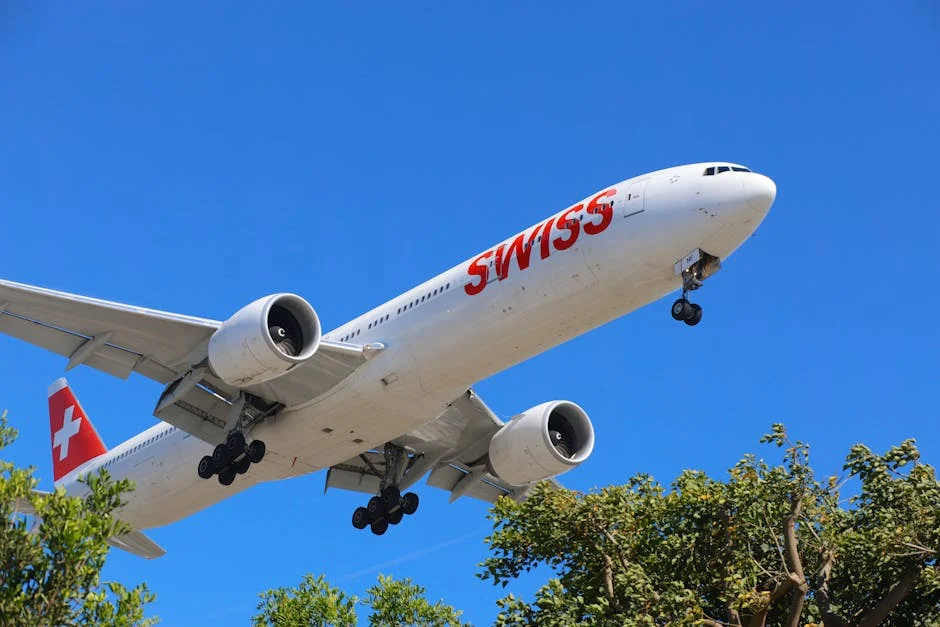
Market data shows that fuel can account for up to 35 percent of an airline's operating expenses. When oil prices spike, airlines often face a difficult choice between raising ticket prices or cutting seats. Most major carriers have opted for a combination of both strategies. This dual approach is intended to stabilize revenue per available seat mile, a key metric for investors.
The impact is immediate for business travelers who rely on specific flight schedules. Companies in London and New York are seeing their logistics plans disrupted as direct flights are replaced by connections. This inefficiency adds time and cost to business operations, potentially slowing down commercial activity in key economic hubs.
Market Reaction and Investor Sentiment
Financial markets have reacted swiftly to the announcement of these seat cuts. Shares of major airline groups have experienced increased volatility as analysts reassess earnings forecasts. Investors are particularly concerned about the sustainability of ticket prices if demand does not keep pace with the reduced supply. This uncertainty is weighing on the broader transportation sector.
Analysts at major investment firms are pointing to the risk of inflationary pressure on travel costs. When supply shrinks, prices tend to rise, which can dampen consumer spending in other sectors. This dynamic is a key concern for central banks monitoring inflation trends in the United States and the United Kingdom. The ripple effects could influence monetary policy decisions in the coming months.
Corporate travel managers are also adjusting their budgets in response to these changes. Many companies are implementing stricter travel policies to control costs, which could lead to a shift towards digital meetings. This trend could have long-term implications for the business travel market, potentially reducing overall demand for air travel.
Impact on Airline Stocks
Stock performance in the aviation sector reflects the tension between higher ticket prices and lower volume. Airlines with strong hedging strategies are outperforming their peers, as they can lock in lower fuel costs for longer periods. Investors are favoring carriers with diversified route networks that allow for greater flexibility in adjusting capacity.
Conversely, airlines with heavy debt loads are facing increased pressure as interest rates remain elevated. The combination of high fuel costs and higher interest expenses is squeezing cash flows. This financial strain could lead to further route cuts or even mergers in the sector, reshaping the competitive landscape.
Business Travel Disruptions
The reduction in seat availability is creating significant challenges for businesses that rely on air travel. Companies in the United States and the United Kingdom are finding it harder to secure seats on peak travel days. This scarcity is driving up the cost of business class tickets, which are often preferred for corporate travelers.
Logistics companies are also feeling the pinch as cargo space on passenger planes becomes more valuable. Many airlines rely on belly-hold cargo to generate additional revenue, and reduced flight frequency means less cargo capacity. This could lead to higher shipping costs for goods, adding to inflationary pressures in the retail sector.
Small and medium-sized enterprises are particularly vulnerable to these changes. Larger corporations can often negotiate better rates with airlines, but smaller businesses may face steeper price increases. This disparity could affect the competitiveness of smaller firms in global markets, where travel is often a key component of business development.
Economic Implications for the United States
The impact of these flight cuts extends beyond the aviation sector, influencing broader economic indicators in the United States. Travel is a major component of consumer spending, and higher costs could lead to reduced discretionary income for households. This could slow down economic growth, particularly in tourism-dependent regions.
Employment in the aviation sector is also at risk. Airlines may delay hiring or even lay off staff if demand does not recover quickly. This could have a ripple effect on local economies, where airports are often major employers. Job losses in the aviation sector could increase unemployment rates in key metropolitan areas.
Government officials are monitoring the situation closely, as the aviation sector is a significant contributor to the national economy. Policies that support the industry, such as tax incentives or infrastructure investments, could help mitigate the impact of rising fuel costs. However, the effectiveness of these measures will depend on the duration of the fuel price surge.
United Kingdom Market Dynamics
In the United Kingdom, the impact of seat cuts is being felt across a range of industries. London, as a global financial hub, relies heavily on air connectivity to maintain its competitive edge. Reduced flight frequency could make London less attractive to international businesses, potentially affecting foreign direct investment.
The UK government is also concerned about the impact on tourism, which is a key driver of economic recovery post-pandemic. Higher travel costs could deter international visitors, leading to reduced spending in the hospitality and retail sectors. This could slow down the recovery of the tourism industry, which has been a significant contributor to GDP growth.
British airlines are facing additional challenges due to the strength of the pound against the dollar. Since jet fuel is priced in dollars, a stronger pound can provide some relief, but this advantage is often offset by higher operational costs in the UK. Airlines are therefore looking for ways to improve efficiency and reduce costs to remain competitive.
Consumer Impact and Pricing Strategies
Consumers are feeling the pinch as ticket prices rise in response to reduced capacity. Families planning vacations are facing higher costs, which could lead to deferred travel plans. This shift in consumer behavior could affect the broader economy, as travel spending is a significant component of consumer expenditure.
Airlines are also adjusting their pricing strategies to maximize revenue. Dynamic pricing models are being used to adjust ticket prices in real-time based on demand and fuel costs. This means that prices can fluctuate significantly, making it difficult for consumers to find the best deals. This uncertainty is adding to consumer frustration and could lead to a decline in customer loyalty.
Travel agencies and online booking platforms are also adapting to these changes. They are offering more flexible booking options to attract price-sensitive consumers. However, the cost of these flexible options is often passed on to the consumer, further increasing the overall cost of travel. This trend could reshape the travel industry, with a greater emphasis on flexibility and convenience.
Future Outlook and Key Indicators
Looking ahead, the situation remains uncertain as oil prices continue to fluctuate. Investors and businesses are watching key indicators, such as global oil production levels and geopolitical tensions, for signs of stabilization. Any further spikes in fuel prices could lead to additional seat cuts, exacerbating the current challenges.
Airlines are also investing in more fuel-efficient aircraft to mitigate the impact of rising fuel costs. This long-term strategy could help improve profit margins, but it requires significant capital expenditure. The success of these investments will depend on the pace of fleet renewal and the adoption of new technologies.
Regulators in the United States and the United Kingdom are also considering policy measures to support the aviation sector. These could include fuel tax relief or subsidies for airlines operating on key routes. The effectiveness of these measures will depend on their design and the level of political support they receive. Stakeholders should monitor upcoming legislative sessions for potential policy announcements.
See Also
- Lokedi Claims Boston Marathon Victory Amid Record Turnout
- Anthropic Surges Towards Trillion Dollar Valuation — What This Means for Investors
The UK government is also concerned about the impact on tourism, which is a key driver of economic recovery post-pandemic. Future Outlook and Key Indicators Looking ahead, the situation remains uncertain as oil prices continue to fluctuate.