The World Health Organization (WHO) has granted approval for the first malaria vaccine for newborns in Africa, marking a pivotal moment in the fight against one of the continent's deadliest diseases. This development, announced on October 1, 2023, is poised to have significant economic and market implications across the global health and pharmaceutical sectors.
Economic Opportunities for Pharmaceutical Companies
The approval of the new malaria vaccine opens up vast opportunities for pharmaceutical companies aiming to penetrate African markets. With an estimated half a million children under five dying from malaria annually in Africa, the demand for effective vaccines is expected to surge. The WHO's endorsement is likely to encourage international and local pharmaceutical companies to invest in logistics, distribution, and local manufacturing to meet the anticipated demand.
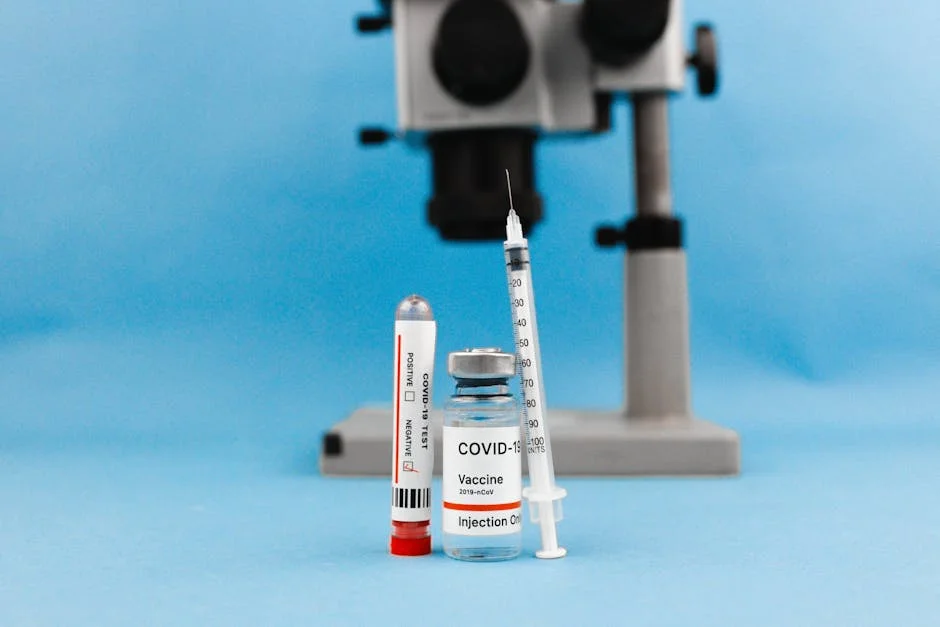
GlaxoSmithKline, a leading pharmaceutical company, has already announced plans to scale up production of the vaccine, known as Mosquirix. The company aims to produce 15 million doses annually by 2025, which could significantly boost its revenues and market share in the region.
Investment and Market Reactions
Investors are closely watching the developments, as the approval could influence stock prices of companies involved in vaccine production and distribution. The news has already sparked interest in healthcare-focused investment funds, as stakeholders anticipate growth in the sector. Analysts predict that the vaccine's rollout will attract increased foreign direct investment (FDI) into healthcare infrastructure in Africa.
Moreover, businesses involved in cold chain logistics and supply chain management stand to benefit. As the vaccine distribution ramps up, the demand for efficient storage and transportation solutions will increase, presenting lucrative opportunities for logistics companies operating in Africa.
Long-term Economic Impact
The introduction of the malaria vaccine is expected to have a profound long-term economic impact on African countries. By reducing malaria-related morbidity and mortality, the vaccine could alleviate the economic burden of the disease, which costs the continent an estimated $12 billion annually in lost productivity.
Lower malaria prevalence could lead to improved workforce productivity, increased school attendance, and enhanced economic stability. This, in turn, could create a more favorable environment for business development and foreign investment, ultimately boosting economic growth in the region.
What to Watch Next
As WHO's approval paves the way for widespread vaccine distribution, stakeholders should monitor the rollout's progress and its impact on malaria incidence rates. Key milestones include the establishment of supply chains, government vaccination campaigns, and partnerships between pharmaceutical companies and African governments.
Looking ahead, the success of the vaccine could prompt further research and development initiatives, leading to advancements in tackling other infectious diseases. Investors and businesses should watch for announcements regarding new partnerships and funding opportunities aimed at expanding healthcare infrastructure in Africa.
Frequently Asked Questions
What is the latest news about who approves first malaria vaccine for newborns market implications loom?
The World Health Organization (WHO) has granted approval for the first malaria vaccine for newborns in Africa, marking a pivotal moment in the fight against one of the continent's deadliest diseases.
Why does this matter for health-medicine?
With an estimated half a million children under five dying from malaria annually in Africa, the demand for effective vaccines is expected to surge.
What are the key facts about who approves first malaria vaccine for newborns market implications loom?
The company aims to produce 15 million doses annually by 2025, which could significantly boost its revenues and market share in the region.Investment and Market ReactionsInvestors are closely watching the developments, as the approval could influence