The real estate sector saw a dramatic dip in institutional inflows during the first quarter of 2023, with investments totalling only $1.6 billion. This marks a sharp 52% decline from the previous quarter, raising questions about the sector's stability and future growth. The shift has significant implications for markets, businesses, and investors alike.
Investment Context and Market Impact
According to data from the National Association of Realtors, the United States experienced a marked decrease in real estate investments compared to the previous quarter. This drop can largely be attributed to broader economic uncertainties and shifts in investor sentiment. As the Federal Reserve continues its policy of tightening interest rates, investor confidence in the realty sector has waned.
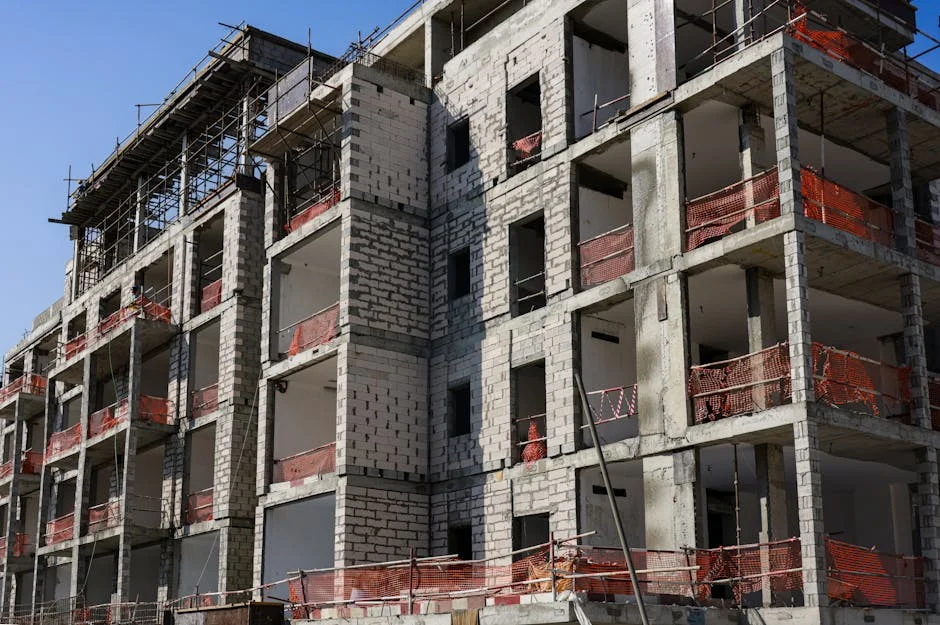
For businesses operating within the real estate market, this decline in inflows could limit access to capital for new projects. Companies may face increased pressure to deliver returns on existing investments while re-evaluating growth strategies. This could potentially slow down the pace of new developments and impact job creation within the sector.
Investor Sentiment and Economic Consequences
Investors are closely monitoring realty performance, especially given the sector's volatile nature in recent months. Many are recalibrating their portfolios, shifting focus toward more stable investment options. This has resulted in a decrease in demand for real estate shares, further impacting market valuations.
Despite the current downturn, some investors remain bullish, considering this period an opportunity to acquire undervalued properties. However, with the ongoing economic challenges, cautious optimism prevails among market participants.
Future Outlook for the Realty Sector
Potential Recovery and Challenges
Looking ahead, the realty sector's recovery will largely depend on macroeconomic factors, including changes in interest rates and inflation. A potential stabilisation in these areas could renew investor interest and restore inflows to more robust levels.
Market experts suggest that the sector might witness a rebound in the latter half of 2023, contingent on improvements in economic conditions. Investors and businesses alike will be watching for signs of recovery, particularly any policy shifts from the Federal Reserve that might influence market dynamics.
As the sector navigates these turbulent times, stakeholders will need to remain vigilant, adapting strategies to fit the evolving economic landscape. The next quarterly reports will be crucial, potentially offering insights into whether the realty sector can regain its previous momentum.