Brazil is facing a tumultuous week as severe weather patterns, including a heatwave, intense rain in the North, and approaching cold fronts, threaten to disrupt the country's economic activities. These conditions are expected to impact businesses and markets as they adjust to the volatile climate.
Weather Patterns and Their Potential Impact
The northern regions of Brazil are preparing for intense rainfall, which could lead to flooding and disrupt transport and logistics. Meanwhile, southern areas are anticipating a significant drop in temperature, potentially affecting agricultural output. The diverse climate conditions forecasted across the country could impact various sectors, from agriculture to retail.
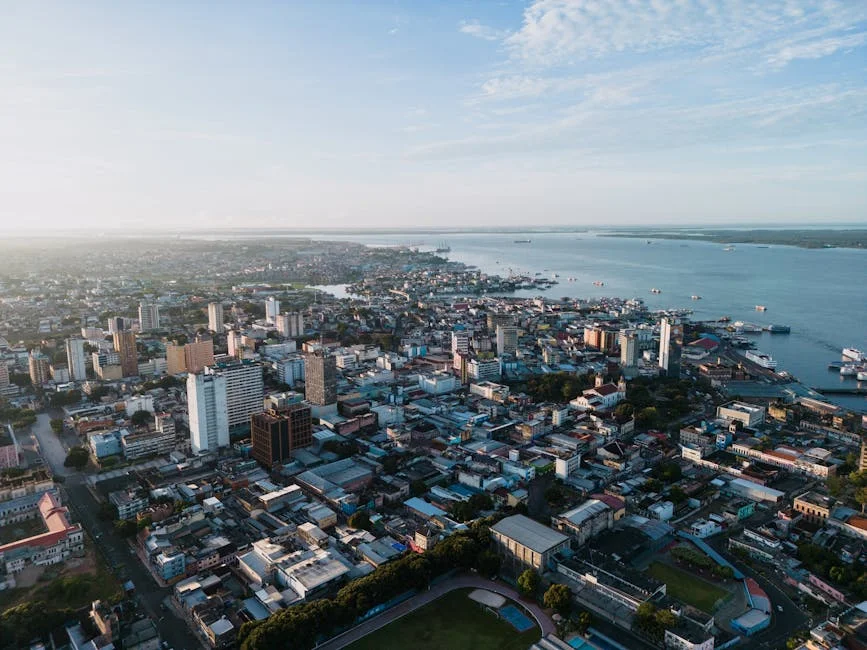
The city of Manaus, which is integral to Brazil's rubber and electronics industries, is expected to experience heavy rains. This may result in delayed shipments and increased costs for businesses reliant on timely deliveries. In contrast, regions like São Paulo may see lower temperatures that affect energy demands and consumer behavior.
Economic Implications and Market Reactions
Markets are reacting cautiously to the weather forecast, with investors closely monitoring sectors likely to be impacted, such as agriculture and energy. Companies involved in logistics and transportation may face increased operational costs, impacting their bottom lines and potentially leading to higher prices for goods and services.
Brazil's real estate market, particularly in flood-prone areas, may also see fluctuations as property values could be affected by the risk of severe weather. Businesses in these areas might need to invest in infrastructure to mitigate potential damages, adding further financial strain.
Investment and Business Strategies
Adjusting to Weather Extremes
Investors are advised to consider diversification strategies to hedge against the risks posed by the weather extremes. Companies may need to reevaluate their supply chains and logistics operations to maintain resilience in the face of such disruptions.
Businesses are exploring innovations in climate-resilient technologies and practices to safeguard their operations. The insurance sector is also expected to adapt by revising policy structures to accommodate the increased risks associated with extreme weather conditions.
Looking Ahead: Monitoring and Adaptation
As the week's weather unfolds, businesses and investors should remain vigilant, monitoring developments and adjusting strategies accordingly. The potential for prolonged adverse conditions could necessitate further economic adjustments, influencing market trends and business operations.
Stakeholders will need to keep a close eye on weather updates and government responses, particularly any measures taken to mitigate economic impacts. Adaptation and proactive planning will be crucial in navigating the challenges posed by Brazil's unpredictable climate.