Iranian forces launched drone strikes against Kuwait's main international airport on Tuesday, killing at least one person and injuring dozens more in a significant escalation of tensions across the Gulf region. The attack, which targeted infrastructure at Kuwait International Airport, sent shockwaves through regional markets and prompted immediate security responses from authorities.
Attack Targets Kuwait's Main Airport
The strikes represent one of the most serious incidents involving Iranian military assets targeting a Persian Gulf neighbor in recent years. Emergency services rushed to the scene as smoke rose from the airport's cargo handling area. Security forces sealed off surrounding roads as investigators began assessing the damage.
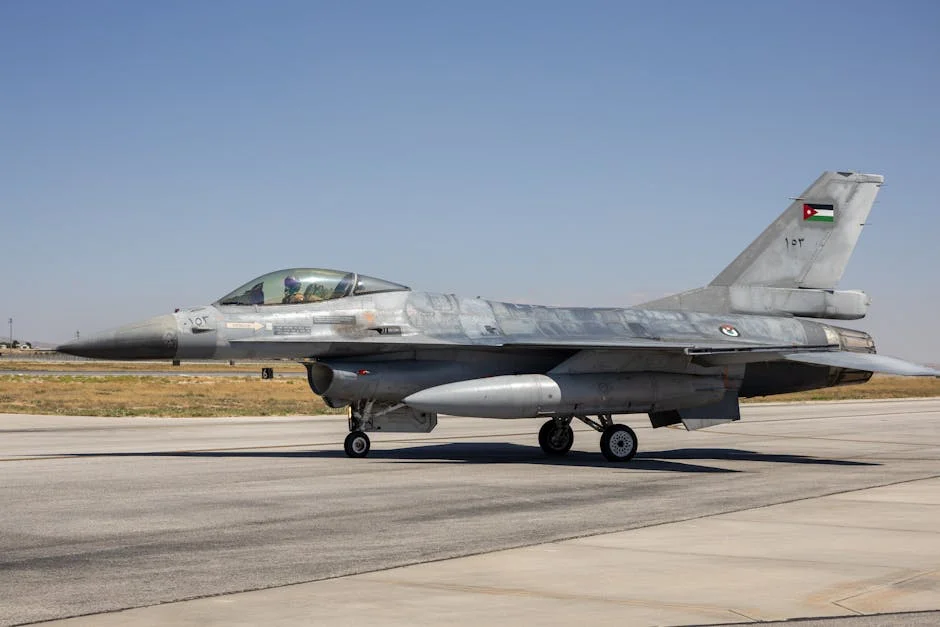
Kuwait's Ministry of Interior confirmed the casualty figures in a statement, noting that rescue operations were underway. The airport, located approximately 16 kilometers south of Kuwait City, handles both passenger flights and significant freight traffic, including oil-related cargo. Regional aviation authorities issued alerts to pilots rerouting flights away from Kuwaiti airspace.
Geopolitical Risk Jumps Across Gulf Markets
Financial markets reacted sharply to the news. Brent crude oil prices climbed more than 3 percent in early trading, reflecting investor concerns about potential disruptions to energy shipments through the Strait of Hormuz. Airlines with routes through the region faced immediate uncertainty, with several carriers announcing temporary suspensions of Kuwait-bound flights.
The attack comes amid already elevated tensions between Iran and Western-aligned Gulf states. Last month, Iranian naval forces seized a commercial vessel near the Strait of Hormuz, drawing protests from multiple governments. Analysts pointed to the strikes as evidence that Iran is willing to project military force beyond its borders despite international pressure.
Business Operations Disrupted
For businesses with operations in Kuwait, the attack created immediate logistical challenges. Several multinational companies with regional headquarters in the emirate began activating contingency plans. Supply chain managers reported difficulties as cargo flights were rerouted and border crossings tightened security protocols.
Insurance costs for Gulf region operations are expected to rise following the incident, according to underwriters at Lloyd's of London. Aviation insurers monitoring the situation noted that premiums for flights over Persian Gulf airspace had already been climbing in recent months due to regional instability.
US Response and International Condemnation
The United States Central Command issued a brief statement calling the strikes "destabilizing" and pledged to consult with Kuwaiti partners on next steps. American diplomatic personnel in Kuwait were placed on heightened alert, though the embassy reported no casualties among US citizens.
The United Nations Security Council held an emergency session to discuss the attack. Member states debated a draft resolution condemning the strikes, though negotiations were ongoing as of late Tuesday. Iran has not issued a public statement acknowledging responsibility for the attack.
Aviation Sector Reacts
Major international airlines, including Emirates, Qatar Airways, and Etihad Airways, announced adjustments to their flight schedules. Passengers booked on routes through Kuwait faced cancellations or significant delays. The International Air Transport Association warned that extended disruption could affect cargo capacity across Middle Eastern hubs.
Aviation insurance premiums are expected to climb following the strikes. Lloyd's underwriters noted that premiums for flights over Persian Gulf airspace had already been climbing in recent months due to regional instability.
Energy Markets on Edge
Oil traders monitored the situation closely given Kuwait's position as a major crude exporter. The Kuwait Petroleum Corporation reported that export operations continued normally for now, though company officials acknowledged monitoring the security environment. Any escalation affecting tanker routes through the Gulf could push prices higher still.
For investors with exposure to Gulf equities, the attack adds another layer of risk to an already complicated picture. The Kuwait Stock Exchange suspended trading briefly following the news before resuming with significant declines across banking and real estate stocks.
What Comes Next
Kuwaiti authorities are conducting a full investigation into the strikes while reinforcing security at other critical infrastructure sites, including oil terminals and power plants. The government has called for calm and promised regular updates as more information becomes available.
International observers are watching for Iran's next move. The attack may prompt fresh sanctions discussions in Western capitals and could affect ongoing negotiations over Iran's nuclear program. Business leaders operating in the region should monitor diplomatic developments closely and review contingency plans for supply chain disruptions.
See Also
- Bright Launches Lamppost Data Centres — Nvidia Stocks Surge
- Delhi Deploys AI Cameras to Combat Dust Pollution — What Businesses Face Next
The United Nations Security Council held an emergency session to discuss the attack. Aviation Sector Reacts Major international airlines, including Emirates, Qatar Airways, and Etihad Airways, announced adjustments to their flight schedules.