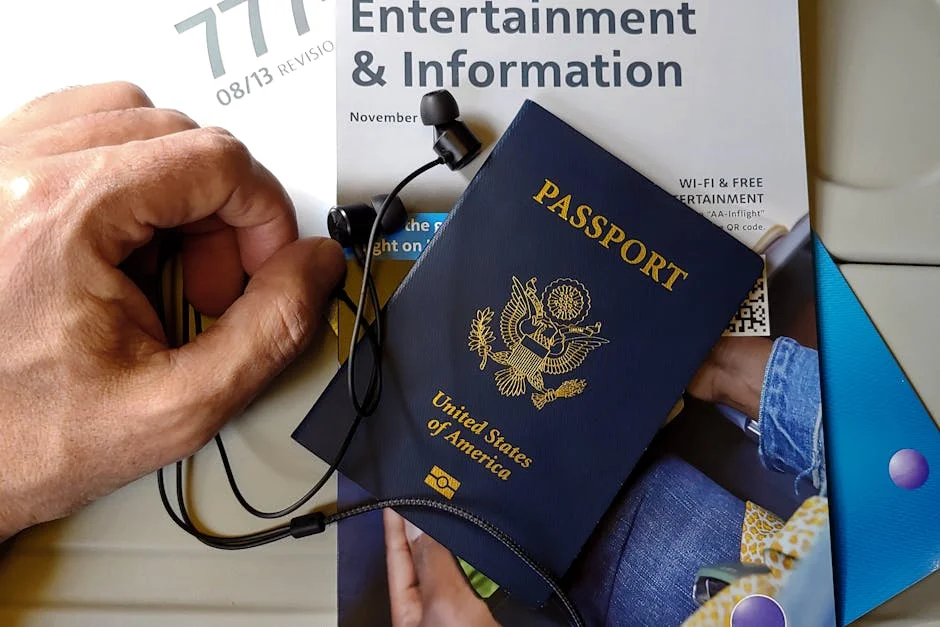
Former President Donald Trump will feature in a revamped series of U.S. passports commemorating the 250th anniversary of the country's independence. This move is set to occur in 2026, reflecting his administration's impact on national history. The decision by the U.S. Department of State has sparked discussions about its potential economic implications.
Historical Context and Economic Symbolism
The inclusion of Trump's image on passports is not just a symbolic gesture but could also influence international perceptions of the United States. In global markets, the branding of national documents often reflects underlying political and economic ideologies. The decision underscores the enduring influence of Trump's economic policies, such as tax reforms and deregulation, which were pivotal during his presidency.
The move to include Trump in this significant national commemorative item highlights how past administrations continue to shape economic narratives. For businesses, especially those operating internationally, this could affect branding efforts and market positioning, as passport imagery often carries connotations of national power and policy direction.
Investor Reactions and Market Implications
Investor reactions to political developments are typically swift, and this is no exception. The inclusion of Trump's image could bolster investor confidence among those who support his economic philosophies, potentially stabilizing investments in U.S.-based companies. However, for those critical of his policies, this may prompt a cautious approach to U.S. market exposure.
The State Department's decision also comes as a reminder of the polarizing nature of Trump's legacy. This duality might lead to fluctuating market sentiments, affecting sectors that were strongly influenced by his policies, such as energy and manufacturing.
Broader Consequences for Businesses and the Economy
For businesses, especially those in the travel and tourism sector, the branding of U.S. passports could influence international traveler perceptions. The passports serve as a tool for cultural diplomacy; thus, featuring Trump could reignite debates about U.S. political directions and their economic implications.
From an economic standpoint, the decision could have indirect effects on trade relations, especially with countries where Trump's policies initially caused friction. Businesses might need to recalibrate strategies to align with shifts in diplomatic and economic relations that arise from this symbolic inclusion.
Looking Ahead: What to Watch
As the 250th anniversary of the U.S. approaches, the rollout of these new passports is expected in 2026. Businesses and investors should monitor how international markets and diplomatic entities react to this branding choice. It will be crucial to observe any shifts in foreign investment patterns or changes in consumer sentiment that might arise from Trump's visual and ideological presence in official state documents.
Frequently Asked Questions
What is the latest news about trump features on new us passports impacts on markets and business?
Former President Donald Trump will feature in a revamped series of U.S.
Why does this matter for telecommunications?
This move is set to occur in 2026, reflecting his administration's impact on national history.
What are the key facts about trump features on new us passports impacts on markets and business?
In global markets, the branding of national documents often reflects underlying political and economic ideologies.