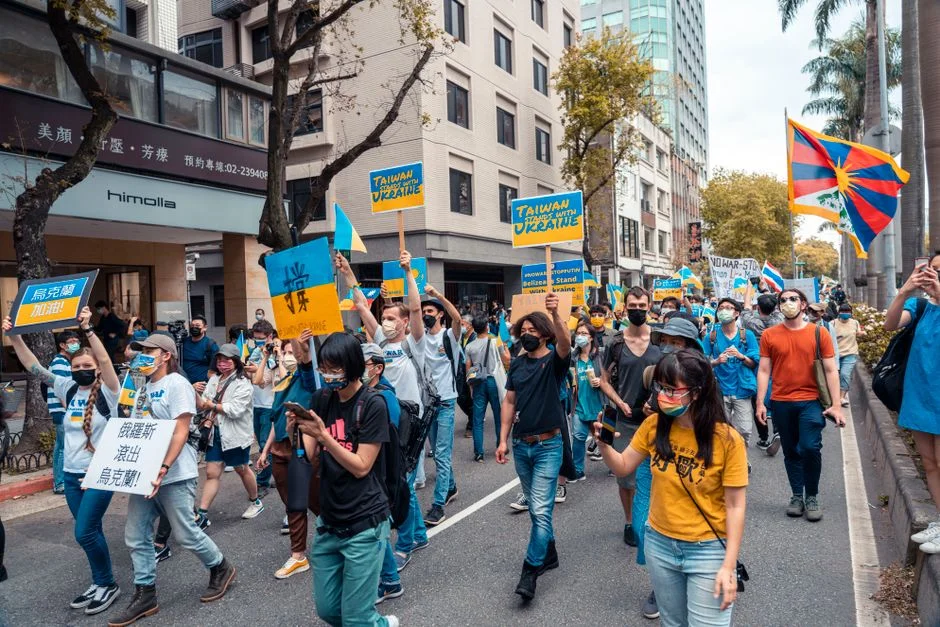
The alleged custodial death of Akash Delison, a Dalit man from Tamil Nadu, has ignited widespread protests across India, raising concerns about social stability and its potential economic impacts. Delison's death on September 15 has become a flashpoint for discussions on caste discrimination and police brutality, which could have broader consequences for India's socio-economic landscape.
Economic Repercussions of Social Unrest
The incident has prompted protests in key economic hubs, including Chennai and Mumbai. Demonstrations disrupt business operations and transport logistics, causing delays and financial losses. In Chennai, a major protest blocked roads leading to the city's central business district, affecting deliveries and employee commutes.
For investors, such unrest underscores the risks associated with socio-political instability. The Indian stock market experienced minor volatility in response, with the BSE Sensex dipping by 0.5% the day after protests intensified. Although the market has since stabilized, ongoing unrest could lead to further fluctuations, potentially deterring foreign investment.
Impact on Businesses and Investor Confidence
Local Businesses Face Challenges
Local businesses, particularly those in the retail and service sectors, are directly impacted by the protests. Shops in affected areas have reported a 20% drop in foot traffic since the protests began. This decrease in consumer activity could have a ripple effect on quarterly earnings reports for these businesses.
Investor Uncertainty
The ongoing situation has led to increased scrutiny from international investors. Concerns about governance and human rights can influence investment decisions, particularly in emerging markets like India. Analysts are monitoring how the Indian government addresses these issues, as their response could either reassure or further unsettle investors.
Policy Implications and Government Response
The Indian government faces pressure to address systemic issues of police misconduct and caste discrimination. Potential policy reforms or investigations could result in increased governmental spending, impacting the national budget and potentially diverting funds from other critical areas like infrastructure development.
Prime Minister Narendra Modi has been urged to take decisive action to restore public confidence and prevent economic repercussions. Any announcement of reforms or policy changes will be closely watched by both domestic and international stakeholders.
What to Watch: Future Developments and Economic Stability
The coming weeks will be crucial in determining the socio-economic trajectory of India following Akash Delison’s death. Investors should monitor government statements and policy reforms for cues on the country's stability. Additionally, any further escalation in protests could lead to increased market volatility, affecting both local businesses and foreign investment strategies.
Stakeholders should also watch for any upcoming government inquiries or judicial reviews related to the case, as these could signal broader institutional changes with long-term economic implications.
See Also
- Mia Williams Sparks Controversy as Mississippi State Fires Up Texas Tech
- Mbali Shinga Reinstated by NFP — What It Means for Business in Natal
Concerns about governance and human rights can influence investment decisions, particularly in emerging markets like India. Potential policy reforms or investigations could result in increased governmental spending, impacting the national budget and potentially diverting funds from other critical areas like infrastructure development.Prime Minister Narendra Modi has been urged to take decisive action to restore public confidence and prevent economic repercussions.
What is the latest news about indias dalit death sparks tension economic implications unfold?
Why does this matter for politics-world?
What are the key facts about indias dalit death sparks tension economic implications unfold?