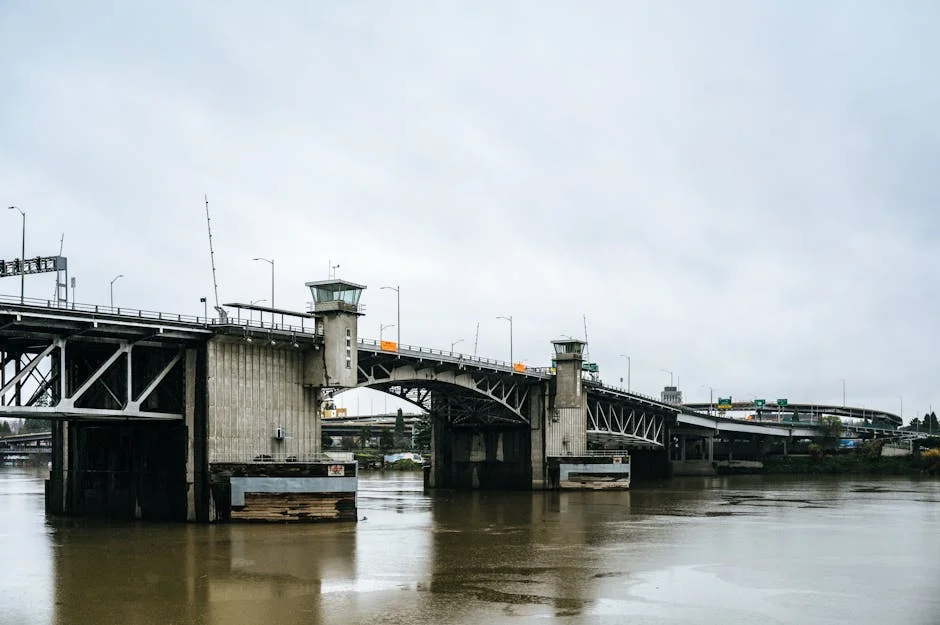
The Salt River Bridge, a critical link on Voortrekker Road in Pretoria, South Africa, remains a persistent traffic bottleneck more than a decade after its initial construction was announced. Despite repeated promises of completion, the bridge’s ongoing delays have worsened congestion, increased travel times, and disrupted local commerce. The South African Department of Transport confirmed in a recent report that the project is still in the final stages of planning, with no firm completion date set.
Why Voortrekker Road Matters
Voortrekker Road is one of the busiest corridors in Pretoria, connecting major commercial hubs, residential areas, and industrial zones. The bridge, which spans the N1 highway, was initially designed to ease congestion and improve regional connectivity. However, its delays have forced vehicles to take longer routes, increasing fuel costs and carbon emissions. According to the City of Tshwane, traffic delays on Voortrekker Road have cost businesses an estimated R1.2 billion annually in lost productivity.
The bridge’s slow progress has also raised concerns among investors and local business owners. “Every day the bridge is delayed, our costs go up,” said Sipho Mokoena, a logistics manager at a Pretoria-based distribution company. “We’re forced to reroute deliveries, which increases fuel and time expenses.” The South African Transport and Logistics Association has warned that the delays could deter future infrastructure investment in the region.
Impact on Local Businesses and the Economy
The ongoing traffic issues on Voortrekker Road have had a direct impact on small and medium-sized enterprises (SMEs) in the area. Many businesses rely on efficient transport networks to move goods and services, and the congestion has disrupted supply chains. A recent survey by the Tshwane Chamber of Commerce found that 68% of local businesses reported increased operating costs due to traffic delays, with 42% considering relocation.
Investors are also taking note. The South African Investment Promotion Agency (SAIPA) has flagged the bridge’s delays as a risk factor for infrastructure projects in the region. “If critical infrastructure is not delivered on time, it undermines confidence in the country’s ability to support economic growth,” said SAIPA spokesperson Thandiwe Mbeki. “This could affect both local and foreign investment in the long term.”
The economic implications extend beyond Pretoria. The N1 highway, which the bridge crosses, is a key route for freight moving between Johannesburg and Durban. Delays on Voortrekker Road have caused ripple effects across the national supply chain, increasing transportation costs for goods moving through the country.
After Developments and Government Response
The South African government has faced mounting pressure to accelerate the bridge’s completion. In a recent statement, Transport Minister Fikile Mbalula pledged to fast-track the project, saying, “We are aware of the impact this has on the economy and the people of Pretoria. We are working closely with contractors to ensure the bridge is completed as soon as possible.”
However, the project has faced several setbacks, including budget overruns and disputes with contractors. The initial budget of R1.5 billion has already been exceeded, with officials estimating that an additional R400 million will be needed to complete the work. “This is a complex project, and we are working to resolve the issues as quickly as possible,” said a spokesperson for the Department of Transport.
The delays have also sparked public frustration. Residents of the area have staged several protests, demanding better communication from the government. “We’ve been waiting for over a decade, and still no progress,” said local activist Thandiwe Nkosi. “This is not just a bridge—it’s a symbol of broken promises.”
What to Watch Next
For now, the traffic on Voortrekker Road remains a daily challenge for commuters and businesses alike. With no clear end in sight, the delays continue to test the patience of those who rely on the road for their livelihoods.
See Also
- Cath Ellis Used AI to Write Anti-AI Piece — Then Defended It
- Arbeloa's Mbappé Post Triggers Real Madrid Market Surge
What is the latest news about salt river bridge crisis continues after decade of delays?
Why does this matter for artificial-intelligence?
What are the key facts about salt river bridge crisis continues after decade of delays?