OpenAI has identified Shivon Zilis as a key insider leaking strategic details to Elon Musk, intensifying the corporate warfare between two of Silicon Valley’s most powerful figures. This revelation comes as investors scrutinize how internal discord at the world’s most valuable private AI company could impact valuation and market dominance. The identification of a specific confidante shifts the narrative from vague corporate espionage to a targeted strategic play by Tesla’s CEO.
The Strategic Value of Inside Information
The designation of Zilis as an "inside source" provides Musk with real-time data on OpenAI’s product roadmaps and financial health. For investors, this means the competitive moat around OpenAI’s flagship model, GPT-4, may be narrower than previously assumed. Market analysts suggest that if Musk can anticipate OpenAI’s moves, Tesla’s AI division can adjust its pricing and feature sets more aggressively. This dynamic creates a direct economic pressure on OpenAI’s revenue projections for the upcoming fiscal year.
Zilis, a veteran of the tech industry, holds a unique position that bridges technical development and executive strategy. Her insights allow Musk to correlate OpenAI’s software updates with hardware demands for the upcoming "Optimus" robot. This correlation is critical for Tesla’s valuation, which currently relies heavily on the narrative that AI will drive the next wave of automotive profits. The leak effectively reduces the information asymmetry that has historically favored the incumbent leader in the generative AI space.
Market Volatility and Investor Sentiment
Stock markets are sensitive to uncertainty, and the OpenAI-Musk feud introduces a new variable for institutional investors. The recent surge in interest rates has already pressured growth stocks, making any disruption to OpenAI’s cash flow potential a significant concern. Traders are watching for signs that the leak will force OpenAI to accelerate its IPO timeline to lock in valuation before the secret gets out. This potential acceleration could flood the market with shares, affecting broader tech sector liquidity.
The economic implications extend beyond share prices to the cost of capital for AI startups. If investors perceive that even the leader, OpenAI, is vulnerable to internal leaks, they may demand higher risk premiums for funding. This could slow down the pace of innovation in secondary AI markets, as venture capitalists become more cautious. The ripple effect could be felt in San Francisco and Boston, where a significant portion of AI venture capital is concentrated.
Financial Exposure and Valuation Risks
OpenAI’s recent valuation of approximately $150 billion hinges on the expectation of near-monopoly status in the near term. Any erosion of this status due to Musk’s strategic counter-moves could trigger a re-rating of the company’s worth. Financial models used by Wall Street firms are beginning to incorporate a "leakage risk" factor, which could reduce projected earnings per share by up to 10% in the next two years. This adjustment, while seemingly small, represents billions of dollars in market capitalization.
Investors are also concerned about the potential for a bidding war for talent. If Zilis’s role becomes too burdensome or politically charged, she and other key engineers might leave for Tesla or Google. The cost of retaining top AI talent is already high, with annual compensation packages exceeding $1 million for senior data scientists. A brain drain from OpenAI would increase operational costs and potentially delay product launches, further impacting the bottom line.
Tesla’s Competitive Advantage
For Tesla, the acquisition of inside information is a cost-effective way to compete with a company that is currently three times its size in market cap. Musk can use Zilis’s insights to optimize Tesla’s "Full Self-Driving" software, potentially allowing them to undercut OpenAI’s API pricing. This strategy could force OpenAI to lower prices, thereby compressing its profit margins. The economic benefit to Tesla shareholders could be substantial if the AI division becomes profitable sooner than expected.
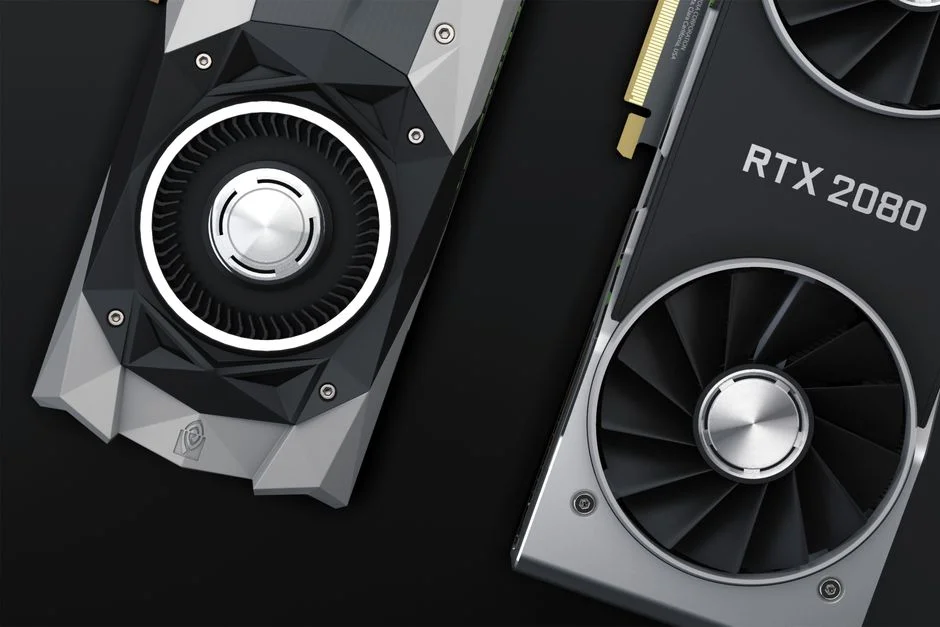
The strategic move also strengthens Tesla’s negotiating position with cloud computing providers. With better knowledge of OpenAI’s compute needs, Musk can anticipate demand for GPUs and secure better deals with Nvidia and Amazon Web Services. This supply chain advantage is crucial for maintaining low production costs for both cars and robots. The interplay between software insights and hardware procurement creates a compound economic benefit for the Tesla ecosystem.
Regulatory Scrutiny and Legal Precedents
The identification of Zilis may trigger antitrust regulators to look more closely at the relationship between Tesla and OpenAI. If Musk is found to have used non-disclosure agreements to gain an unfair advantage, it could set a new legal precedent for intellectual property in the AI sector. The Federal Trade Commission is already monitoring the AI market for signs of consolidation, and this leak provides fresh ammunition for regulators. Legal costs for both companies are likely to rise as they prepare for potential litigation in Washington D.C.
From a business perspective, the legal uncertainty could deter corporate partnerships. Companies hesitant to integrate OpenAI’s technology might wait to see if the legal dust settles. This hesitation could slow down the adoption of AI in industries such as healthcare and finance, which are critical growth drivers for the sector. The economic impact of delayed adoption could be measured in billions of dollars in lost productivity gains over the next five years.
The Role of Leadership in Economic Outcomes
The personal dynamics between Musk and OpenAI’s leadership team have a direct correlation with market stability. Musk’s history of unpredictable communication styles adds a layer of risk to the investment thesis. Investors are accustomed to "Musk volatility," but this time the volatility is centered on a company that is not yet publicly traded. This lack of transparency makes it harder for institutional investors to hedge their positions effectively.
Conversely, the revelation highlights the importance of internal governance in high-growth tech firms. OpenAI’s board may need to implement stricter information controls to prevent further leaks. The cost of implementing these controls, including legal fees and technological upgrades, will come out of the company’s operating budget. This is a direct financial consequence of the interpersonal conflict at the executive level.
Implications for the Broader AI Economy
The OpenAI-Tesla dynamic serves as a case study for the entire AI industry. Other companies, such as Google and Microsoft, are watching closely to see how information leakage affects competitive positioning. This could lead to a more fragmented AI market, where multiple players offer similar services at varying price points. For consumers, this competition could result in lower prices and better features, but for investors, it could mean lower profit margins across the board.
The economic shift towards AI is already reshaping labor markets, and this corporate feud could accelerate that change. If Tesla can deploy AI faster due to inside knowledge, it may automate jobs in the automotive sector more quickly than anticipated. This would have broader socioeconomic implications, affecting wage growth and employment rates in key manufacturing hubs. The ripple effects of this corporate strategy extend far beyond the balance sheets of the two companies involved.
What to Watch Next
Investors should monitor the upcoming quarterly earnings calls for Tesla and any public statements from OpenAI’s board. The timing of OpenAI’s potential IPO will be a critical indicator of how seriously the company takes the leak. Additionally, watch for any new patents filed by Tesla that closely mirror OpenAI’s recent software updates. These filings will provide concrete evidence of how effectively Musk is utilizing the inside information. The next major catalyst will likely be the announcement of a new AI model from either company, which will test the market’s reaction to the ongoing rivalry.
See Also
- UK Banks Blocked from Mythos AI — OpenAI Makes Counteroffer
- Quantum Computing Threatens US Markets — Y2K Crisis Looms