Scientists in Victoria have uncovered evidence of giant echidnas weighing up to 15kg that roamed the region during the Pleistocene epoch. The discovery, made in a fossil-rich area near the town of Warrnambool, has sparked renewed interest in the region's prehistoric past. Researchers from the University of Melbourne led the study, which revealed previously unknown details about the ancient ecosystem.
Uncovering a Lost World
The fossils, found in sediment layers dating back 30,000 years, suggest that the giant echidnas were a key part of the local fauna. These creatures, which are now extinct, were significantly larger than their modern counterparts. The findings challenge previous assumptions about the biodiversity of the region during the last ice age.
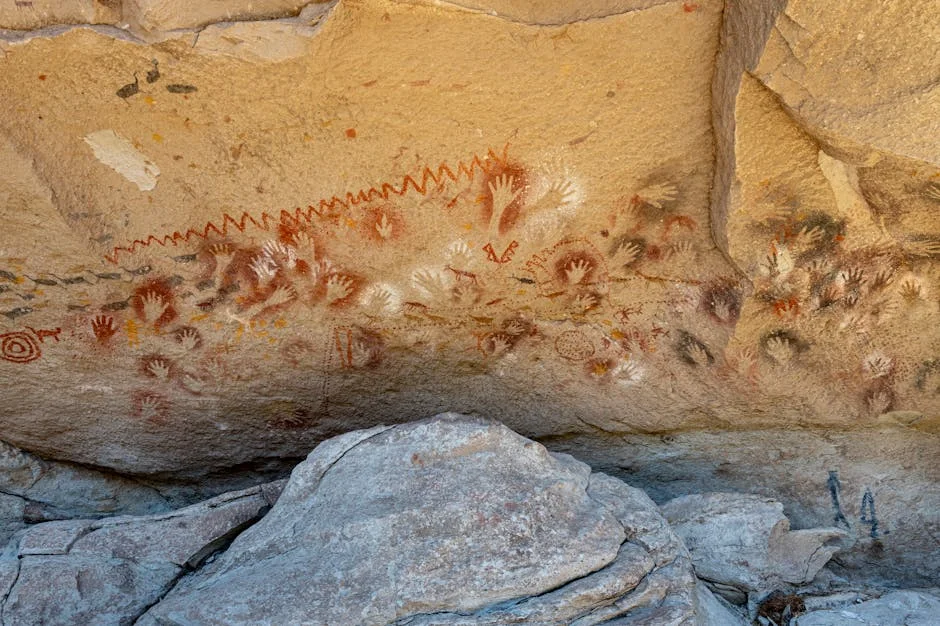
Dr. Emily Carter, a paleontologist at the University of Melbourne, said the discovery highlights the importance of Victoria as a site for paleontological research. “This is one of the most significant finds in recent years,” she said. “It shows how much we still have to learn about Australia’s ancient ecosystems.”
Implications for Scientific Research
The discovery has prompted calls for increased funding for paleontological studies in Victoria. The state government has already announced plans to allocate additional resources to support further excavations. This could lead to more breakthroughs in understanding the region’s natural history.
For the scientific community, the find represents a rare opportunity to study an extinct species in detail. It also raises questions about how climate change and environmental shifts impacted prehistoric wildlife. Researchers are now analyzing the fossilized remains to determine how these echidnas adapted to their environment.
Impact on Local Tourism and Economy
The discovery has already begun to attract attention from international researchers and fossil enthusiasts. Local tourism operators in Warrnambool are exploring ways to capitalize on the find by developing educational tours and exhibits. This could bring a boost to the local economy, particularly in the cultural and educational sectors.
“This is a once-in-a-lifetime opportunity,” said Mark Thompson, a tourism official in Warrnambool. “We’re looking at ways to showcase this discovery and attract more visitors to the area.”
Future Excavations and Public Engagement
The University of Melbourne has announced plans for a series of public lectures and guided tours to share the findings with a wider audience. These initiatives aim to engage both local residents and international visitors, fostering a deeper appreciation for Victoria’s natural heritage.
Additionally, the research team is working with local schools to develop educational materials that can be used in science curricula. This effort could inspire a new generation of scientists and paleontologists.
Looking Ahead
Further excavations are planned for the coming months, with the goal of uncovering more fossils and expanding the existing dataset. Researchers are also collaborating with international institutions to conduct comparative studies on similar species found in other parts of Australia and the world.
For investors and businesses, the growing interest in paleontology and natural history presents new opportunities. Companies involved in educational tourism, museum exhibits, and scientific equipment may see increased demand as the field continues to expand.
See Also
- Meta Repeatedly Snubs EU Body — User Bans Threaten Facebook's Revenue Streams
- USS Abraham Lincoln Receives Supplies After Food Shortages in ZA
Impact on Local Tourism and Economy The discovery has already begun to attract attention from international researchers and fossil enthusiasts. Local tourism operators in Warrnambool are exploring ways to capitalize on the find by developing educational tours and exhibits.