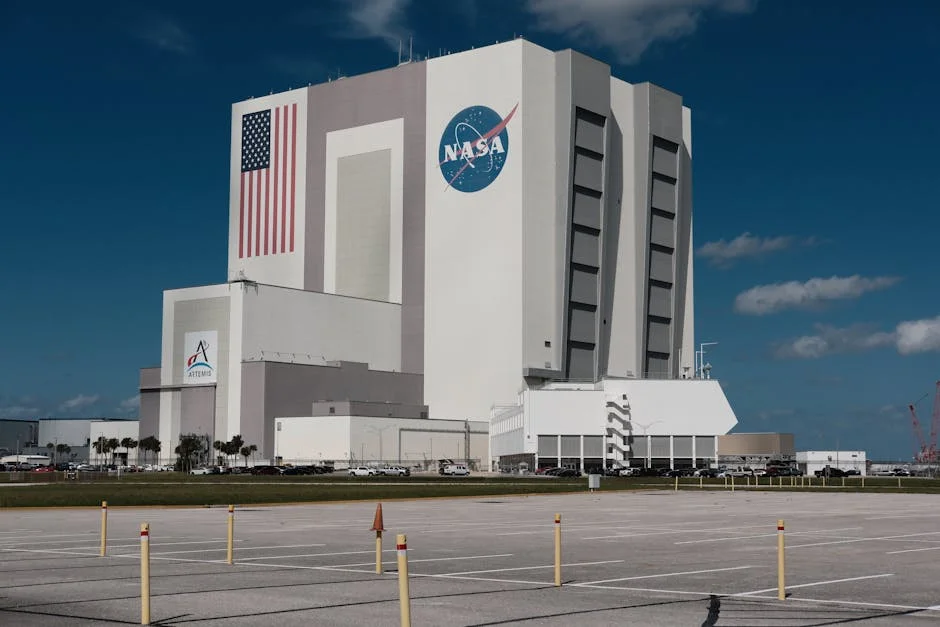
SpaceX has officially postponed the latest Starship launch, a strategic move that coincides with Elon Musk’s preparation for a massive share sale to fund his private aerospace giant. The delay, announced from the Starbase facility in Texas, sends immediate ripples through the commercial space sector and broader equity markets. Investors are now scrutinizing how this timing affects valuations and capital flows in the tech-heavy economy.
Strategic Timing of the Launch Delay
The decision to hold back the super-heavy lift vehicle is not merely technical. It is a financial maneuver designed to maximize shareholder value during a critical window. Musk has indicated that the share sale is essential to keep SpaceX private, avoiding the immediate pressures of public markets. This move protects the company’s agility but introduces new complexities for early investors and partners.

Market watchers in New York are closely monitoring this development. The postponement creates a narrative of controlled risk management. By delaying the launch, SpaceX avoids the potential volatility of a technical glitch occurring simultaneously with a major financial announcement. This synchronization suggests a high level of coordination between engineering and finance teams at the Houston and Texas headquarters.
Impact on Commercial Space Markets
The commercial space industry is highly sensitive to SpaceX’s momentum. A delay in Starship’s progress can shift capital toward competitors like Blue Origin and Rocket Lab. These companies stand to gain investor attention if SpaceX appears to stall. The ripple effect extends to satellite operators and logistics firms relying on Starship’s promised lower launch costs.
Investors are reassessing their exposure to the sector. The uncertainty surrounding the launch schedule affects supply chains and contract negotiations. Companies that have tied their expansion plans to Starship’s timeline may need to adjust their fiscal forecasts. This creates a short-term drag on spending in the aerospace supply chain, particularly in Texas and Florida.
Financial Implications for Investors
The mega share sale represents a significant liquidity event for early backers. Employees and initial investors will see their paper wealth convert into cash, potentially influencing their broader investment portfolios. This influx of capital into the wider economy could boost consumer spending and equity markets. However, the sheer size of the sale could also exert selling pressure on related tech stocks.
Wall Street analysts are evaluating the potential for contagion in the tech sector. If SpaceX’s valuation remains robust despite the delay, it reinforces the market’s confidence in Musk’s leadership. Conversely, any perceived weakness could trigger a broader re-rating of growth stocks. The outcome will depend heavily on the final pricing of the shares and the volume sold.
Valuation Dynamics and Market Sentiment
The valuation of SpaceX is a key metric for the entire tech industry. A high valuation during the share sale would signal strong demand for private equity. This would encourage other tech giants to consider going public or issuing new shares. Conversely, a lower valuation might suggest a cooling market for high-growth assets. Investors are watching this closely as a barometer for economic health.
Market sentiment is fragile. Any negative news regarding Starship could be amplified by the financial context. The interplay between engineering success and financial timing is critical. A successful launch after the sale would validate the strategy. A delay or failure could undermine the narrative of inevitability that has driven SpaceX’s valuation.
Broader Economic Consequences
The decisions made by Musk and SpaceX have far-reaching economic implications. The space sector is becoming a major driver of innovation and employment. A strong SpaceX contributes to job creation in engineering, manufacturing, and services. These jobs are often high-paying and located in key economic regions like Texas and California.
The potential for Starship to reduce launch costs could revolutionize global logistics. Cheaper access to orbit means more satellites, better internet coverage, and enhanced Earth observation. These improvements have tangible economic benefits for agriculture, finance, and telecommunications. The delay, therefore, has indirect costs for the global economy.
Business Strategy and Competitive Landscape
SpaceX’s strategy relies on rapid iteration and cost reduction. The Starship project is the cornerstone of this approach. By keeping the company private, Musk retains control over this long-term vision. However, competitors are not standing still. Blue Origin is accelerating its New Glenn rocket development, while Rocket Lab is expanding its medium-lift capabilities.
This competitive pressure forces SpaceX to maintain a high pace of innovation. The delay might provide a breathing room, but it also gives rivals a chance to capture market share. Contract negotiations with NASA and commercial clients are ongoing. The outcome of these talks will be influenced by Starship’s perceived reliability and timeline.
Investor Perspective on Risk and Reward
For investors, the SpaceX share sale offers a unique opportunity. It allows participation in one of the most valuable private companies in the world. However, it also comes with risks. The private market is less liquid than the public stock market. Exit strategies for investors depend on future IPO plans or secondary sales.
The timing of the sale is crucial. Selling too early might leave money on the table. Selling too late might expose investors to technical or market risks. Musk’s decision to delay the launch suggests a preference for controlled risk. This approach may appeal to conservative investors but could frustrate those seeking rapid returns.
What to Watch Next
The coming weeks will be critical for SpaceX and the broader market. Investors should monitor the final details of the share sale, including the price per share and the total volume. Any changes to the launch schedule for Starship will also be closely watched. The interplay between these two events will define the short-term narrative for the company.
Market participants should also keep an eye on competitor announcements. Blue Origin and Rocket Lab may use this window to highlight their own progress. Regulatory developments from NASA and the Federal Aviation Administration will also play a role. The next major catalyst will be the official pricing of the SpaceX shares and the subsequent launch window for Starship.
See Also
- De'Aaron Fox Sparks Controversy After Out of Bounds No-Call in Game 7
- IPL 2026 Rain Deluge Triggers $100M Broadcast and Betting Market Shock
The interplay between engineering success and financial timing is critical. The space sector is becoming a major driver of innovation and employment.
What is the latest news about spacex delays starship as musk prepares market for mega share sale?
Why does this matter for startups?
What are the key facts about spacex delays starship as musk prepares market for mega share sale?