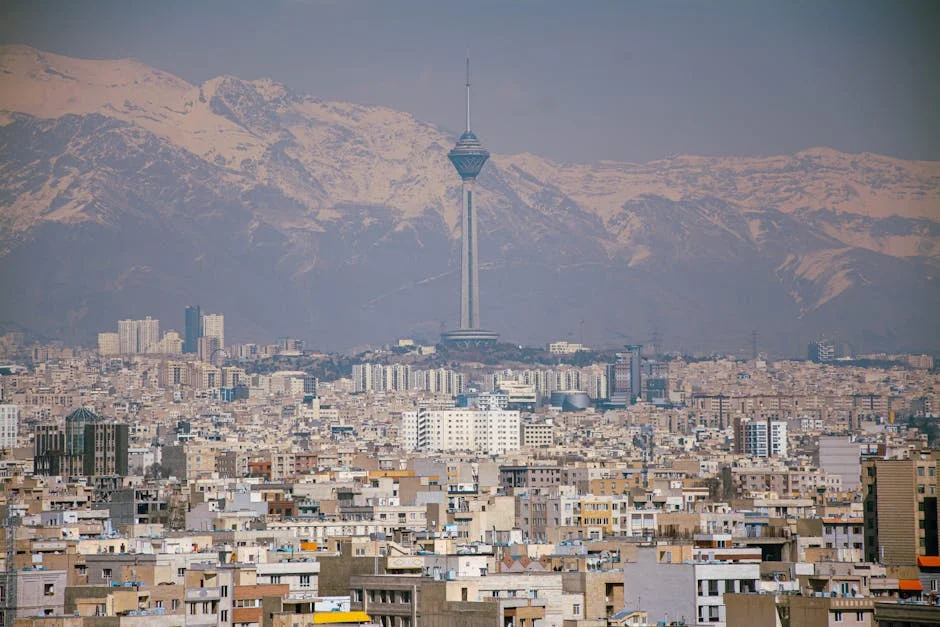
President Donald Trump has called on China and the United Kingdom to join the United States in sending naval ships to protect the vital Strait of Hormuz, a move that could have significant implications for global trade and international relations.
Strategic Importance of the Strait of Hormuz
The Strait of Hormuz, located at the mouth of the Persian Gulf, is a crucial maritime chokepoint through which approximately 20% of the world’s oil supply passes every day. This makes it an essential artery for global energy markets and a strategic concern for many nations.
Recently, tensions in the region have escalated as Iran has seized several oil tankers and conducted military exercises near the strait, prompting calls from the US for increased security measures.
US Push for International Support
In a tweet, President Trump expressed his desire for China and the UK to contribute to the naval mission protecting the Strait of Hormuz. The US is seeking broader international support to demonstrate unity and strength in the face of regional challenges.
China, as a major global economic power and a significant consumer of Middle Eastern oil, stands to benefit from stable and secure shipping lanes. The UK, with its strong historical ties to the region and naval capabilities, is also seen as a valuable ally in this endeavor.
Economic and Market Reactions
The call for international support from the US has sparked interest among investors and economists, who are watching closely to see how this will impact global trade and the stability of energy markets. A successful effort to secure the strait could bolster confidence in the global economy, while any disruptions could lead to volatility in stock and commodity markets.
Analysts predict that if more countries join the naval mission, it could ease concerns about potential supply chain disruptions and help stabilize oil prices, benefiting both consumers and producers alike.
Business Implications for China and the UK
For China, participation in the naval mission would align with its broader strategy of enhancing its influence in the Middle East and securing its energy interests. It could also provide opportunities for Chinese companies to engage in infrastructure projects and trade agreements in the region.
The UK, as it navigates post-Brexit trade deals, sees joining the naval mission as a chance to showcase its global reach and maintain strong ties with the US. Additionally, it could strengthen the UK's position in securing favorable terms for future trade agreements with Middle Eastern countries.
Next Steps and Watch Points
The response from China and the UK to President Trump's invitation will be closely watched by markets and policymakers. Any further developments, such as additional countries joining the mission or changes in regional dynamics, could significantly affect global trade flows and economic outlooks.
Investors will be paying particular attention to how these geopolitical moves translate into tangible benefits or risks for multinational corporations operating in the Middle East and beyond.