The FCC Chair has taken a bold step by threatening to revoke licenses from broadcasters who do not comply with new rules regarding coverage of the war involving Iran. This move could have significant ramifications for both media companies and the broader economy.
FCC Chair's Decision to Revise License Requirements
The decision by FCC Chair to threaten license revocation is seen as a direct challenge to the traditional role of media outlets in reporting on international affairs. The move comes at a time of heightened tension between the United States and Iran, following actions taken by President Trump that have strained diplomatic relations.
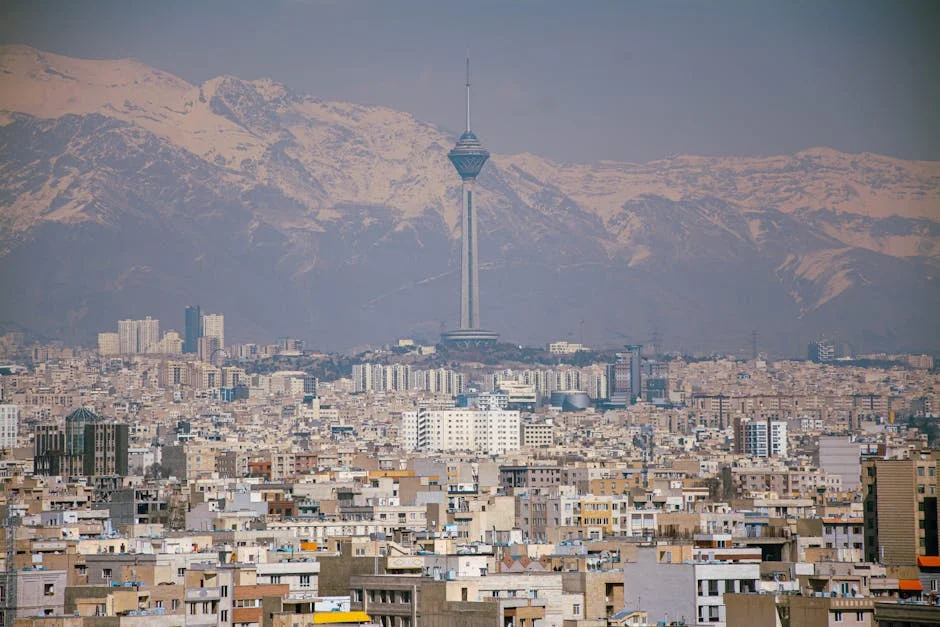
Under the proposed changes, broadcasters will be required to provide more detailed and comprehensive coverage of the ongoing conflict in Iran, as well as to adhere to certain standards set by the government. This includes prioritising official statements and updates from the White House over alternative sources.
Economic Impact on Media Companies
The threat to revoke licenses poses a significant risk to media companies, particularly those with large investments in broadcasting infrastructure. The potential loss of a license could mean millions of dollars in lost revenue, as well as a blow to the company’s reputation and brand value.
Furthermore, the requirement for more extensive coverage may necessitate additional staffing and resources, which could increase operational costs for broadcasters. These factors could put pressure on the stock prices of media companies and impact the broader market.
Investor Perspective and Market Reactions
Investors in the media sector are closely watching the situation, as any changes to licensing requirements can have a significant impact on profitability. The possibility of license revocation adds an element of uncertainty to the market, potentially leading to fluctuations in stock prices.
Analysts suggest that if the new rules are implemented, media companies may need to adjust their strategies to remain competitive and maintain audience engagement. This could lead to increased innovation and investment in technology and content creation, benefiting the wider economy.
Broader Economic Implications
The impact of the FCC's decision extends beyond just the media industry. A robust and diverse media landscape is crucial for informing the public and supporting democratic processes, which in turn can influence consumer confidence and economic growth.
In addition, the broadcasting sector contributes significantly to employment and GDP. Any disruption to this sector could have ripple effects across other parts of the economy, such as advertising and technology sectors, which rely heavily on media companies for business.
Looking Ahead
The FCC's decision to threaten license revocation based on coverage of the Iran conflict represents a notable shift in the regulatory environment for media companies. As the situation unfolds, it will be important to monitor how these changes affect the media landscape, investor sentiment, and the overall health of the economy.
Media companies will need to adapt to the new requirements and navigate the challenges posed by the changing regulatory climate. The success of these adjustments could determine not only the future of individual companies but also the broader trajectory of the media and entertainment industries.
Frequently Asked Questions
What is the latest news about fcc chair threatens to revoke licenses over iran war coverage market impact explained?
The FCC Chair has taken a bold step by threatening to revoke licenses from broadcasters who do not comply with new rules regarding coverage of the war involving Iran.
Why does this matter for politics-world?
FCC Chair's Decision to Revise License Requirements The decision by FCC Chair to threaten license revocation is seen as a direct challenge to the traditional role of media outlets in reporting on international affairs.
What are the key facts about fcc chair threatens to revoke licenses over iran war coverage market impact explained?
Under the proposed changes, broadcasters will be required to provide more detailed and comprehensive coverage of the ongoing conflict in Iran, as well as to adhere to certain standards set by the government.