In a competitive technology landscape, some users are choosing to stick with wired Android Auto instead of its wireless counterpart. This decision is driven by the need to cut costs without sacrificing functionality. As more consumers prioritize financial stability, the trend of reverting to wired connections is gaining traction.
The Rise of Wired Connections
Despite the allure of wireless technology, there is a growing subset of Android Auto users who prefer the wired version. This shift is largely attributable to the economic pressures that many people face today. Wireless technology, while convenient, often comes at a premium, both in terms of initial purchase price and ongoing maintenance costs.
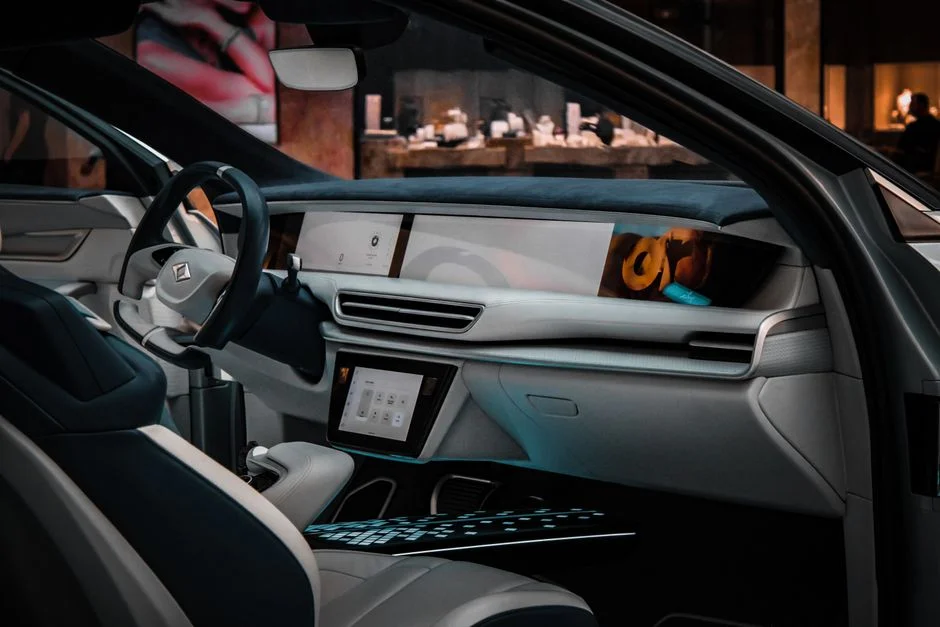
Wired Android Auto provides a reliable connection that doesn't require a constant update of technology or software. Users who have chosen wired over wireless often cite its dependability and lower cost as significant factors. Many vehicles come equipped with the necessary ports for wired connections, making this option more accessible without additional upgrades.
Understanding Android Auto's Evolution
Android Auto was first introduced by Google to provide drivers with a seamless interface to access apps such as navigation, music, and messaging while on the road. Initially developed as a wired system, it has since evolved to include wireless capabilities. The wireless version allows users to connect their smartphones to their car's infotainment system without cables, offering convenience at a higher cost.
However, wireless technology's introduction has not been without its challenges. Users have reported connectivity issues and increased battery drain during its use. These drawbacks have catalyzed the return to wired connections for those who prioritize functionality and cost over convenience.
Economic Impacts
The trend towards more economical tech solutions like wired Android Auto reflects broader economic realities. Persistent inflation rates and rising living costs mean that consumers are increasingly mindful of their spending. The tech industry is seeing a shift, with users opting for more cost-effective solutions.
From a business perspective, automakers and technology companies must adapt to changing consumer preferences. Those who can offer affordable alternatives are likely to capture a more budget-conscious segment of the market. This shift could have implications for how technology products are developed and marketed moving forward.
Key Players and Their Roles
Several key players are affected by this market development. Vehicle manufacturers, infotainment system developers, and smartphone companies are all part of the equation. Automakers must decide whether to integrate wireless systems as standard or offer them as an upgrade, considering the demographic they serve.
On the technology front, companies like Google, which oversees Android Auto, must navigate the balance between innovation and affordability. Offering a range of products that meet different consumer needs will be critical. If priced appropriately, wired options could serve as a steady revenue stream even as the market advances technologically.
Market Reactions and Stakeholder Perspectives
Industry reactions to the resurgence of wired preferences have been varied. Some stakeholders argue that this trend is temporary and that technological innovation will eventually make wireless solutions universally affordable. On the other hand, consumer advocacy groups highlight the importance of cost-effective technology in ensuring accessibility for all users.
Investors are particularly interested in how these trends will affect tech companies' bottom lines. As companies recalibrate their product lines, there may be shifts in market shares among those who are quicker to adapt to changing consumer demands. The emphasis on affordable technology could steer future investment strategies.
Implications for the Wider Technology Sector
The resurgence of wired technology use is indicative of a larger trend towards simplicity and cost-efficiency in tech consumption. It reflects a shift away from the 'latest is best' mentality as consumers become more discerning with their purchases. This could influence how new technologies are introduced and marketed across the sector.
Moreover, this movement could lead to a reevaluation of how tech companies allocate resources. More focus might be placed on improving existing technologies and making them cost-efficient rather than solely developing cutting-edge, and often expensive, solutions.
What to Expect Next
Looking ahead, consumers and businesses alike should expect further developments in the Android Auto landscape. Automakers may continue to offer wired systems as a baseline option, with wireless as an upgrade. This dual approach could accommodate both budget-conscious consumers and those willing to pay a premium for wireless connectivity.
Technology companies might also explore ways to reduce the costs associated with wireless solutions, possibly through innovations in connectivity and battery efficiency. These developments could make wireless Android Auto more appealing to a broader audience while maintaining wired options for cost-effectiveness.
As the industry evolves, stakeholders will keep a close eye on consumer preferences and economic conditions, which will undoubtedly shape the future of in-car technology.
See Also
- Trump Faces Economic Verdict — Markets Price In the Risk
- Japan and UNESCO Equip 15 Nigerian Colleges with ICT for Teacher Training